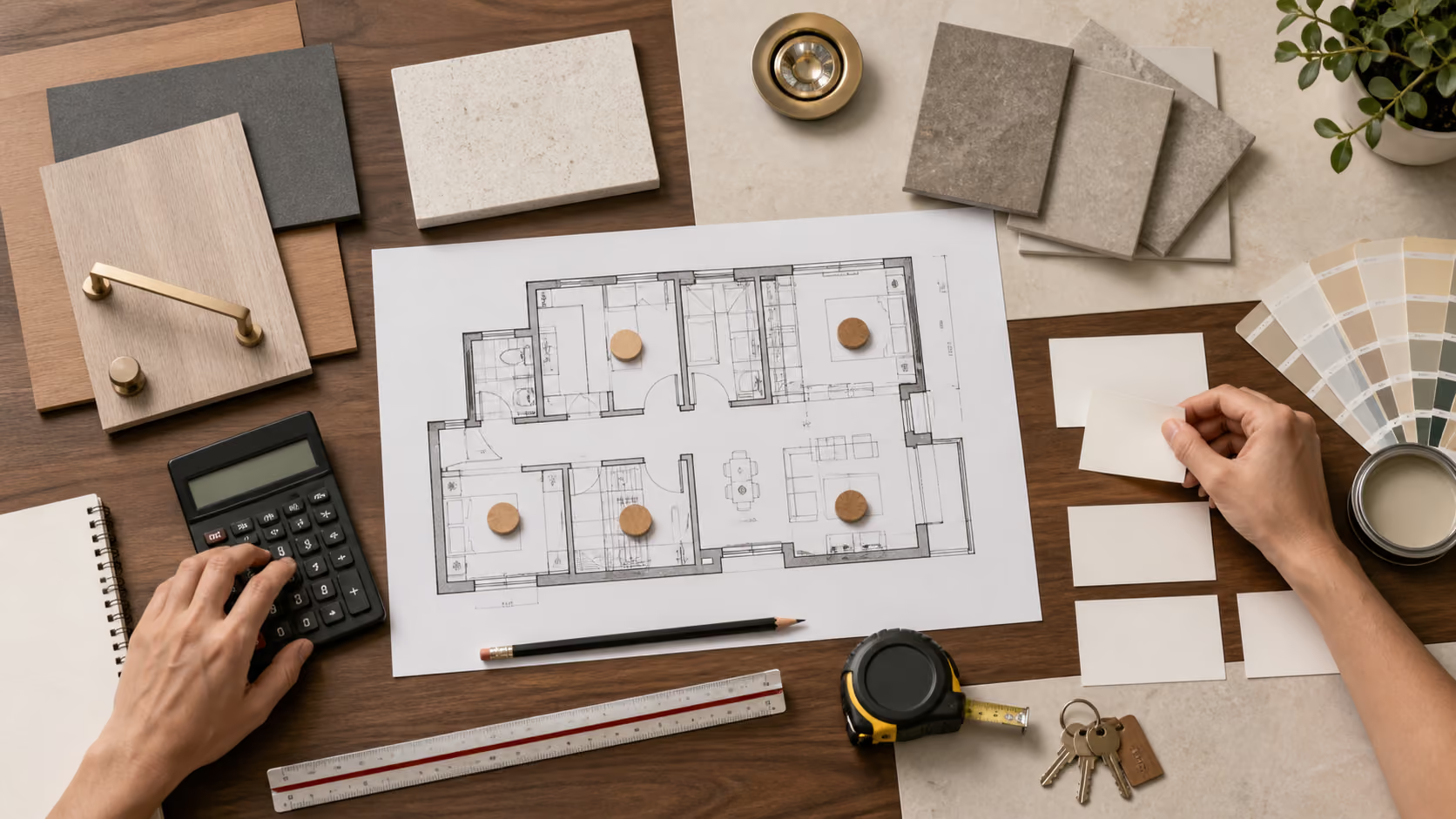
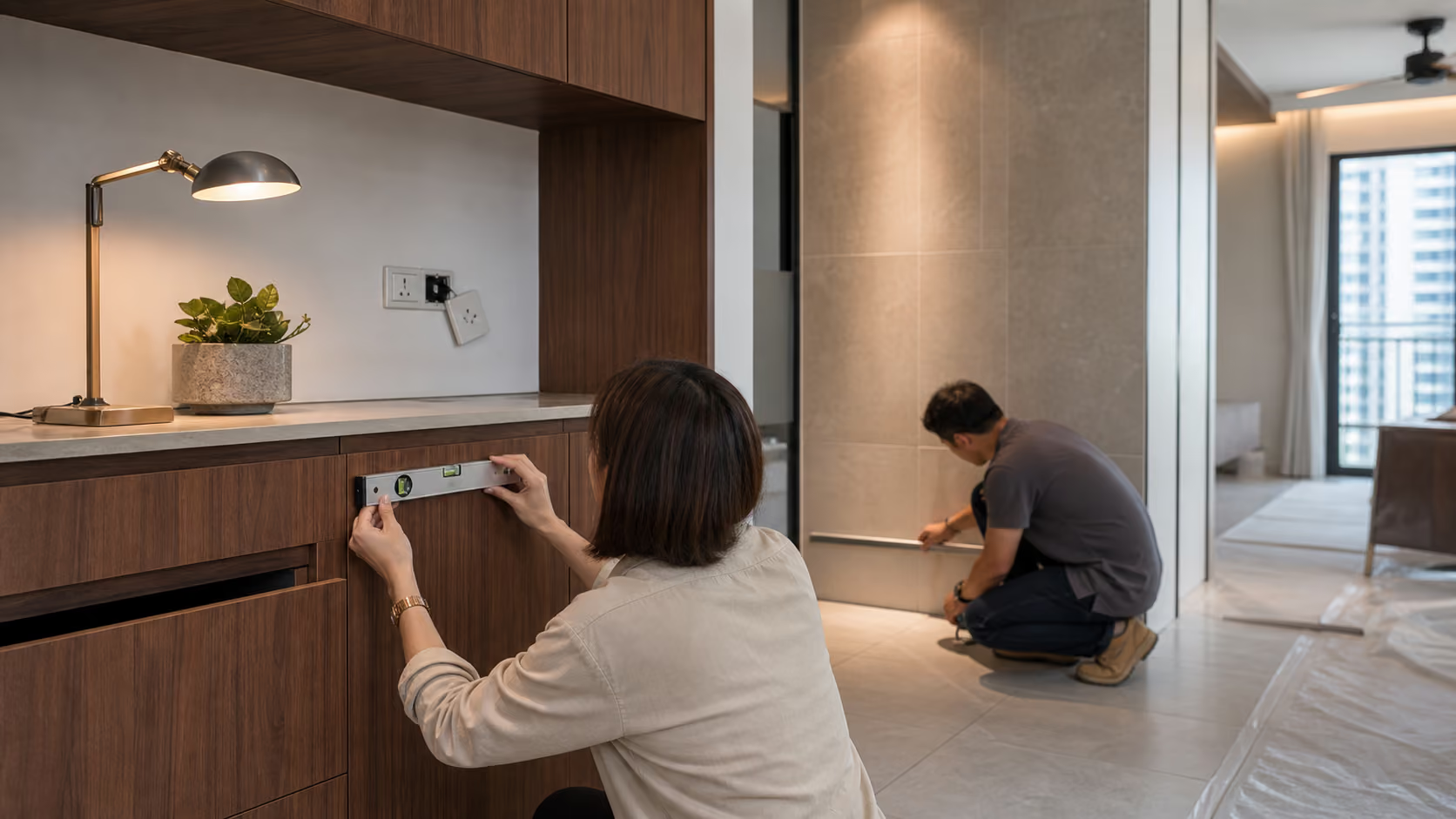
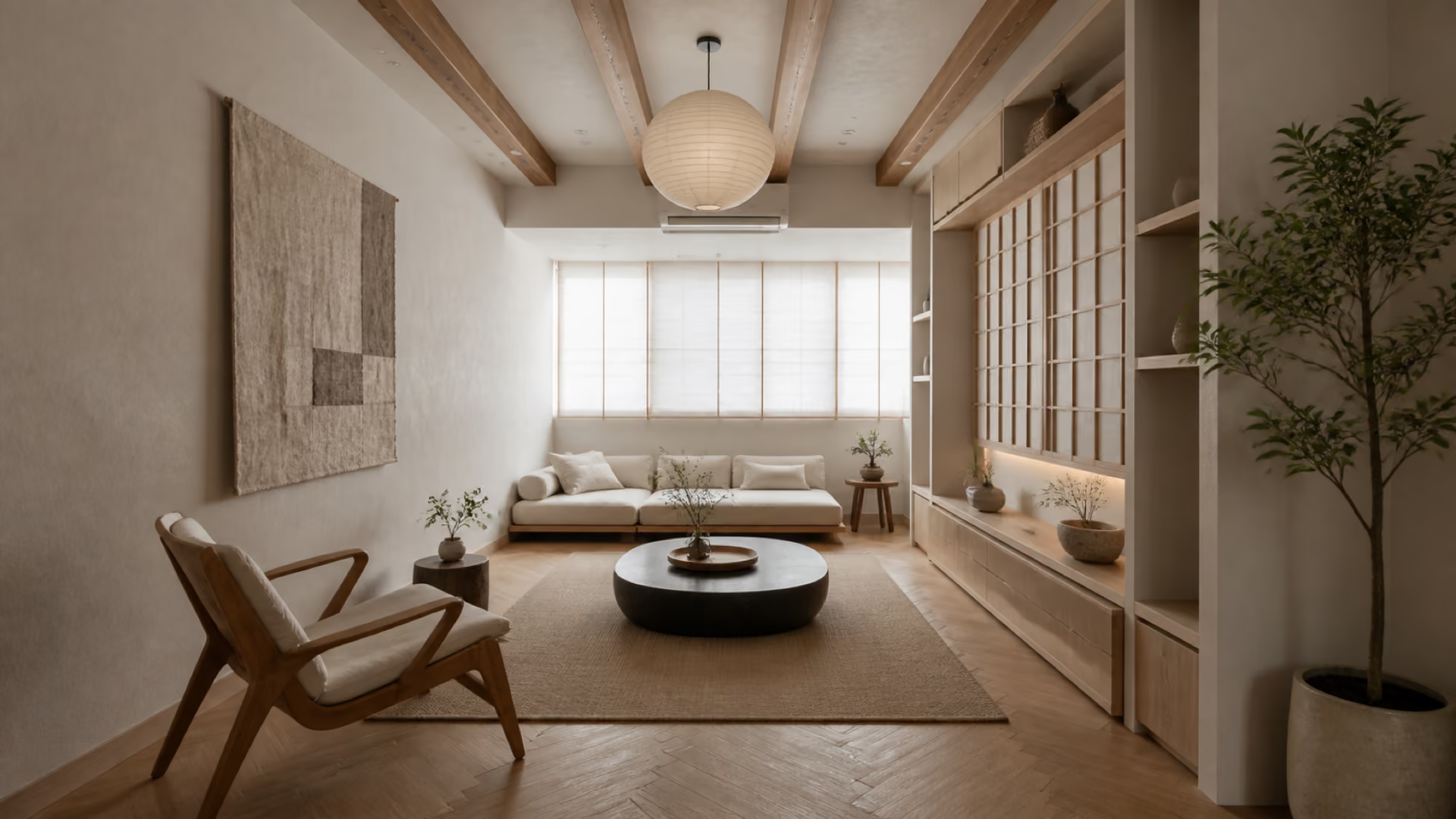
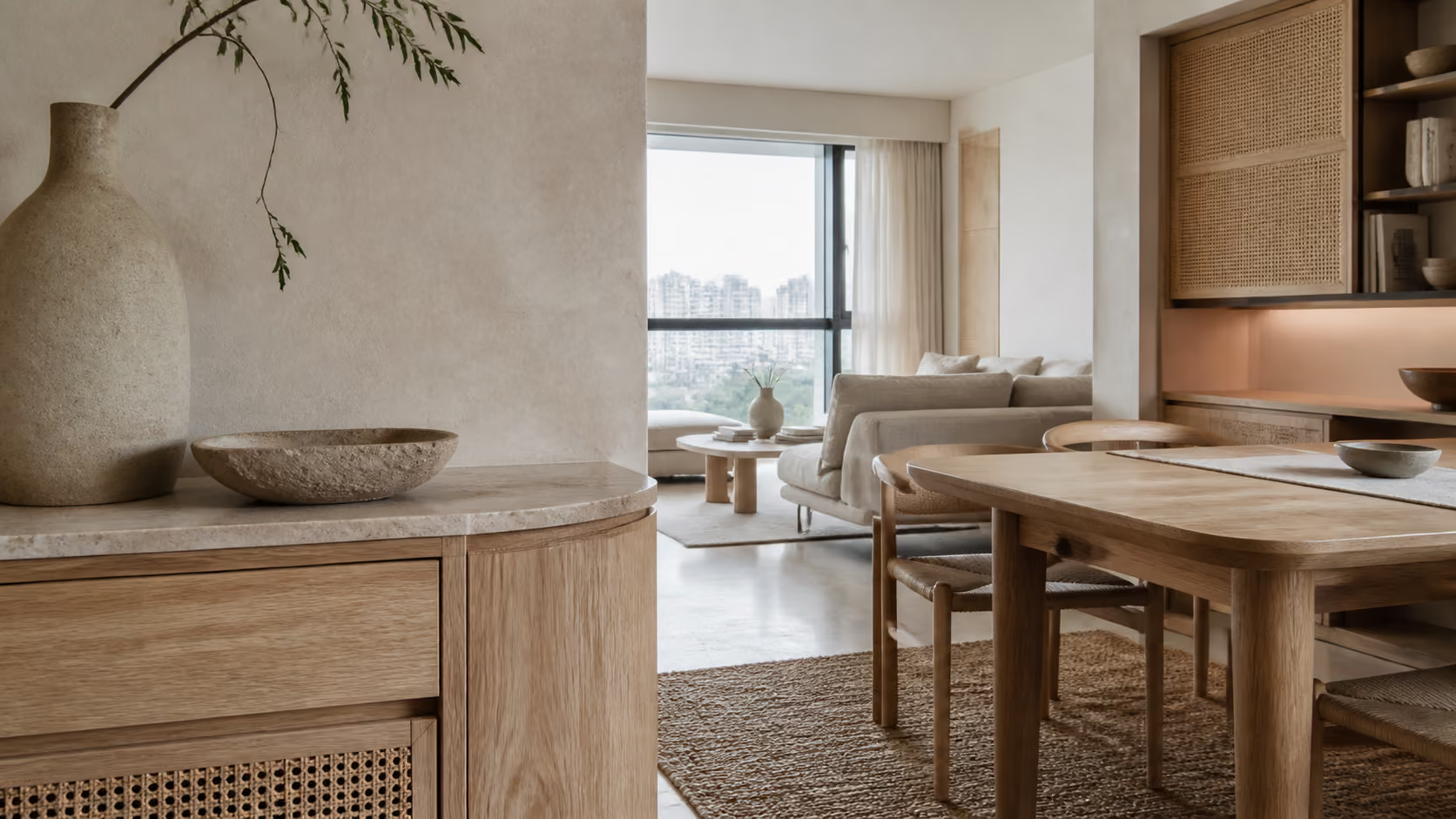
Property Type & Space Planning
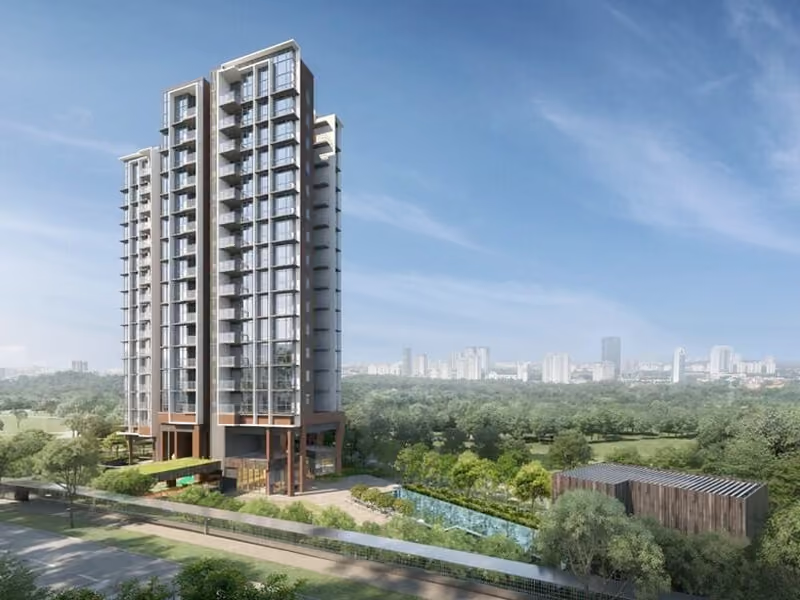
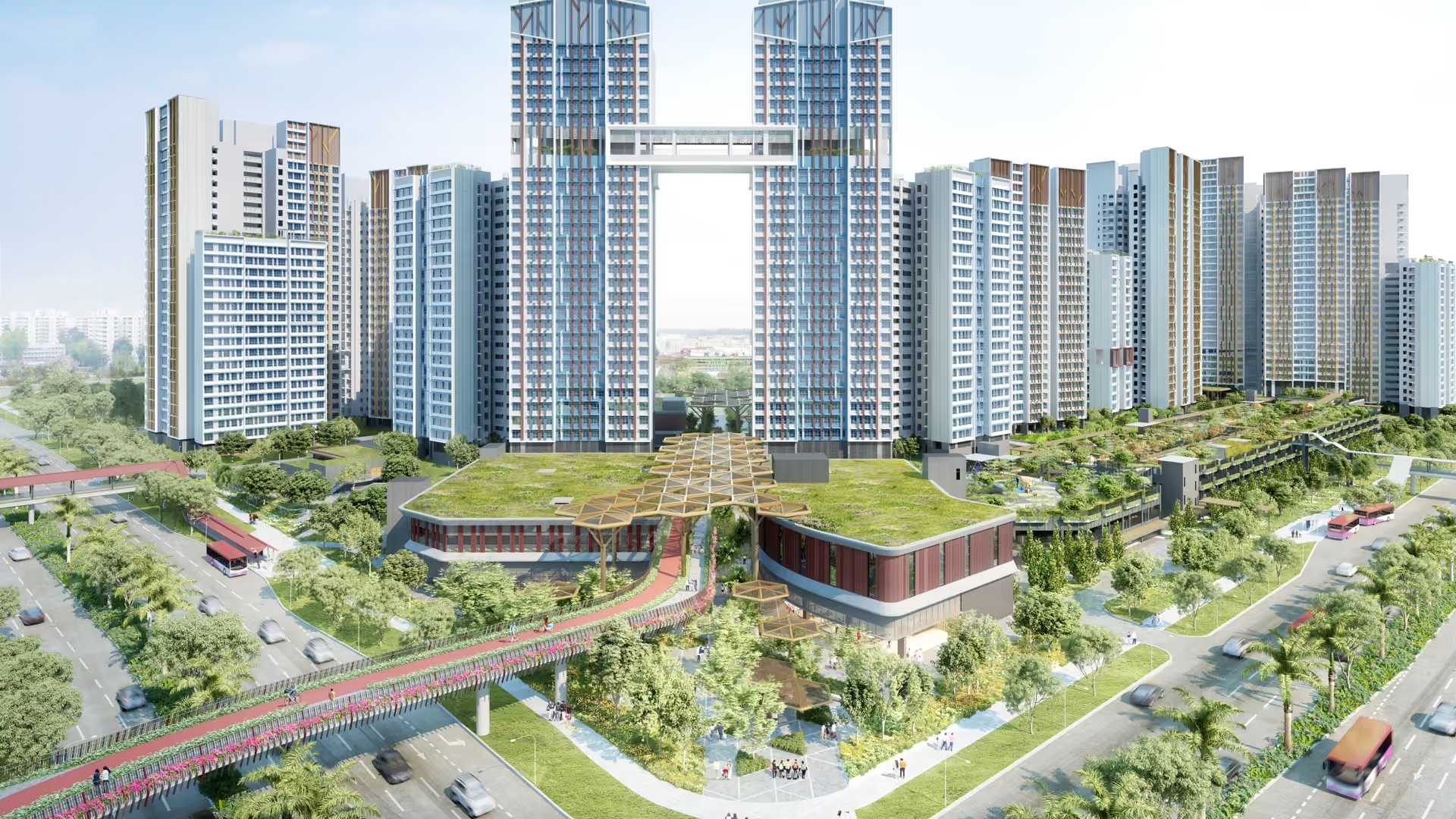
UrbanVille @ Woodlands Renovation

Most HDB renovations in Singapore cost between S$30,000 and S$80,000, while premium renovations can exceed S$100,000. The final cost depends on the flat type, renovation scope, structural works, custom carpentry, material selections, and the quality of workmanship.
Most HDB renovations in Singapore cost between S$30,000 and S$80,000, while premium renovations can exceed S$100,000. The final cost depends on the flat type, renovation scope, structural works, custom carpentry, material selections, and the quality of workmanship.
A typical HDB renovation package may include demolition works, flooring, painting, electrical rewiring, lighting installation, plumbing works, kitchen cabinets, bathroom renovation, custom carpentry, ceiling works, doors, and project management. Always review the quotation carefully to understand exactly what is included and excluded.
Most HDB renovations take between 8 and 12 weeks, depending on the renovation scope, custom carpentry lead time, material availability, and whether structural or wet-area works are required. Larger or more complex projects may take longer.
Yes, certain renovation works require HDB approval, including wall hacking, structural alterations, waterproofing works, plumbing modifications, and some electrical works. Your renovation contractor or interior designer should manage the permit application before regulated works begin.
Renovating your HDB flat is one of the biggest investments you'll make after purchasing your home. Whether you've just collected the keys to a new BTO flat, bought a resale HDB, or are planning to refresh your existing home, understanding renovation costs is essential before making any major decisions.
One of the first questions homeowners ask is: "How much does it cost to renovate an HDB flat in Singapore?"
The answer isn't straightforward. Renovation costs can range from around S$25,000 for a basic renovation to well over S$120,000 for a fully customised luxury home. The final investment depends on numerous factors, including the condition of your property, renovation scope, custom carpentry, material selections, electrical and plumbing works, and the overall quality of workmanship.
It's also common to receive renovation quotations that differ by S$20,000 to S$50,000 for what appears to be the same project. While this can be confusing, the difference often lies in the materials used, construction methods, project management, warranties, and the overall standard of execution.
This comprehensive guide explains everything you need to know about HDB renovation costs in Singapore for 2026. We'll break down realistic renovation budgets, explain what drives pricing, help you compare quotations confidently, and share practical advice from experienced interior designers so you can make informed decisions before starting your renovation journey.
At Luxior Concept, we believe homeowners deserve honest advice before making one of the biggest investments in their home. Our goal isn't simply to create beautiful interiors — it's to design homes that balance aesthetics, functionality, craftsmanship and long-term value.
Planning your HDB renovation budget? Start with Luxior’s renovation cost calculator, then share your flat type, floor plan and priorities on WhatsApp for a more useful first estimate.
If you're looking for a quick overview, here's what you should know before planning your renovation.
Typical BTO Renovation Budget
Typical Resale HDB Renovation Budget
Typical Renovation Timeline
Recommended Contingency Budget
Always reserve 10–15% of your renovation budget for unexpected expenses or design changes.
💡 Financing note: Many homeowners fund part of their renovation with a bank renovation loan. It's worth comparing the latest rates and eligibility on an independent portal such as MoneySmart's renovation loan guide before committing.
Many homeowners assume that renovation costs are determined mainly by the size of their flat. While larger homes naturally require more materials and labour, floor area is only one of many factors that influence renovation pricing.
In reality, renovation costs are affected by several key variables that work together to determine the final investment.

One of the biggest differences in renovation cost comes from the condition of the property.
A newly completed BTO flat generally requires much less preparatory work because the electrical wiring, plumbing systems and structural finishes are still new. Homeowners often focus on improving functionality and aesthetics through custom carpentry, lighting, storage solutions and interior styling.
Common BTO renovation works include:
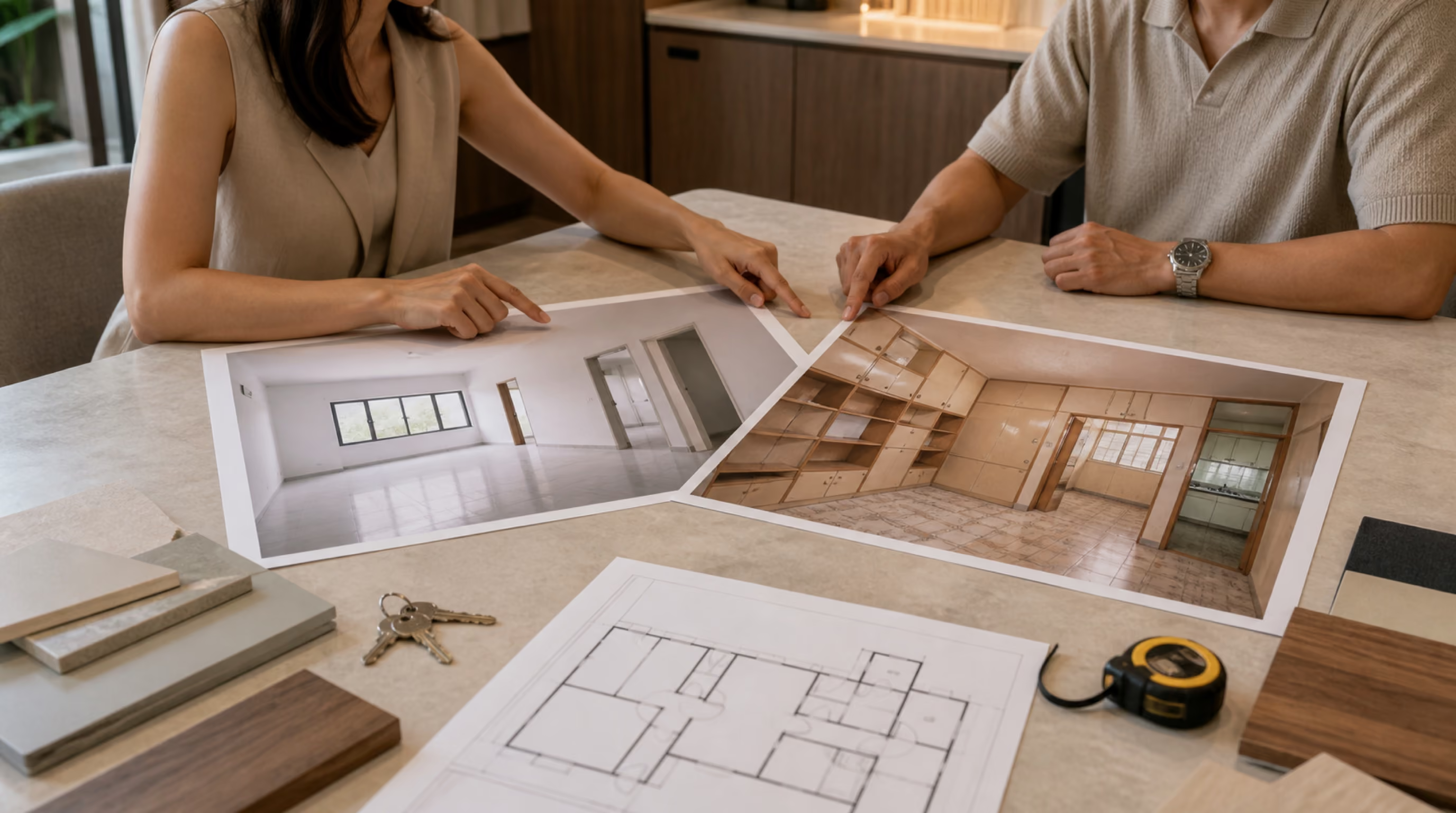
Resale HDB flats, on the other hand, often require significant upgrading before any new design work begins.
Additional works may include:
These additional works increase both labour and material costs, making resale renovations significantly more expensive than BTO projects.
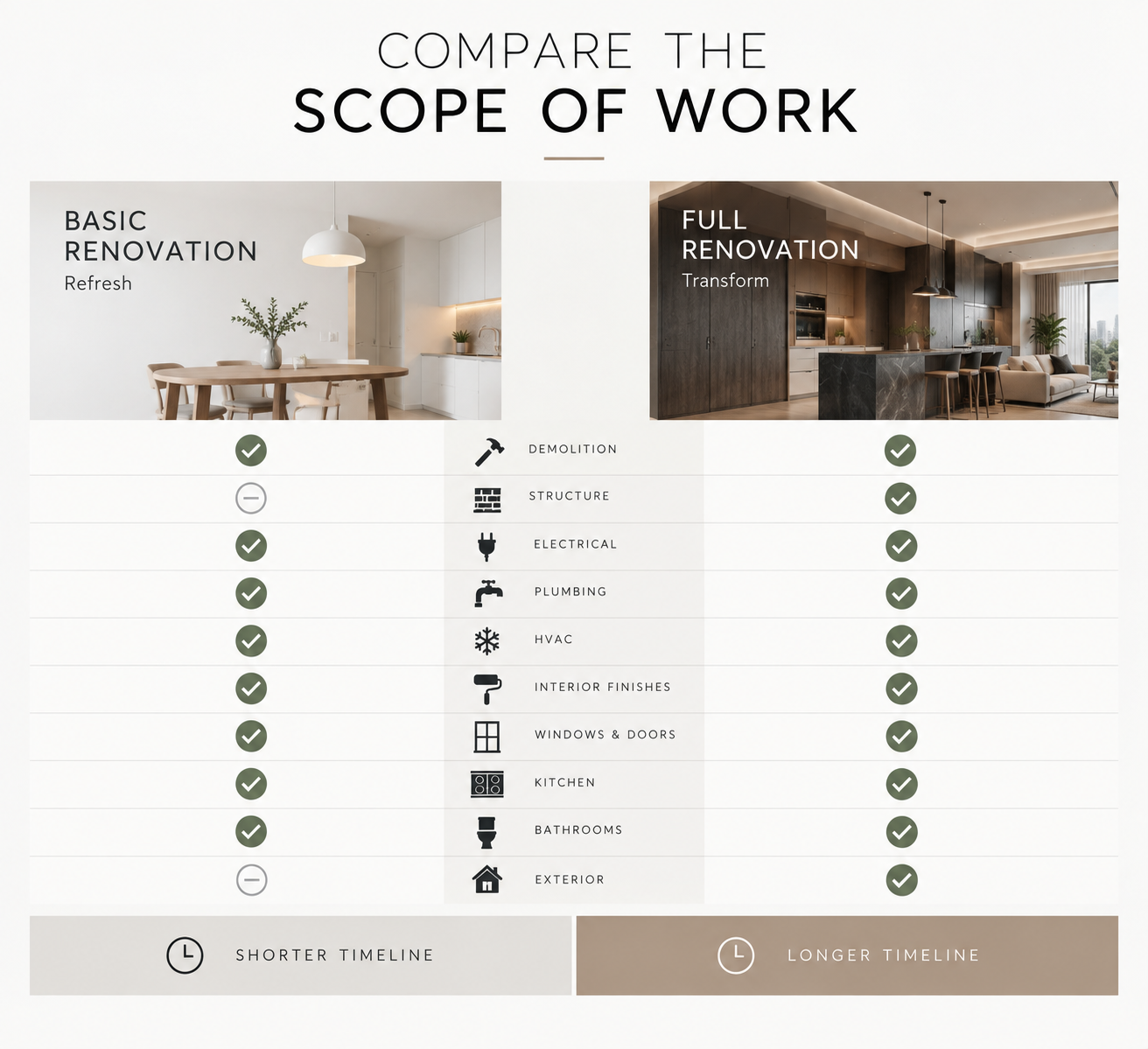
Another major factor is the amount of work involved. Not every homeowner renovates to the same extent. Some homeowners simply want a fresh coat of paint and new flooring. Others completely redesign their home with customised carpentry throughout every room.
Generally speaking, renovations can be grouped into four categories.
Basic Renovation — suitable for homeowners looking to refresh their existing home. Typical works include painting, vinyl flooring, lighting replacement, minor carpentry and basic storage.
Standard Renovation — suitable for most BTO homeowners. Usually includes kitchen renovation, bathroom upgrades, built-in wardrobes, flooring, electrical works, a feature wall, false ceiling and painting.
Premium Renovation — designed for homeowners seeking greater customisation. Often includes full custom carpentry, premium materials, designer lighting, glass partitions, curved carpentry, a luxury kitchen, walk-in wardrobe and smart storage solutions.
Luxury Renovation — typically exceeds S$100,000. Includes full home redesign, bespoke furniture, premium imported materials, smart home integration, designer finishes, high-end lighting, custom fabrication and architectural detailing.
Custom carpentry is often the largest investment in an HDB renovation. Unlike ready-made furniture, built-in carpentry is designed specifically for your home's layout, allowing homeowners to maximise storage while maintaining a seamless appearance.
Examples include kitchen cabinets, bedroom wardrobes, shoe cabinets, TV consoles, study desks, display shelves, household shelter storage, window seating and walk-in wardrobes.
The overall cost depends on several factors, including cabinet size, material selection, laminate finish, internal shelving, soft-closing hardware, lighting integration, glass doors and curved detailing.
Although custom carpentry requires a larger upfront investment, it often provides better functionality, storage efficiency and long-term durability compared to modular furniture.
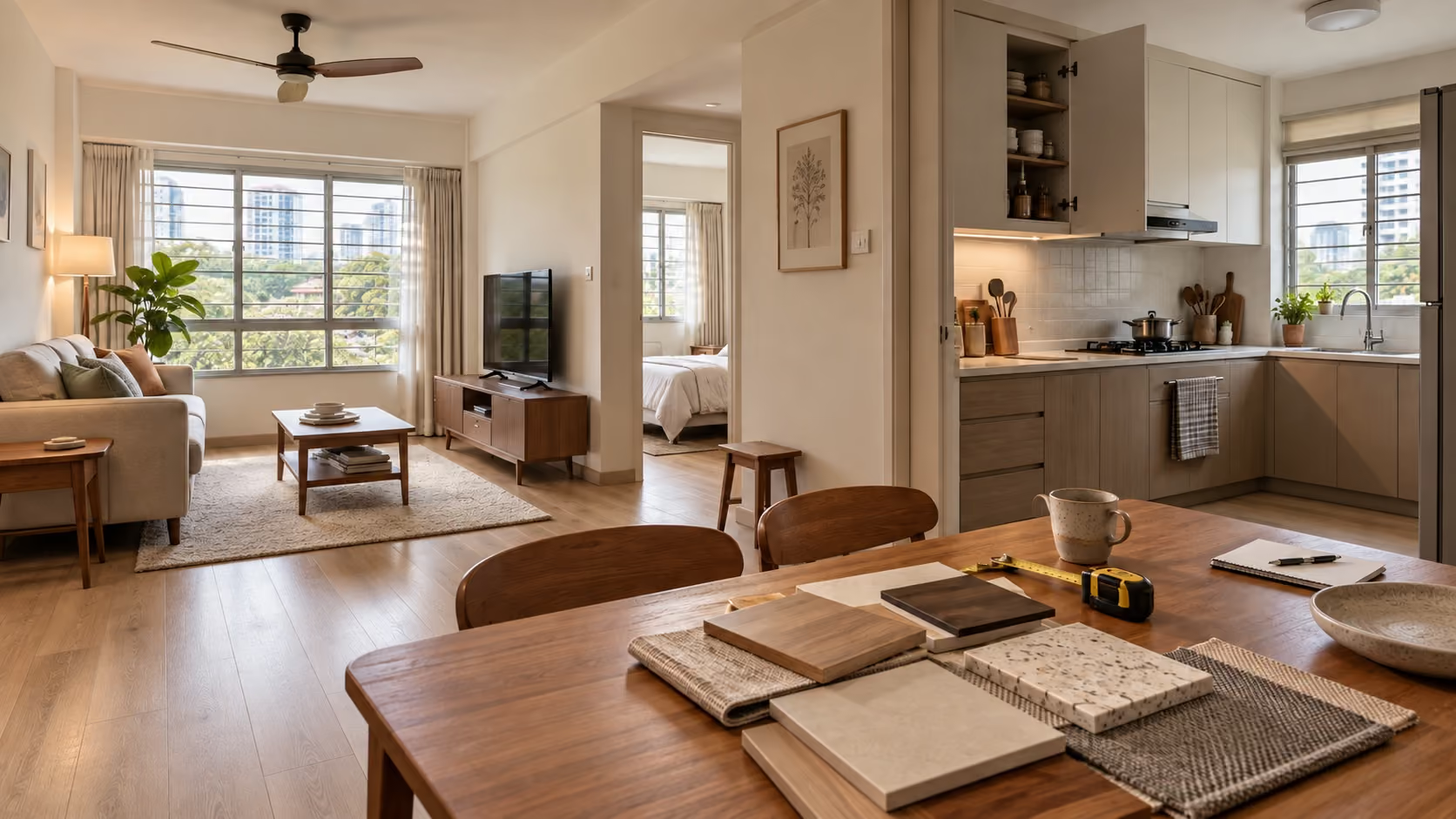
Material choices have a significant impact on renovation costs. Two kitchens may look almost identical in photographs but differ substantially in price depending on the materials selected.
Examples include:
Premium materials generally offer better durability, easier maintenance, longer lifespan, higher scratch resistance, better moisture resistance and improved visual quality.
At Luxior Concept, we recommend investing in premium materials where it matters most — high-use areas such as kitchens, bathrooms and work surfaces — rather than spreading a premium budget thinly across the entire home where durability is less critical.
Simple interiors are generally more affordable to construct than highly customised designs. Features that increase construction costs include curved carpentry, concealed doors, floating cabinets, shadow gaps, fluted wall panels, feature ceilings, integrated lighting, and glass and metal detailing.
While these elements create a premium appearance, they also require more fabrication time, specialised workmanship and careful installation.
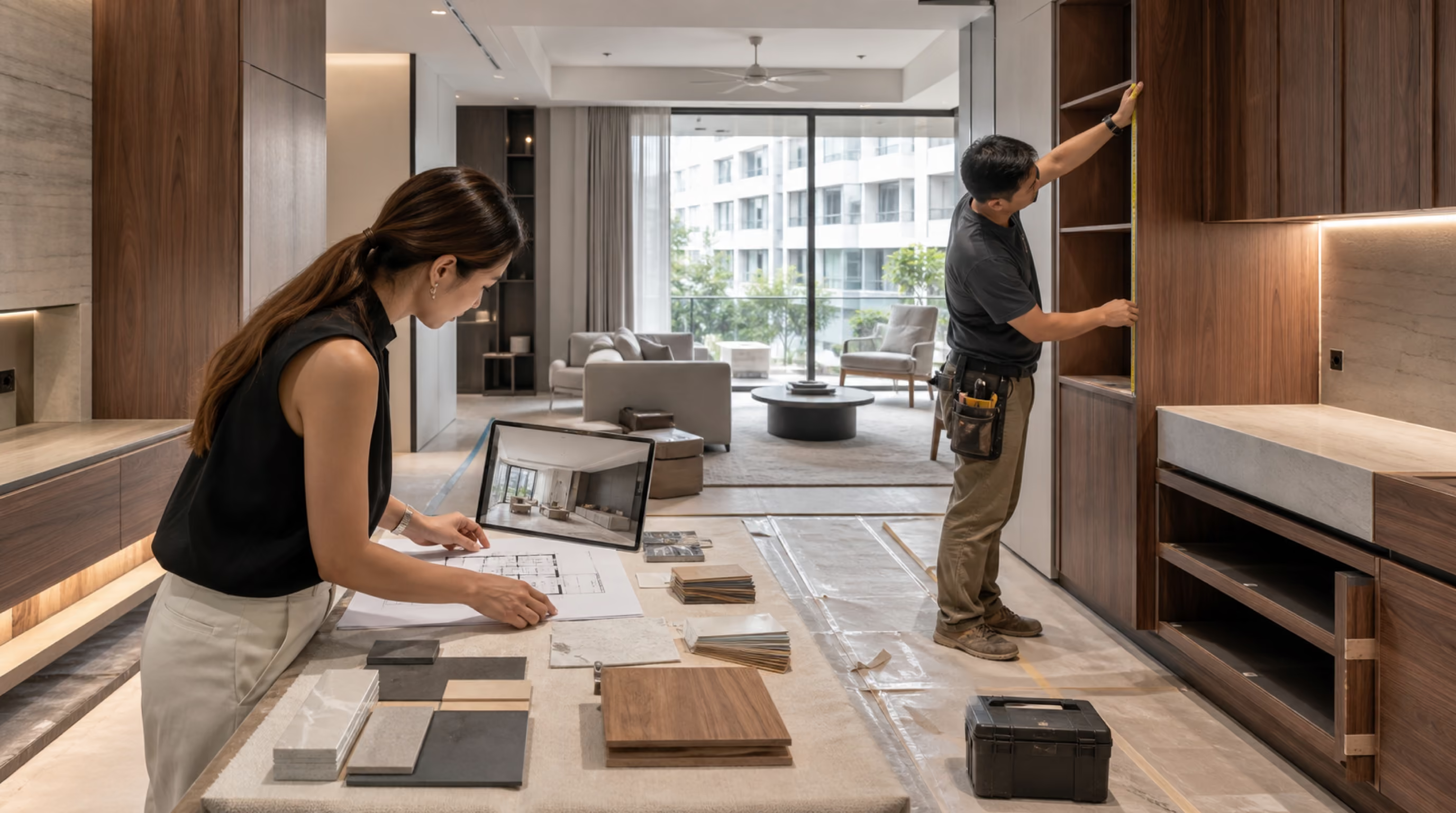
A renovation quotation covers much more than materials and labour. Professional project management includes site measurements, design development, space planning, technical drawings, material coordination, scheduling multiple trades, site supervision, quality inspections, defect rectification and final handover.
Good project management reduces costly mistakes, keeps the renovation on schedule and ensures every part of the project is completed to a high standard. Choosing the lowest quotation may save money initially, but experienced project management often delivers better long-term value through smoother execution and higher-quality workmanship.
✅ Expert Tip: Rather than asking "What's the cheapest renovation I can get?", ask "Which parts of my home will improve my family's everyday lifestyle the most?" Prioritising a functional kitchen, practical storage, quality flooring and durable materials will usually provide greater long-term value than spending heavily on decorative features that offer little day-to-day benefit.
Knowing where your renovation budget goes allows you to plan more effectively. While every home is unique, certain areas consistently account for the largest portion of renovation costs due to the combination of materials, labour and specialised workmanship required.
Understanding the typical investment for each room will help you decide where to prioritise your budget without compromising functionality or long-term value.
The kitchen is usually the most expensive area of an HDB renovation. It combines multiple trades including carpentry, plumbing, electrical works, tiling and countertop installation. A typical HDB kitchen renovation costs approximately S$10,000 to S$30,000 or more, depending on the design and materials selected.
A kitchen renovation may include custom kitchen cabinets, tall pantry units, quartz or sintered stone countertops, backsplash installation, sink and mixer tap, plumbing works, electrical rewiring, additional power points, cooker hood installation, lighting and soft-closing hardware.
Several factors can increase the overall cost, including premium worktop materials, imported hardware, integrated appliances and customised storage solutions.
At Luxior Concept, we recommend focusing on functionality before aesthetics. A well-planned kitchen layout with efficient workflow and practical storage will provide greater long-term value than adding unnecessary decorative features.
Bathrooms require specialist workmanship because they involve waterproofing, plumbing, tiling and sanitary installations. Most HDB bathroom renovations cost between S$6,000 and S$15,000 per bathroom, depending on the scope of work.
Typical bathroom renovation works include demolition, waterproofing, wall and floor tiling, vanity cabinet, basin, WC installation, shower fittings, glass shower screen, mirror, ceiling works, exhaust fan and plumbing modifications.
Many homeowners underestimate the importance of waterproofing. While it isn't visible after completion, proper waterproofing is one of the most important investments in any bathroom renovation. Attempting to reduce costs in this area can lead to expensive repairs later. HDB also sets specific rules for certain renovation works, so it's worth reviewing the official important information on renovations before you begin.
The living room is where families spend most of their time together, making it one of the most important spaces in the home. Typical renovation costs range from S$5,000 to S$25,000, depending on design complexity.
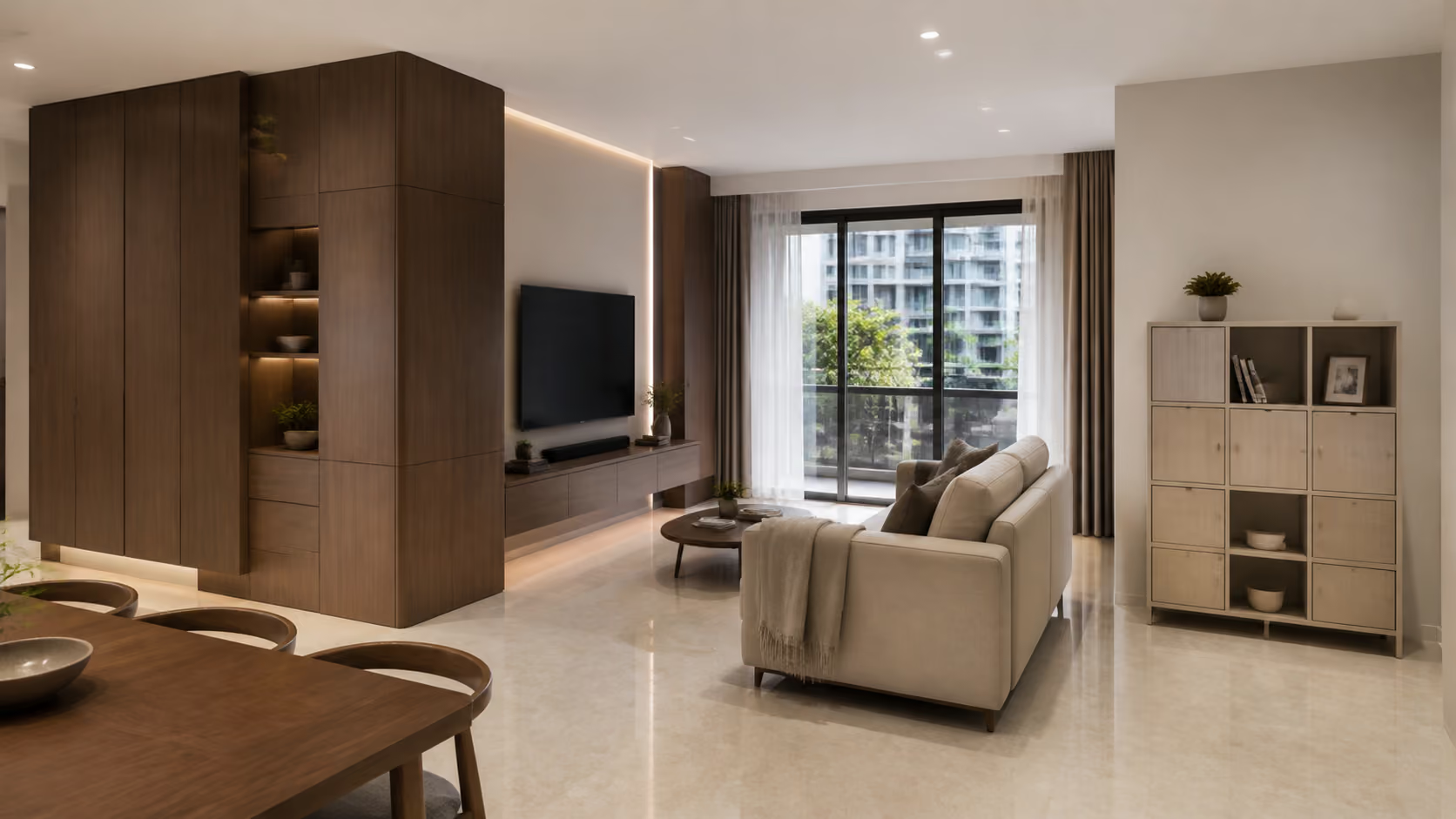
Common living room renovation works include flooring, a TV feature wall, built-in TV console, false ceiling, cove lighting, painting, air-conditioning installation, electrical points, display shelving and feature panels.
Rather than building an elaborate feature wall, consider investing in practical storage solutions that keep the space uncluttered while maintaining a clean, modern appearance.
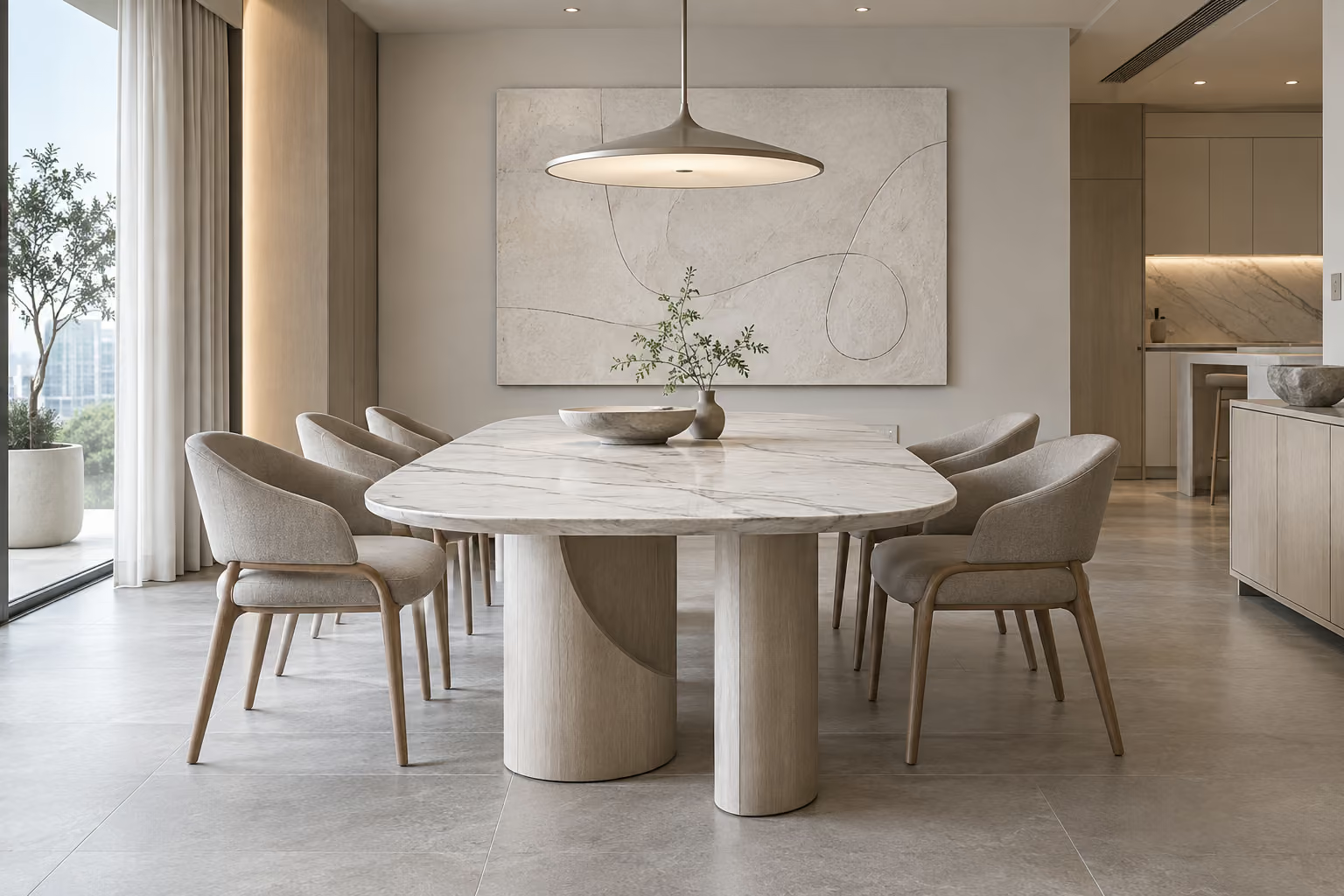
Although the dining area is often overlooked during budgeting, thoughtful space planning can significantly improve the overall flow of the home. Typical costs range from S$2,000 to S$8,000.
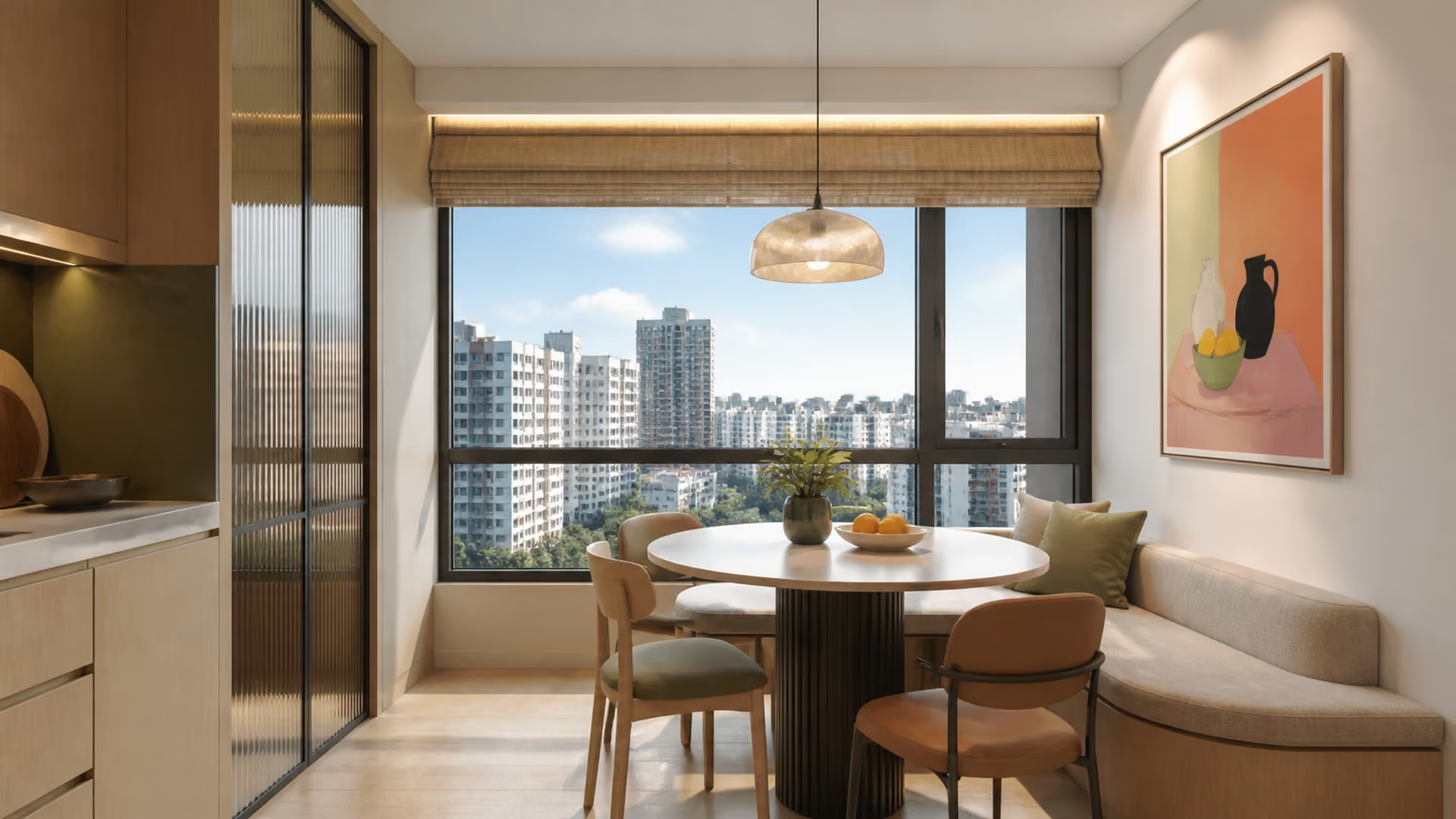
Common additions include feature lighting, a built-in dining bench, display cabinets, wine storage, decorative wall panels and floating shelves. For compact HDB homes, integrated dining storage can maximise functionality without sacrificing valuable floor space.
Bedroom renovation costs vary according to the amount of built-in carpentry required. A typical bedroom renovation ranges between S$3,000 and S$15,000 per room.
Popular additions include built-in wardrobes, study desks, floating shelves, headboard feature walls, bedside cabinetry, dressing tables, lighting, and curtains and blinds.
Instead of maximising every wall with built-in cabinets, focus on creating storage that matches your daily lifestyle. Well-designed wardrobes are often more valuable than simply increasing cabinet size.
With more homeowners working from home, dedicated study spaces have become increasingly popular. Typical study renovations cost between S$2,500 and S$10,000.
Common features include a custom study desk, bookshelves, storage cabinets, display shelving, cable management, additional power points and task lighting. A well-designed study should prioritise comfort, ergonomics and productivity rather than simply adding more cabinetry.
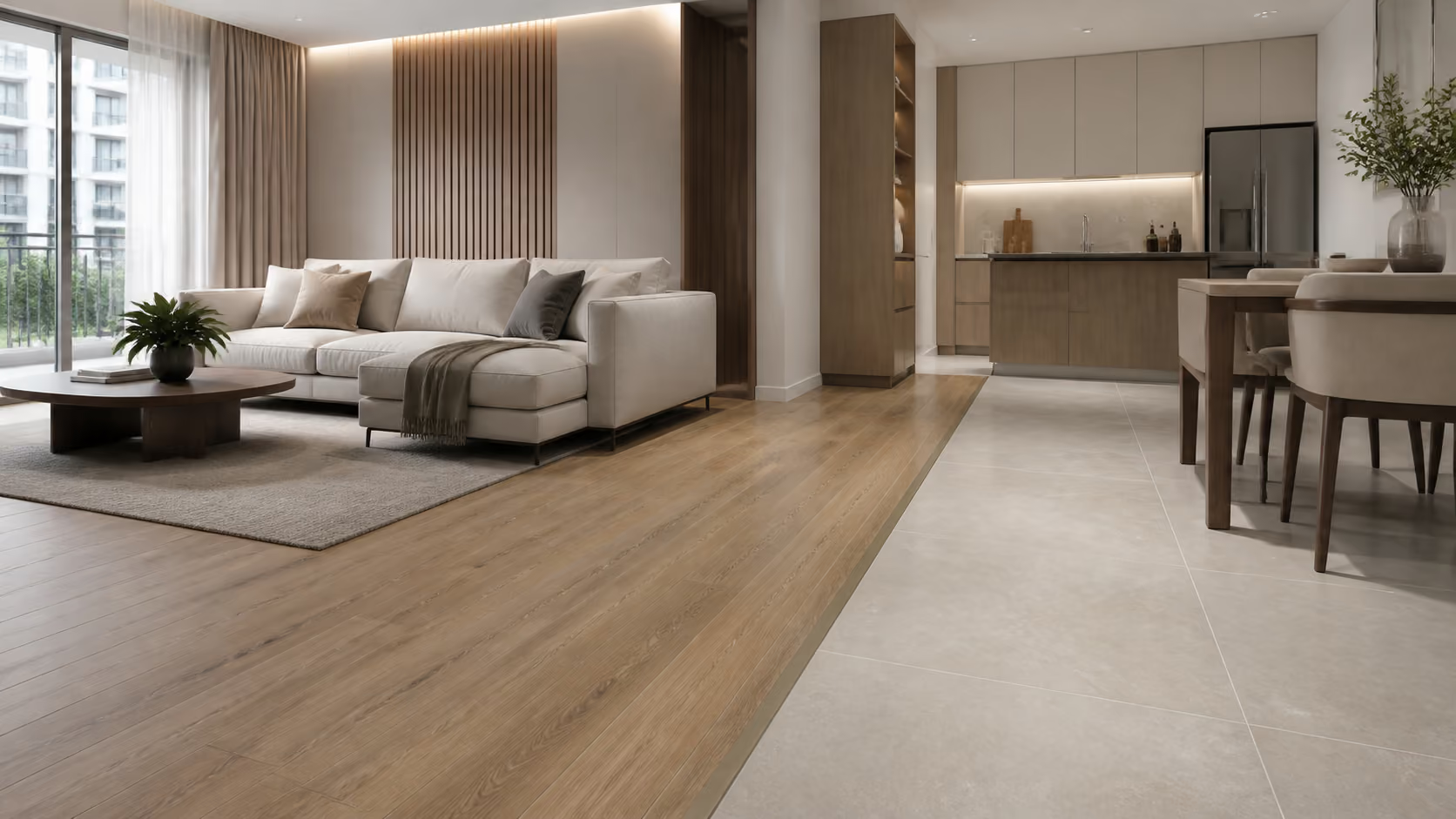
Flooring has a major impact on both the appearance and durability of your home. Typical flooring costs range from S$4,000 to S$15,000 or more, depending on the material selected.
Popular flooring options include:
Rather than choosing flooring based solely on price, consider maintenance requirements, durability and long-term performance.
Electrical planning is one of the most overlooked aspects of renovation. Costs typically depend on new power points, lighting points, smart switches, data points, USB sockets, distribution board upgrades and concealed wiring.
Poor electrical planning often leads to extension cords and visible cables after moving in. Spend time planning where you'll use appliances, charge devices and place furniture before construction begins.
Plumbing costs depend largely on whether existing pipe locations remain unchanged. Typical plumbing works include kitchen sink installation, basin installation, toilet replacement, shower mixer installation, washing machine points and water heater installation.
Keeping plumbing points in their existing locations usually helps reduce renovation costs significantly.
Custom carpentry usually represents the largest single investment in an HDB renovation. Depending on the amount of built-in furniture, homeowners may spend anywhere between S$10,000 and S$50,000 or more on carpentry alone.
Typical built-in carpentry includes kitchen cabinets, bedroom wardrobes, TV consoles, shoe cabinets, household shelter storage, study desks, display cabinets, bay window seating and walk-in wardrobes.
The final price depends on cabinet dimensions, laminate selection, internal shelving, premium hardware, glass doors, curved details and lighting integration. Quality carpentry is an investment that improves storage, organisation and the overall usability of your home for many years. Explore ideas in our custom carpentry guide.
Once you know the overall range, allocate it room by room. Compare our HDB BTO Interior Design and HDB Resale Interior Design approaches, then explore the Kitchen, Bathroom and Custom Carpentry ideas that usually shape the largest parts of the budget.
Every homeowner has a different budget. Understanding what each budget can realistically achieve helps set practical expectations.
Around S$30,000 — suitable for small BTO flats and basic renovation with limited carpentry, painting, vinyl flooring and simple kitchen upgrades. This budget focuses on essential improvements rather than complete customisation.
Around S$50,000 — suitable for most 3-room and 4-room BTO flats. Covers a full kitchen renovation, bedroom wardrobes, flooring, lighting, electrical works, a feature wall and moderate custom carpentry. This is often the sweet spot for homeowners seeking a balance between quality and affordability.
Around S$80,000 — suitable for larger BTO flats and resale HDB renovations. Allows premium materials, extensive carpentry, luxury bathrooms, designer lighting and feature ceilings, giving significantly greater flexibility in both design and material selection.
S$100,000 and above — suitable for executive apartments, maisonettes and luxury renovations. Covers a complete redesign, bespoke carpentry, smart home integration, premium imported finishes and designer detailing. At this level, the focus shifts from simply renovating a home to creating a fully customised living environment tailored to the homeowner's lifestyle.
✅ Expert Tip: When planning your renovation budget, invest first in elements that are difficult or expensive to replace later — kitchen cabinetry, bathroom waterproofing, electrical works, plumbing, flooring and built-in storage. Decorative items such as loose furniture, artwork and accessories can always be upgraded over time, but quality workmanship in the fundamentals will continue adding value long after the renovation is complete.
Many homeowners plan their renovation budget around the quotation they receive from their interior designer. However, the quotation often doesn't include every expense required before moving into your new home. Setting aside a contingency fund of 10–15% can help prevent unexpected costs from disrupting your renovation.
Some commonly overlooked expenses include:
At Luxior Concept, we recommend discussing these additional costs early in the planning stage so homeowners have a realistic understanding of their total investment before works begin.
Receiving multiple quotations is common, but comparing them purely based on price can be misleading. Instead, compare each quotation carefully across the following areas.

Ensure every quotation includes the same renovation items — flooring, painting, electrical works, plumbing, carpentry, ceiling works, demolition and disposal. One quotation may appear cheaper simply because important works have been excluded.
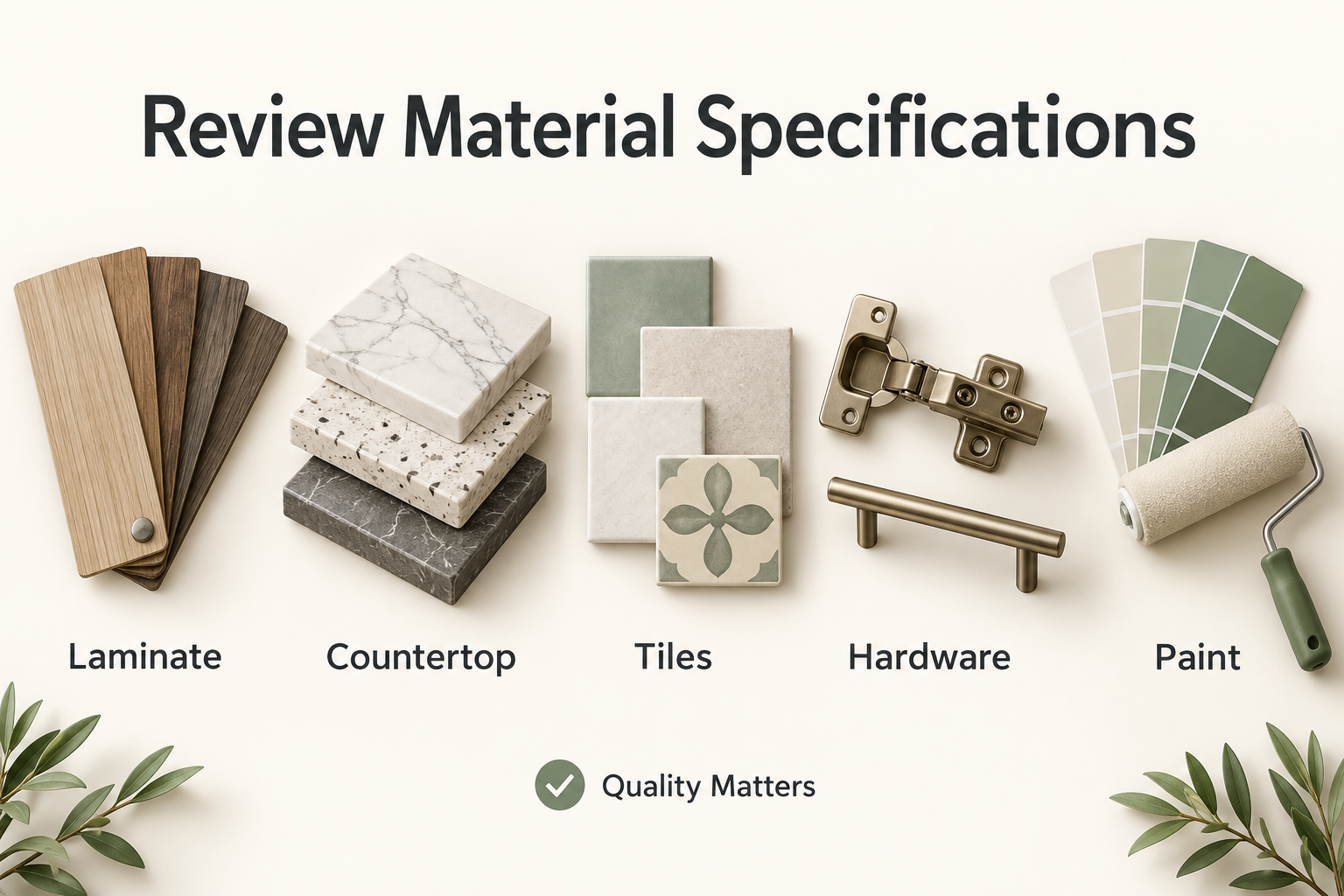
Always check the laminate brand, countertop material, tile allowance, hardware brand, sanitary fittings and paint specification. Premium materials generally provide better durability and easier maintenance over time.
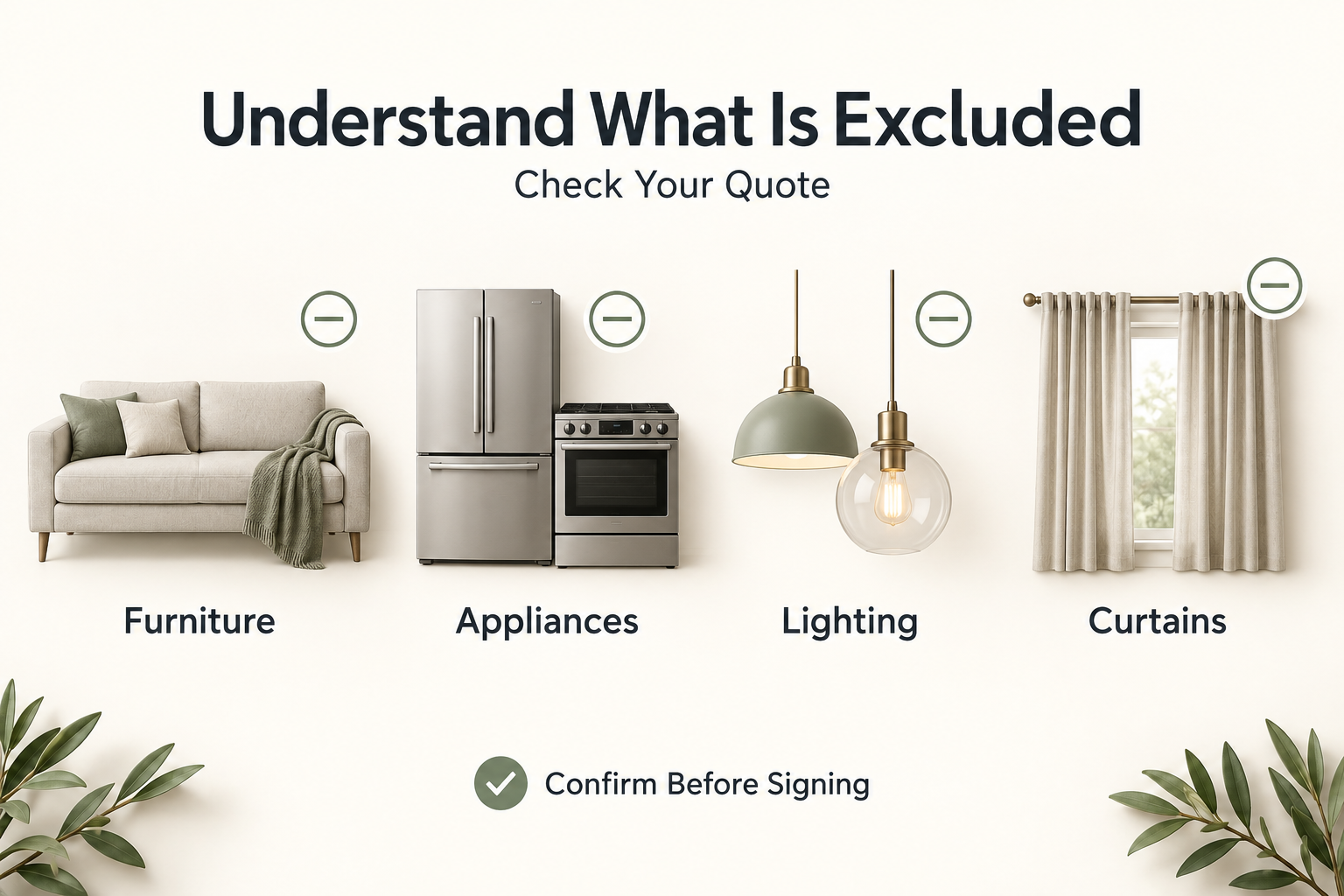
Ask whether the quotation excludes appliances, air-conditioning, curtains, lighting fixtures, loose furniture and smart home systems. Clarifying exclusions early helps prevent unexpected variation orders during construction.
Price is important, but so is peace of mind. Ask how long the workmanship warranty lasts, what happens if defects appear after handover, and how warranty claims are handled. It's also worth confirming that your renovation firm engages a BCA-registered renovation contractor for the works. A professional renovation company should have a clear after-sales process.
💡 Tip: Ask to see the firm's completed project portfolio and read verified homeowner reviews before you commit. A track record of similar HDB projects tells you far more about real workmanship and communication than the quotation alone.

Over the years, we've found that homeowners who plan carefully usually enjoy a smoother renovation experience. Here are our recommendations.
Prioritise functionality. Beautiful homes should also be practical. Invest first in kitchen functionality, bathroom quality, storage, lighting and durable flooring. Decorative features can always be added later.
Separate renovation from furniture. Many homeowners accidentally mix these budgets together. Keep separate budgets for renovation, appliances, furniture, curtains and decorations. Doing so makes it much easier to control spending.
Keep plumbing where possible. Moving plumbing points often increases labour costs. If the existing layout already works well, keeping sinks and toilets in their current positions can reduce renovation costs significantly.
Invest in good carpentry. Custom carpentry is one of the most valuable long-term investments in an HDB home. Well-designed storage improves daily living far more than decorative features.
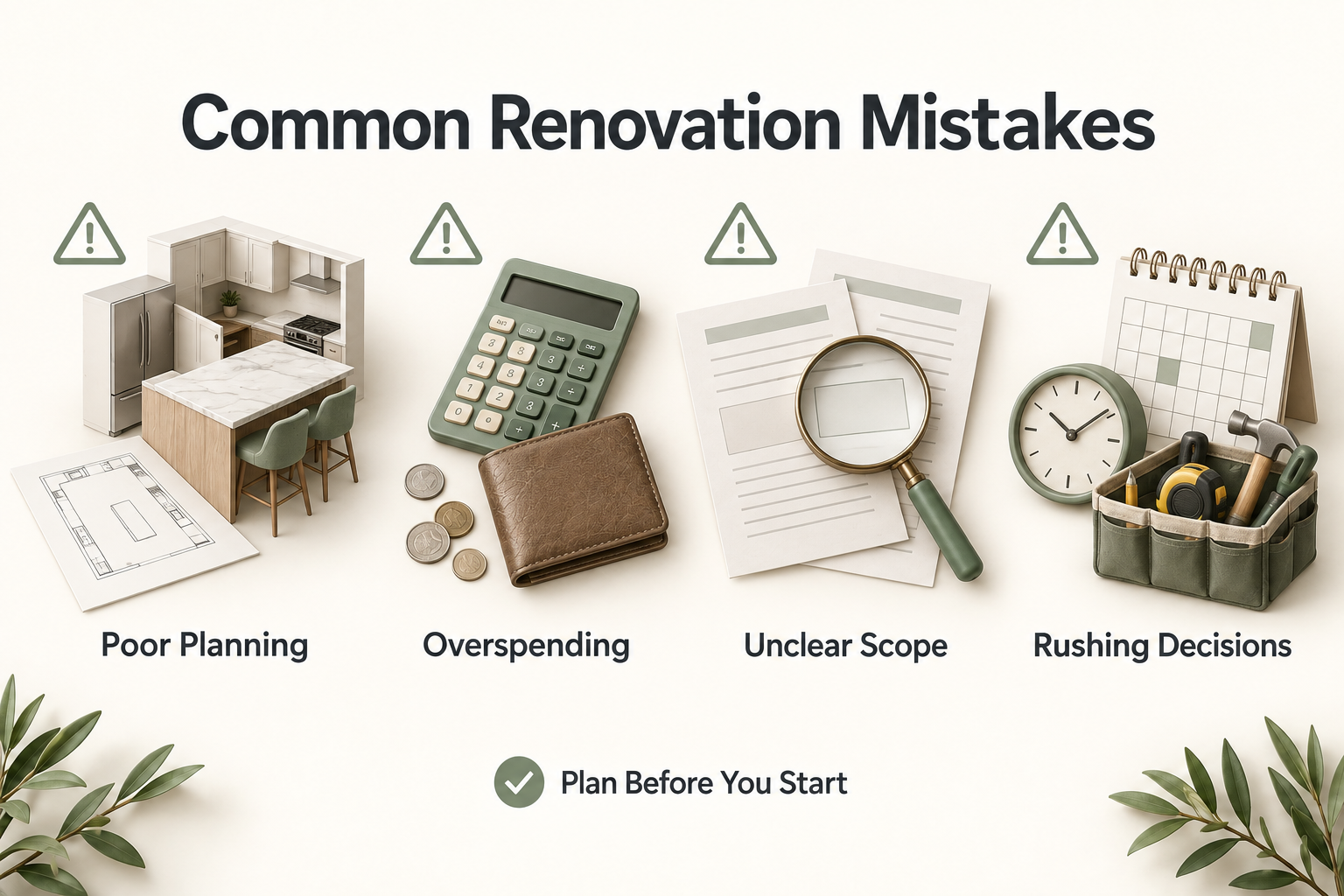
Plan everything before renovation starts. Late design changes often lead to delays, variation orders, additional labour and material wastage. Confirm your design before construction begins.

Avoid these common mistakes that can lead to unnecessary costs.
Choosing the cheapest quotation. The cheapest quotation isn't always the best value. Always compare scope, materials, warranty, experience and workmanship.
Underestimating storage requirements. Storage is one of the biggest priorities in Singapore homes. Plan enough storage for shoes, cleaning equipment, the household shelter, seasonal items and children's belongings.
Ignoring lighting design. Lighting changes how a home feels — it improves comfort, functionality and ambience. Rather than relying on one ceiling light, layer your lighting with ambient, task and accent lighting.
Forgetting about maintenance. Some finishes look beautiful but require more upkeep. Before choosing materials, consider scratch resistance, water resistance, cleaning requirements and durability.
Renovating an HDB home is one of the biggest investments you'll make, but careful planning helps ensure every dollar is spent wisely. Rather than focusing solely on the lowest quotation, consider the quality of workmanship, material selection, design expertise and long-term durability of your renovation.
A well-designed home should not only look beautiful on completion — it should continue supporting your family's lifestyle for many years to come.
If you're still exploring ideas, browse Luxior.com.sg to see completed homes across different property types and design styles.
Every home is unique, and every renovation should be tailored to your lifestyle, budget and long-term needs. Whether you're renovating a new BTO flat or transforming an older resale HDB, the team at Luxior Concept is here to guide you through every step of the journey.
Book a complimentary consultation today and discover how we can help you create a home that's built Beyond Standards.
Book a Free Consultation 👉 or use our calculator to see the cost of your reno.
For a rough starting point: BTO renovations typically run S$35,000–S$55,000 for a 3-room, S$45,000–S$70,000 for a 4-room, and S$55,000–S$85,000 for a 5-room flat. Resale renovations run higher — S$45,000–S$70,000, S$55,000–S$85,000, and S$70,000–S$100,000+ respectively — because of the extra preparatory work older flats need. Basic renovations typically take 6 to 8 weeks, standard 8 to 10 weeks, and full renovations 10 to 12 weeks. WhaFor a rough starting point: BTO renovations typically run S$35,000–S$55,000 for a 3-room, S$45,000–S$70,000 for a 4-room, and S$55,000–S$85,000 for a 5-room flat. Resale renovations run higher — S$45,000–S$70,000, S$55,000–S$85,000, and S$70,000–S$100,000+ respectively — because of the extra preparatory work older flats need. Basic renovations typically take 6 to 8 weeks, standard 8 to 10 weeks, and full renovations 10 to 12 weeks. Whatever your budget, set aside 10 to 15 percent as contingency for unexpected costs or design changes along the way. For a tailored starting range, use Luxior’s renovation cost calculator before requesting quotations.tever your budget, set aside 10 to 15 percent as contingency for unexpected costs or design changes along the way.



.avif)