Property Type & Space Planning
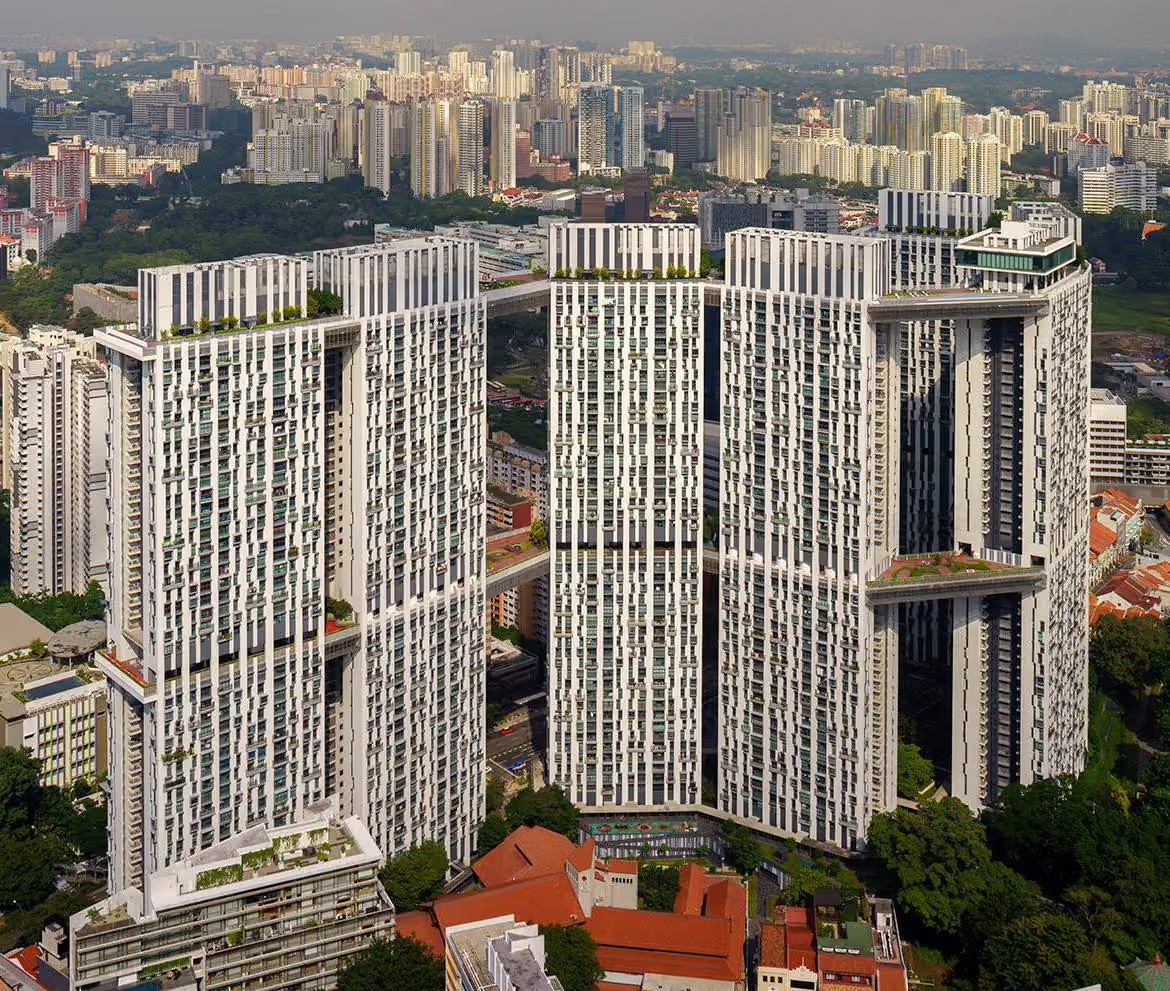
UrbanVille @ Woodlands Renovation
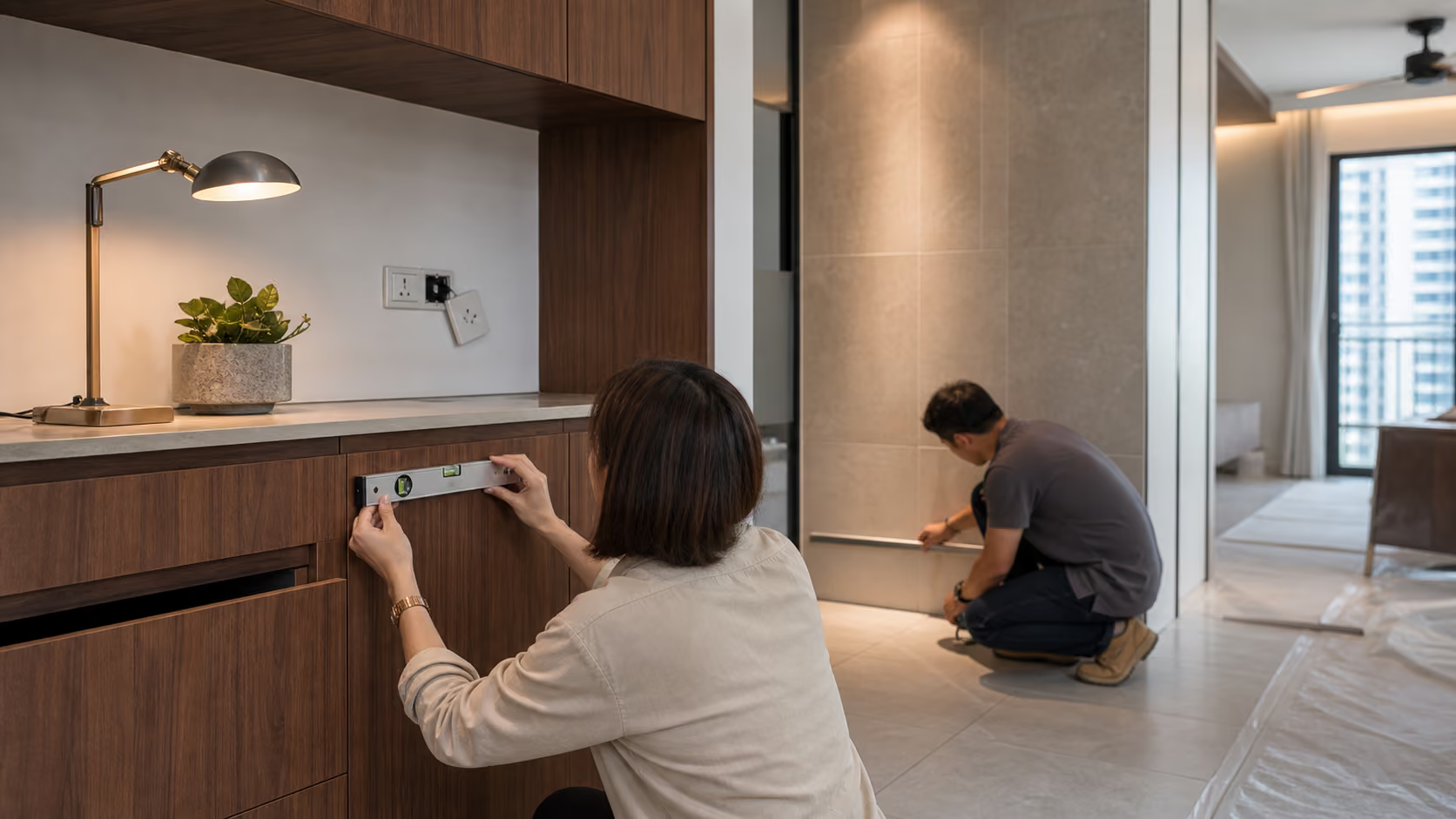
The most common renovation mistakes are: rushing into renovation without a clear plan; budgeting only for renovation works and forgetting appliances, furniture and a contingency; choosing the cheapest quotation without comparing scope; under-planning storage; poor electrical and lighting planning; cutting corners on waterproofing; over-customising with trendy features; moving plumbing unnecessarily; not researching the renovation firm; and making design changes mid-project. Each adds cost, delay or long-term frustration, and each is avoidable with proper planning before works begin.
The most common renovation mistakes are: rushing into renovation without a clear plan; budgeting only for renovation works and forgetting appliances, furniture and a contingency; choosing the cheapest quotation without comparing scope; under-planning storage; poor electrical and lighting planning; cutting corners on waterproofing; over-customising with trendy features; moving plumbing unnecessarily; not researching the renovation firm; and making design changes mid-project. Each adds cost, delay or long-term frustration, and each is avoidable with proper planning before works begin.
Rushing into renovation without a clear plan is the most common mistake. It leads to reactive decisions and mid-project changes, both of which add cost and delay. Finalising your layout, budget and materials before construction begins prevents most other mistakes as well.
Build a complete budget that includes appliances, furniture, air-conditioning and a 10–15% contingency, compare quotations on a like-for-like basis rather than by price, and lock in your full design before construction so you avoid costly variation orders. Most budget overruns come from forgotten costs or mid-project changes.
Usually, yes. The lowest quotation often reflects a thinner scope, lower-grade materials or weaker project management rather than genuine value. Compare the scope of work, material specifications, hardware and warranty behind each quotation before deciding, so you're comparing like for like.
Renovating a home is exciting — but it's also one of the most expensive and stressful projects most Singaporeans will ever undertake. And because most homeowners only renovate once every ten to fifteen years, there's very little room to learn from experience.
That's why the same mistakes appear again and again. A slightly rushed decision here, an overlooked cost there, and what should have been a smooth renovation turns into months of stress, budget overruns and features the homeowner quietly regrets.
The good news? Almost every common renovation mistake is completely avoidable. The homeowners who enjoy their renovation aren't luckier — they simply plan more carefully, ask better questions, and avoid the traps that catch everyone else.
This guide walks through the most common renovation mistakes Singapore homeowners make, why they happen, and exactly how to avoid each one. Whether you're renovating a new BTO flat, an older resale HDB or a condominium, learning from these mistakes before you start can save you thousands of dollars and countless headaches.
At Luxior Concept, we've guided many homeowners through their renovation journey, and we've seen first-hand how a little foresight prevents the regrets that so many people live with. Our goal isn't just to build beautiful homes — it's to help you make confident, informed decisions from day one.
Before diving into the specific mistakes, it helps to understand why they happen so often. Three forces work against homeowners:
Understanding these pressures is the first step to resisting them. With that in mind, here are the mistakes to watch for.
Want to avoid the expensive mistakes before they happen? Start with Luxior’s renovation cost calculator, then share your floor plan and priorities on WhatsApp so the plan reflects your actual home.
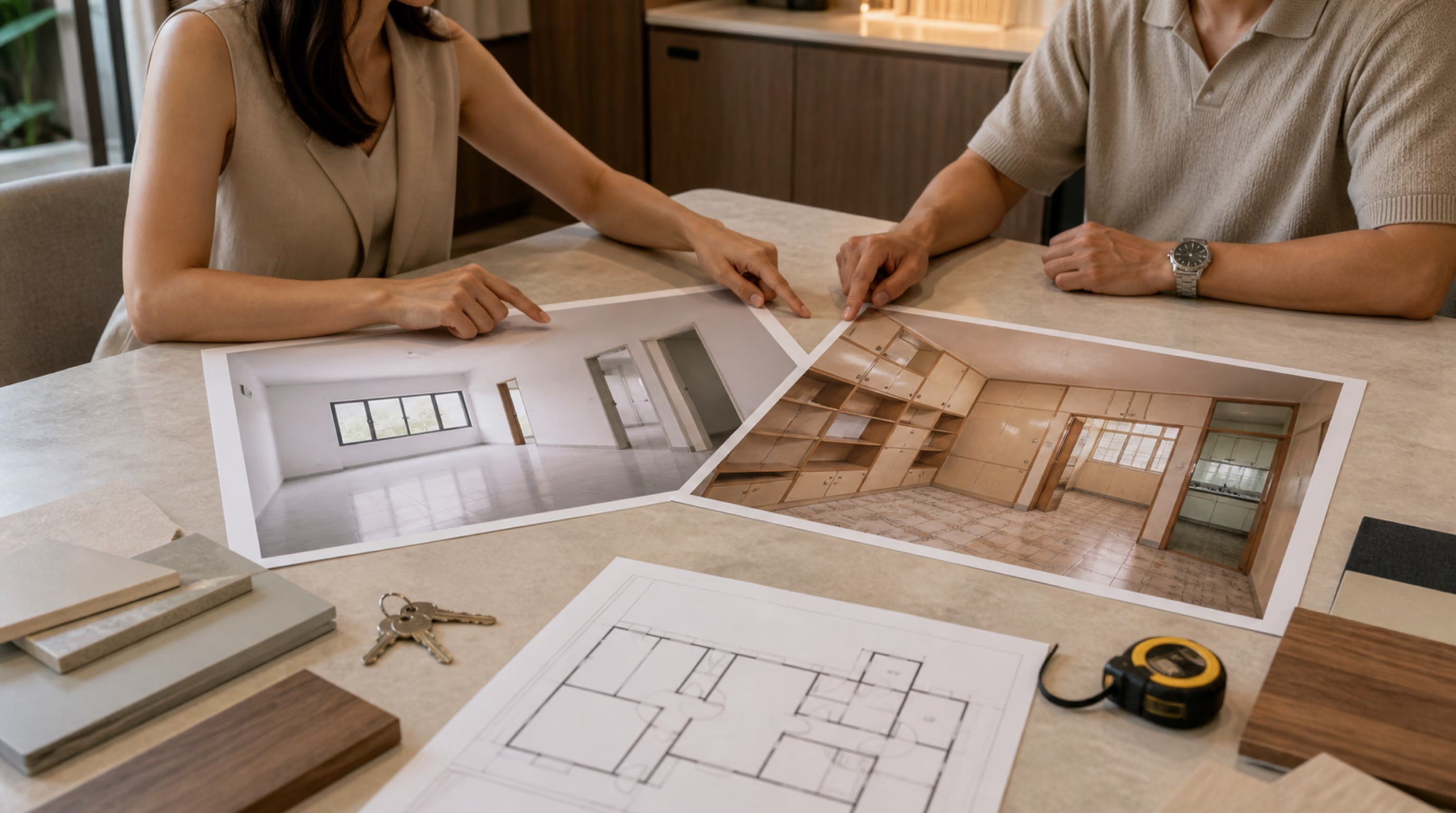
The single most common mistake is starting a renovation before there's a clear plan. Excited homeowners often collect their keys and immediately begin hacking, buying materials and making decisions — only to realise weeks later that the layout doesn't work for their lifestyle.
Rushing leads to reactive decisions, and reactive decisions cost money. Every unplanned change mid-renovation triggers additional labour, materials and delays.
How to avoid it: Spend time on planning before any work begins. Map out how your family actually lives — where you cook, work, relax and store things — and translate that into a considered layout. A well-thought-out plan is the foundation every other decision rests on.
✅ Expert Tip: Aim to finalise your entire design — layout, materials, carpentry and electrical points — before construction starts. The planning stage is the cheapest time to make changes; once works begin, every change gets expensive.
Many homeowners set a renovation budget based purely on the contractor's quotation — then get a nasty shock when the "extras" arrive. Air-conditioning, appliances, curtains, furniture and a dozen smaller costs are often left out entirely.
The result is a renovation that technically stayed on budget but left the homeowner thousands of dollars short of actually being able to live in the home.
How to avoid it: Build a complete budget that separates renovation works from everything else, and always keep a 10–15% contingency. Our guide on how to plan a renovation budget in Singapore breaks this down step by step.
Costs homeowners most often forget:
At Luxior Concept, we recommend listing every one of these before finalising your budget, so your total reflects the real cost of moving in — not just the renovation.
A clear budget and realistic scope prevent many downstream problems. Read our renovation budget guide, compare HDB BTO Interior Design and HDB Resale Interior Design, then explore Kitchen and Custom Carpentry ideas before committing to a quotation.
It's tempting to simply pick the lowest quotation, but this is one of the costliest mistakes of all. A quotation that's S$15,000 cheaper is almost always cheaper for a reason — thinner scope, lower-grade materials, or weaker project management.
Homeowners who chase the lowest price often end up paying more in the long run through variation orders, poor workmanship, or premature repairs.
How to avoid it: Compare quotations on a like-for-like basis, not by the bottom-line figure. Check that each one includes the same scope, material grade, hardware and warranty. Our HDB renovation cost guide explains exactly why two quotations for the "same" job can differ by S$20,000–S$50,000.
It's also worth confirming the firm engages a BCA-registered contractor and follows the official HDB renovation guidelines, since non-compliant works can be costly to rectify.
Storage is one of the biggest priorities in Singapore homes — and one of the most under-planned. Homeowners frequently focus on aesthetics during renovation, then discover after moving in that they simply don't have enough space for their belongings.
The result is clutter, retrofitted furniture that doesn't match, and a home that never feels as tidy as the renovation photos promised.
How to avoid it: Plan storage around your actual lifestyle, not a generic template. Think through where you'll keep shoes, cleaning equipment, seasonal items, luggage, children's belongings and the contents of your household shelter.
Smart storage opportunities include:
At Luxior Concept, we recommend designing storage that matches how you live rather than simply maximising cabinet volume — well-planned storage is far more valuable than more storage.
Electrical and lighting decisions are made early and are expensive to change later, yet they're often rushed. Homeowners regularly move in only to find there aren't enough power points, switches are in awkward places, or the lighting feels flat and uninviting.
Too few power points leads to trailing extension cords. Poor lighting makes even a beautifully renovated home feel cold or dim.
How to avoid it: Walk through your daily routine and plan power points and lighting around it — where you'll charge devices, position appliances, work, read and relax. Then layer your lighting rather than relying on a single ceiling light.
Good lighting uses three layers:
✅ Expert Tip: Plan a few more power points than you think you need, especially in the kitchen, bedroom and study. Adding them later means hacking walls and re-doing finishes — far more disruptive than including them upfront.
Waterproofing is invisible once the renovation is complete, which is exactly why homeowners are tempted to save on it. It's a false economy. Poor waterproofing is one of the most expensive mistakes to fix, often requiring bathrooms or kitchens to be torn up again.
Water seepage can also affect neighbouring units, leading to disputes and repair liabilities.
How to avoid it: Never treat waterproofing as an area to cut. Ensure your firm applies proper waterproofing membranes in wet areas and follows the correct process before tiling. It's a small share of the budget that protects everything built on top of it.
At Luxior Concept, we recommend treating waterproofing, wiring and plumbing as non-negotiable foundations — spend confidently here, because these are the works that are most disruptive and expensive to redo.
Trends are tempting. Fluted panels, dramatic arches, bold colour schemes and highly specific themes look stunning in showrooms and social media — but heavily trend-driven interiors can date quickly and feel tiring within a few years.
Over-customising also reduces flexibility. A home built entirely around one aesthetic is harder and more expensive to refresh later.
How to avoid it: Build a timeless foundation and layer personality on top. Keep expensive, permanent elements — flooring, carpentry, tiles — relatively neutral and classic, then express trends through easily changed items like décor, cushions, art and lighting.
At Luxior Concept, we recommend investing your permanent budget in timeless quality and reserving trends for the elements you can update affordably as your taste evolves.
Relocating a kitchen sink, toilet or floor trap might seem like a minor change, but it's one of the more expensive moves in any renovation. Moving plumbing points triggers additional piping, hacking, waterproofing and tiling — and in HDB flats, some relocations are restricted.
Homeowners often relocate wet areas purely for aesthetics, without realising the cost multiplier involved.
How to avoid it: Where the existing layout works reasonably well, keep sinks, toilets and floor traps in place. Design around them rather than against them. If a relocation genuinely improves how you live, budget for it deliberately rather than deciding on impulse.
Choosing a renovation firm based on price or a single showroom visit is a common and risky mistake. Communication, reliability, workmanship and after-sales support vary enormously between firms — and the wrong choice can turn a renovation into a months-long ordeal.
How to avoid it: Do your homework before committing. Compare experience, portfolios, communication style, transparency and warranty terms — not just price. Ask to see completed projects similar to your flat type, and confirm the firm engages properly registered contractors.
Questions worth asking:
Whether you choose an interior designer or a contractor depends on how much design, coordination and project management you need — but either way, research protects you.
Changing your mind after works have begun is one of the fastest ways to blow a budget and timeline. Mid-project changes — moving a wall, switching a material, adding carpentry — trigger variation orders, wasted materials, idle labour and delays.
A few changes can quietly add S$10,000 or more, and push your completion date back by weeks.
How to avoid it: Invest the time to get your design right on paper before construction starts. Visualise the finished home, confirm every material and finish, and resist the urge to "decide later." The more decisions you lock in before works begin, the fewer costly surprises you'll face.
✅ Expert Tip: Keep a written, signed scope of works and design. It protects both you and your renovation firm, and it dramatically reduces the temptation — and the cost — of mid-project changes.
A beautiful home that doesn't function well is a common and frustrating outcome. Homeowners sometimes prioritise how a space looks over how it works — resulting in cramped kitchen workflows, awkward door swings, or furniture that blocks natural movement.
How to avoid it: Prioritise thoughtful space planning from the start. In the kitchen, respect the working triangle between sink, hob and fridge. In living and dining areas, plan for comfortable circulation. Good space planning makes a home feel larger and calmer, regardless of its actual size.
At Luxior Concept, we recommend testing your layout against daily routines — cooking, cleaning, entertaining, working from home — before finalising it. Function and beauty should reinforce each other, not compete.
The most photogenic finishes aren't always the most practical. High-gloss surfaces show every fingerprint, delicate materials scratch easily, and some finishes demand constant upkeep. Homeowners who choose purely on looks often regret it once daily life begins.
How to avoid it: Weigh maintenance alongside appearance for every material decision. Consider scratch resistance, water resistance, cleaning requirements and durability — especially in high-traffic and high-use areas like kitchens, floors and children's spaces.
Practical, low-maintenance choices include fingerprint-resistant laminates, porcelain tiles in wet and high-traffic areas, and durable quartz or sintered stone worktops. Choosing materials that suit your lifestyle keeps your home looking beautiful with far less effort.
Use this checklist before and during your renovation to steer clear of the most common regrets.
Before you start
During planning
Before works begin
At Luxior Concept, we recommend treating this checklist as a gate — don't let construction begin until every box is ticked. It's the simplest way to avoid the mistakes that cost homeowners the most.
Renovation mistakes are common, but they're rarely inevitable. Almost every regret — the blown budget, the missing storage, the dated feature wall, the endless variation orders — traces back to a decision that was rushed, skipped or made without enough information.
The homeowners who look back on their renovation with satisfaction are simply the ones who planned carefully, asked the right questions, and made deliberate choices before the first wall came down.
If you approach your renovation with foresight — a complete budget, a considered layout, timeless foundations and a firm you trust — you'll avoid the mistakes that cost others so much, and end up with a home that works beautifully for years to come.
If you'd like ideas and inspiration, browse Luxior.com.sg to see completed homes across different property types and styles.
Every home is unique, and every renovation should be tailored to your lifestyle, budget and long-term needs. Whether you're renovating a new BTO flat or transforming an older resale HDB, the team at Luxior Concept is here to help you plan carefully and avoid the mistakes that catch so many homeowners off guard.
Book a complimentary consultation today and discover how we can help you create a home that's built Beyond Standards.
Book a Free Consultation 👉 or message us directly on WhatsApp.
Every unplanned change made mid-renovation triggers additional labour, materials and delays. The planning stage is the cheapest time to make changes — once construction starts, changing your mind gets expensive fast. Finalise your layout, materials, carpentry and electrical points before any work begins. For an initial planning range, use Luxior’s renovation cost calculator before you request quotations.




.avif)