Property Type & Space Planning
UrbanVille @ Woodlands Renovation

Yes. Brutalist New York interior design can work beautifully in a Singapore HDB flat or condominium when its architectural strength is balanced with warmth. The most liveable version uses concrete-look surfaces, reclaimed-brick character, dark timber, stainless steel and black accents, then softens them with tactile fabrics, warm lighting, greenery and uncluttered planning.
The goal is not to make an apartment resemble an unfinished warehouse. It is to create a home that feels honest, grounded and quietly dramatic—one where every material appears intentional and every room remains comfortable in Singapore's bright, humid climate.
Brutalism began as a mid-20th-century architectural movement that valued structural clarity, strong massing and materials shown with minimal disguise. Concrete became closely associated with the movement, but Brutalism was never simply a licence to make everything grey. Its deeper principle was material honesty: allowing structure, texture and construction to shape the visual identity of a space. This makes it meaningfully different from a conventional industrial interior, even though the two can share materials.
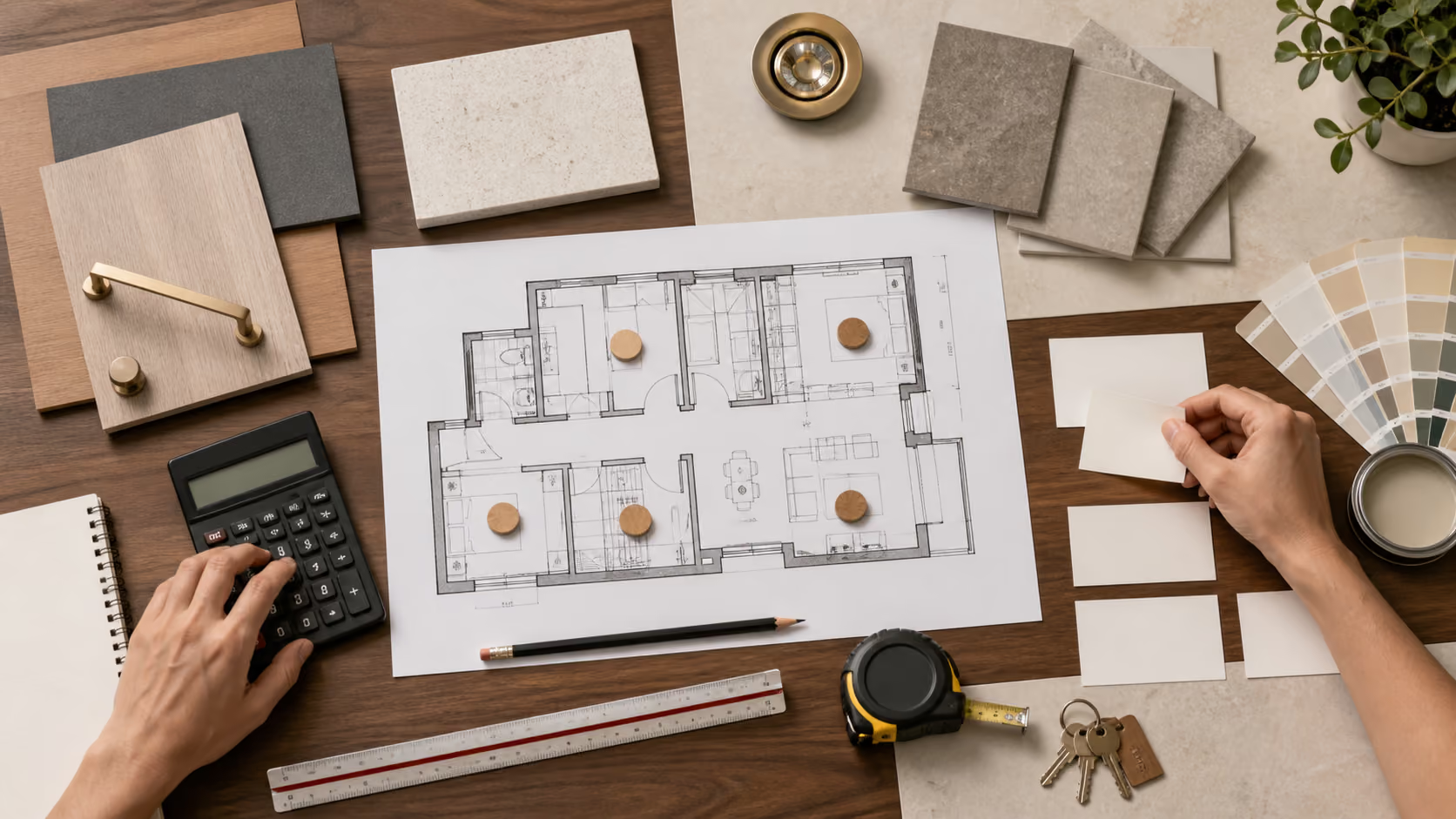
Planning a Brutalist-inspired HDB or condo? Share your floor plan, property type and preferred materials on WhatsApp, and we’ll help you test the look against space, light, storage and daily use.
"Brutalist New York" brings that architectural directness into the atmosphere of a Manhattan loft. Concrete or concrete-look surfaces meet aged brick, blackened steel, stainless steel, substantial furniture and gallery-like artwork. Instead of ornate decoration, the character comes from weight, proportion, patina and contrast.
In a Singapore apartment, the interpretation needs to be lighter and more controlled. Full-height dark concrete on every wall can make a compact flat feel oppressive. A more tasteful approach creates one or two strong architectural moments and gives them room to breathe.
Tasteful Brutalism is an exercise in restraint. It uses fewer materials, but gives each one more presence. A brick wall is allowed to remain visually quiet rather than being crowded with signs and accessories. A block-like coffee table becomes sculptural because the furniture around it is simpler. Dark walnut feels richer beside mineral-toned walls, while brushed metal introduces a cool flash without turning the room into a themed industrial set.
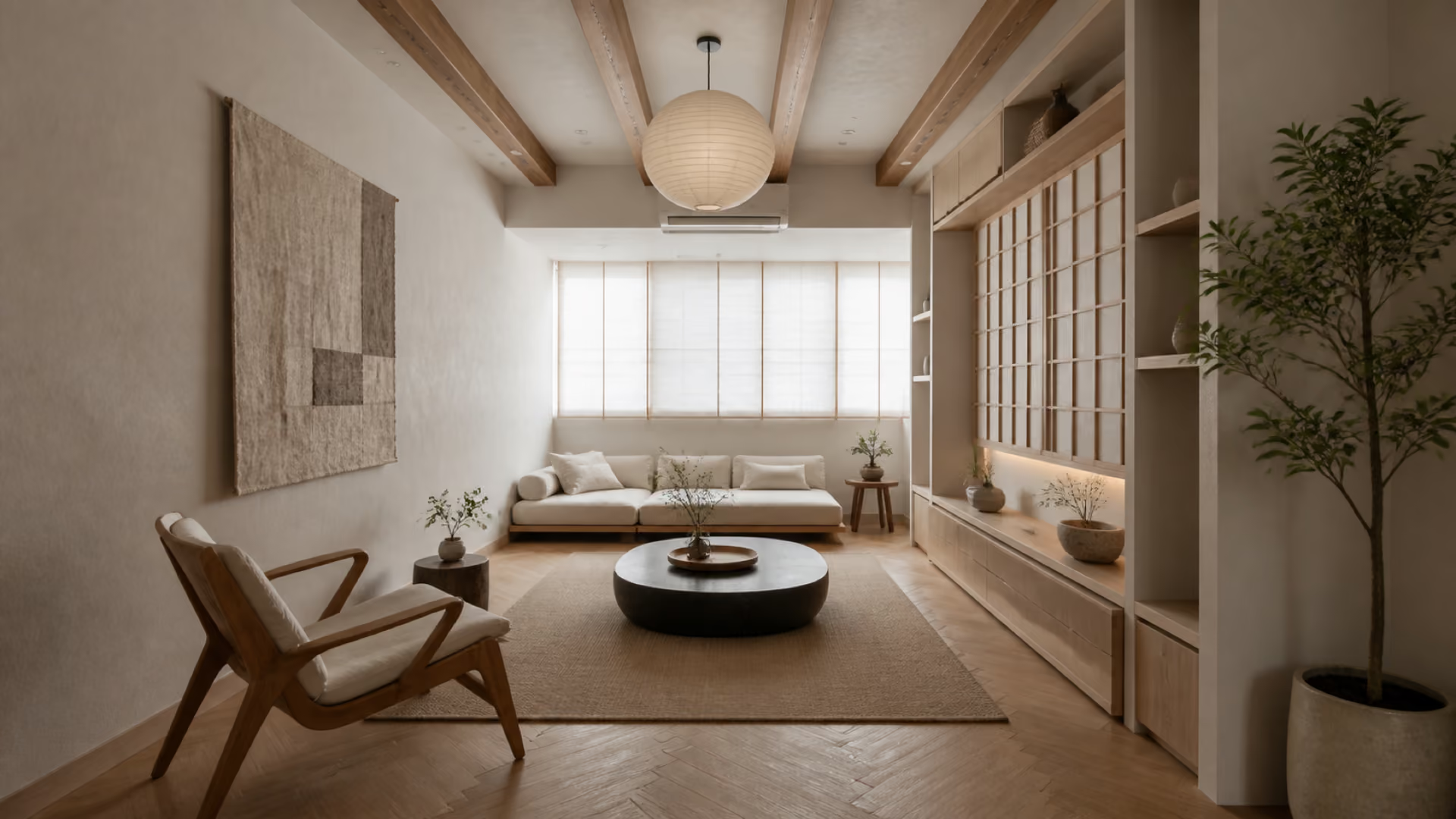
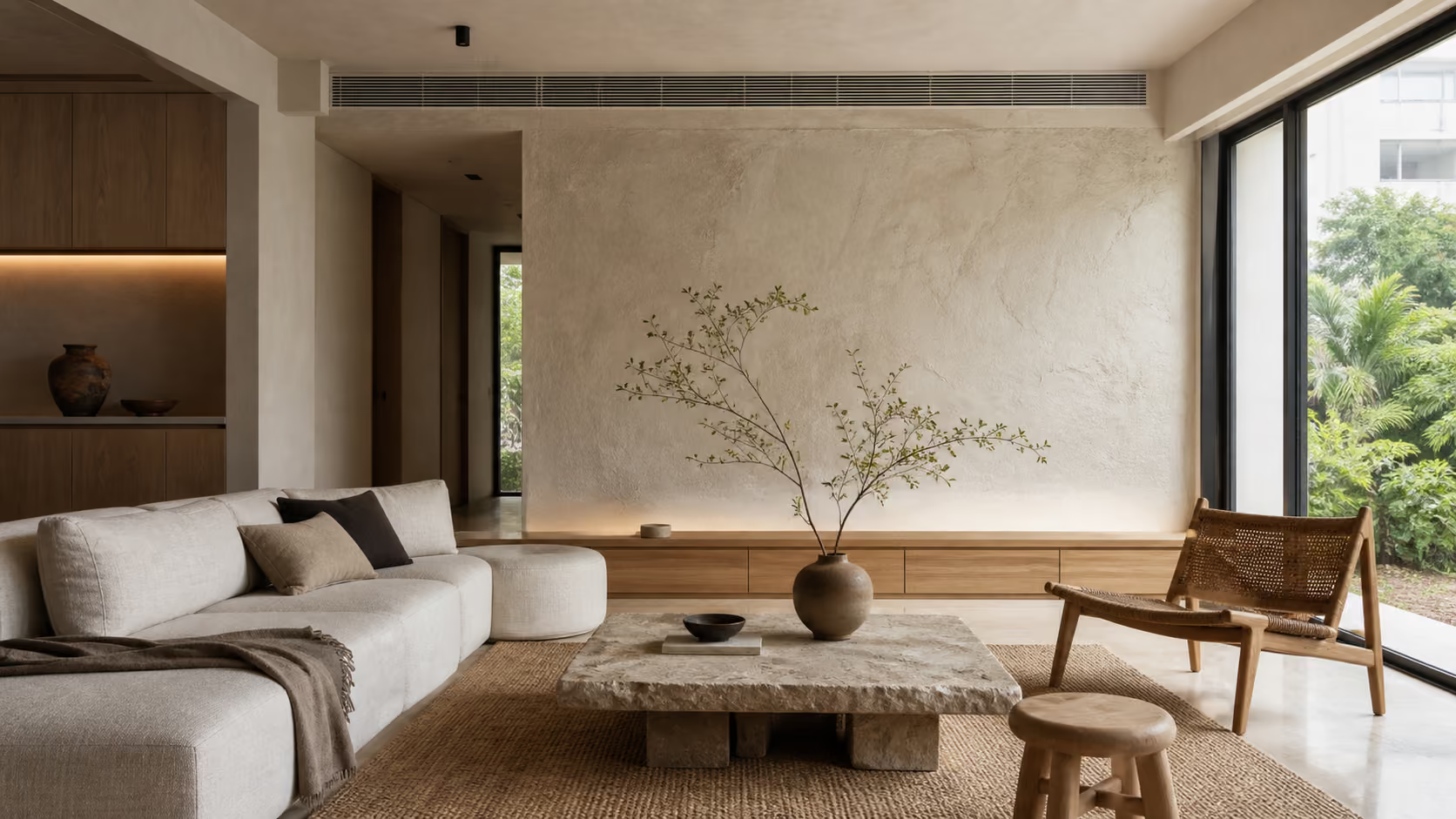
The supplied living space demonstrates this balance particularly well. The exposed-brick character is warm rather than aggressive. The concrete-look floor and coffee table establish weight, but the sofa, woven throw, timber armchair, plants and daylight prevent the composition from becoming severe. Black lighting and open metal shelving provide a precise New York edge.
That tension—raw and refined, heavy and soft, urban and natural—is what makes the style sophisticated. Remove the contrast and the room can look unfinished. Overdecorate it and the architectural calm disappears.

Considering this style for your home? Send Luxior your HDB or condo floor plan for an initial space-planning review on WhatsApp.
Yes, but the design response should change with the property.
A resale flat can be an excellent setting because the existing home may already require a more extensive material and services review. The longer plan of many resale flats can also support a strong visual axis from kitchen to living and dining. Built-in storage is important: Brutalism looks most convincing when daily clutter is concealed and the major forms remain legible.
The style does not require indiscriminate hacking. Concrete-looking walls may be created with appropriate decorative finishes or panels, while brick character can be introduced selectively rather than through unnecessarily thick construction. Any proposal must be coordinated with the actual flat, approved drawings and prevailing HDB requirements.
A condo may offer large windows, a compact open-plan living zone or existing stone and metal finishes that complement the style. The challenge is often visual density. Too many dark planes can compress a smaller unit, so one feature surface, slim furniture profiles and consistent flooring usually work better than treating every room as a separate statement.
Condo owners should also check their development's renovation procedures. Management corporations can impose renovation conditions, and work affecting common property or key structural elements requires the appropriate review and approval.
Begin with circulation, not the feature wall. In an HDB or condo, the living room has to support television viewing, conversation and a clear path between the entrance, bedrooms and kitchen. A large sofa can still work, but it should not force every other element to the perimeter.
Use one visually weighty anchor: a monolithic coffee table, low media console or substantial sofa. Then counter it with pieces that show more air around them, such as an open-framed armchair, slender floor lamp or steel shelving. This variation prevents the room from feeling like a collection of heavy blocks.
The dining space should continue the same material story. A dark timber table adds warmth and can withstand daily use better visually than a highly polished showpiece. A single black pendant makes the table feel important without lowering the entire ceiling with elaborate false-ceiling work.
The kitchen is where the New York influence can feel most convincing. Stainless steel introduces the language of professional kitchens, while dark wood cabinetry keeps the room residential. Flat cabinet fronts, minimal handles and a restrained backsplash allow the materials to speak without decorative noise.
The strongest approach is controlled contrast: steel worktops and splashbacks for reflection, timber below for warmth, and muted upper cabinets so the room does not become top-heavy. Under-cabinet lighting is especially useful because it brings warmth to metal surfaces and improves task visibility.
Not sure how far to take the look? Send us your floor plan and reference images on WhatsApp and we’ll help separate the permanent decisions from the reversible accents.

Stainless steel is durable and hygienic, but it shows fingerprints, water marks and fine scratches. That evolving patina can suit the style, provided the homeowner genuinely accepts it. A concrete-look finish should also be chosen for the room's demands: visual texture alone does not guarantee resistance to moisture, oil or cleaning chemicals. Samples and technical specifications matter more than the name of the finish.
Bedrooms should carry the style more softly than the social spaces. Keep the architectural palette—warm grey, dark walnut, off-white and black—but reduce the amount of brick and metal. Linen, woven rugs, upholstered surfaces and curtains absorb both sound and visual hardness.
In the primary bedroom, a low timber bed creates horizontal calm. A single concrete-textured panel can frame the sleeping zone, while full-height timber wardrobes supply warmth and essential storage. Bedside lighting should be local and gentle rather than relying only on bright ceiling lights.
A secondary bedroom can take a stronger brick feature because the bed and textiles soften it. For a guest room or young adult's room, the result feels urban and collected rather than overly polished.
In a compact bedroom, make the storage wall do several jobs. A wardrobe, desk and open shelf can be designed as one composition so the floor remains clear. Avoid projecting ledges at head or shoulder height, and ensure the desk depth works with the bed clearance before carpentry is finalised.
A child's room or flexible study-bedroom can be even lighter. Use concrete character on one plane, keep the remaining walls warm white, and let replaceable items—art, bedding and accessories—change as the occupant grows.
Bathrooms suit the mineral character of this style, but performance must come first. Large-format stone- or concrete-look tiles can reduce visual interruption, while black shower fittings create graphic contrast. A timber-look vanity prevents the room from becoming an all-grey box.
Good lighting is essential. Combine practical mirror lighting with a softer concealed source where appropriate, and check how every finish behaves under the actual colour temperature. Grey materials that look calm in daylight can appear green, blue or flat under poor artificial light.
Practical details decide whether the look ages well: falls to floor traps, waterproofing, grout selection, accessible maintenance points, ventilation and surfaces that tolerate regular cleaning. In the common bathroom, a large round mirror can introduce one softer geometry without diluting the concept.
They matter enormously because Brutalism depends on sequence. The entrance should introduce the palette without revealing every statement at once. A floating dark-timber console, a slim metal-framed mirror and one section of brick create an immediate sense of identity while preserving walking space.
Along the hallway, continuity matters more than decoration. Consistent doors, flooring and warm wall tones make the bedrooms feel connected to the living area. Artwork should be used sparingly and at a scale that suits the corridor's viewing distance.
A successful palette is warmer than many Brutalist mood boards suggest:
- Base colours: warm white, putty, mushroom, taupe and mineral grey.
- Warm anchors: walnut, smoked oak, reddish-brown brick and muted terracotta.
- Cool accents: brushed stainless steel, gunmetal and soft black.
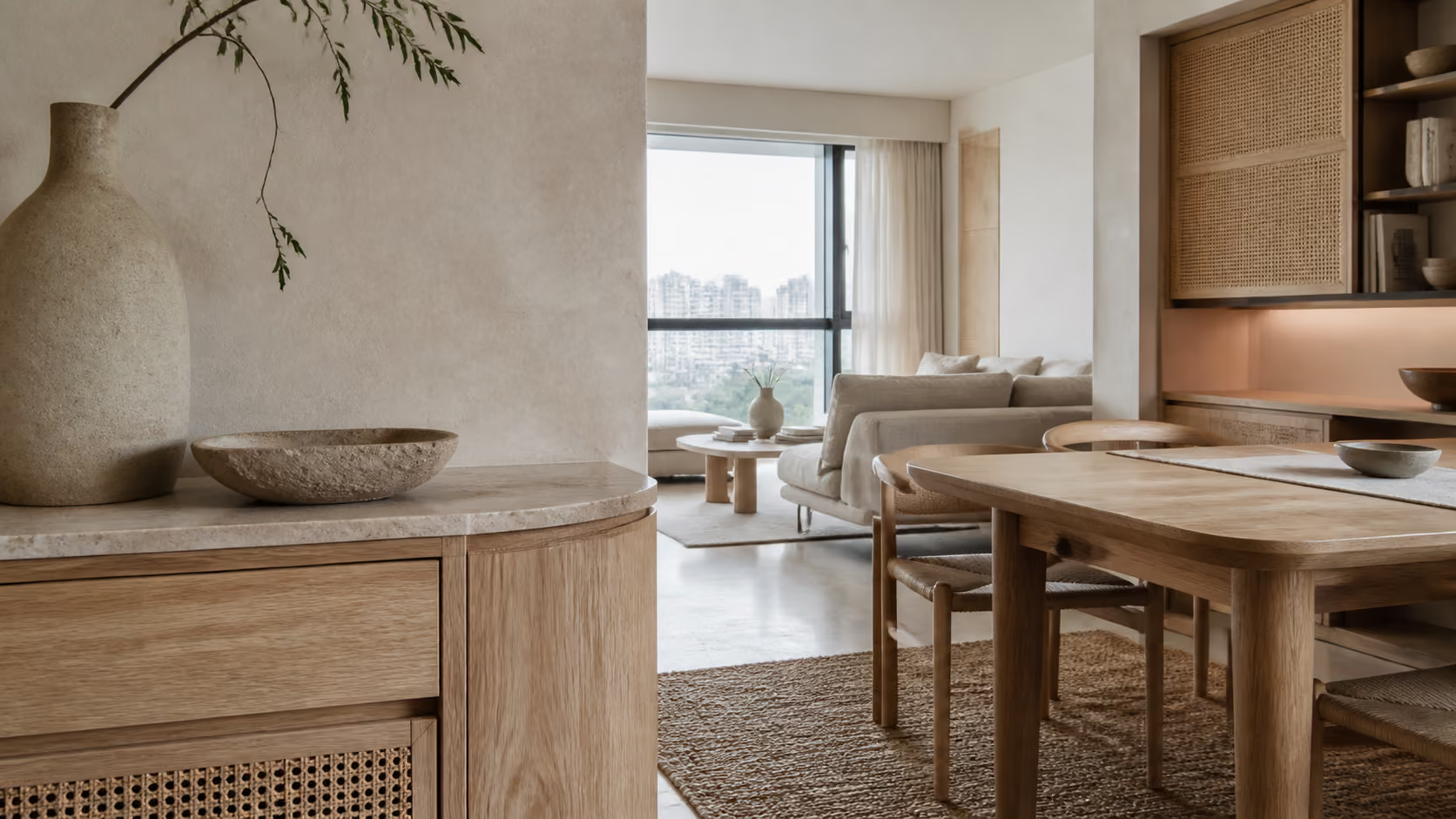
- Softening layers: oatmeal fabric, wool-look weaves, textured rugs and off-white curtains.
- Natural relief: a few well-placed plants rather than greenery scattered on every shelf.
Choose finishes according to where they will be used. Wet areas, kitchens, strong afternoon sun and air-conditioned bedrooms place different demands on materials. Ask for physical samples, view them in the flat at different times of day and confirm cleaning requirements before approval. For cement-effect coatings, clarify substrate preparation, sealing, repairability and the likelihood of natural tonal variation. If you are still comparing aesthetics, Luxior's Interior Style Index helps place Brutalism beside other directions for Singapore homes.
- It has a distinct identity. The home feels authored rather than assembled from generic trends.
- The palette can age gracefully. Matte, textured and patinated materials often become more characterful with use.
- It rewards restraint. Fewer decorative objects can create a stronger result.
- It pairs well with practical storage. Concealed cabinetry protects the architectural calm.
- It adapts across rooms. The living areas can be bolder while bedrooms remain softer.
- It can feel luxurious without being glossy. Quality is expressed through proportion, junctions, lighting and material depth.
- Dark or poorly lit versions can feel smaller. This is especially risky in compact units or rooms with limited daylight.
- Hard surfaces may increase echo. Rugs, curtains, upholstery and acoustic consideration are important.
- Texture can complicate cleaning. Deeply uneven brick and rough coatings trap more dust than smooth finishes.
- Metal shows use. Fingerprints, water marks and fine scratches are part of the maintenance reality.
- Imitation materials can look unconvincing. Repeating printed patterns or poorly executed coatings undermine the honesty the style depends on.
- Heavy-looking features can consume space. Visual mass should not become unnecessary physical thickness.
- It is taste-specific. Homeowners planning a near-term resale may prefer to keep the permanent layer quieter and use reversible Brutalist accents.
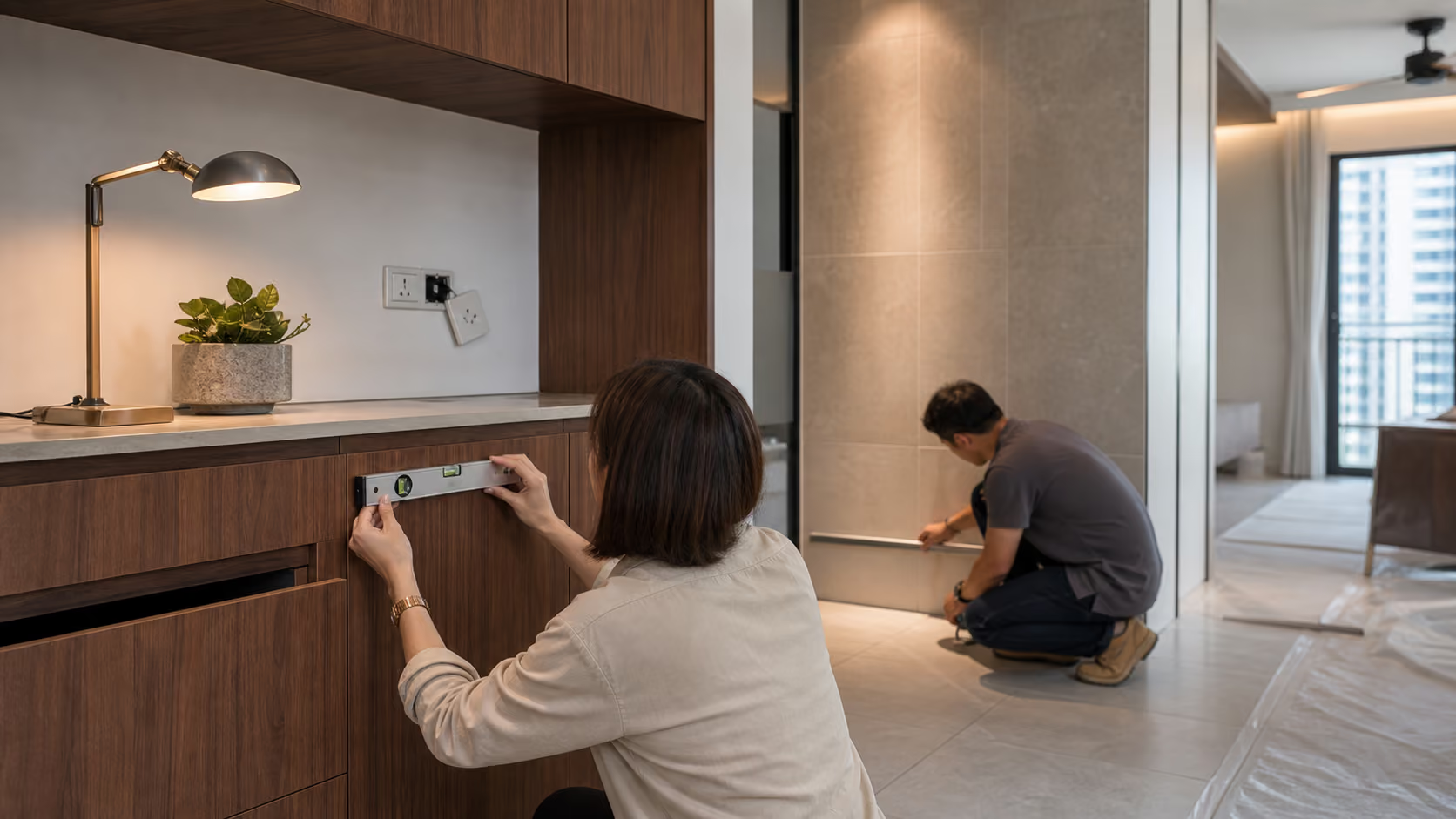
For HDB flats, design intent must follow the actual approved renovation scope. HDB's building-work guidelines state that certain works require prior written approval, wall demolition or alteration requires approval, and reinforced-concrete structures must not be tampered with. The guidance also sets conditions for wall finishes, floor finishes and bathroom waterproofing. Use an HDB-registered renovation contractor and check the latest requirements for the specific flat through the official HDB channels before work begins.
For condominiums, obtain the development's renovation manual and management approval before starting. Requirements can cover deposits, working hours, lift protection, debris removal, service access and technical submissions. The management corporation may also impose conditions intended to protect beams, columns, shear walls and other key structural elements.
These checks are not obstacles to the style. They help the designer decide where genuine structural expression is possible and where a lighter decorative interpretation is more appropriate.
Before choosing brick, concrete-look finishes or built-in storage, send Luxior your floor plan and renovation brief on WhatsApp. The right version of this style begins with what your home can safely and comfortably support.
The first mistake is equating Brutalism with grey paint. Without contrast in texture, scale and warmth, the result feels flat rather than architectural. Luxior's guide to common renovation mistakes explains why permanent design decisions should be resolved before construction begins.
The second is using too many "industrial" symbols at once: brick, pipes, cage lights, distressed signs, black tracks and heavy metal furniture. That creates a theme restaurant, not a refined home.
The third is forgetting storage. Open shelving looks elegant only when the household has a realistic system for everything that should not be displayed.
The fourth is selecting finishes from small online images. Concrete tones, wood grains and brick colours interact strongly, and an undertone mismatch can make the entire palette feel accidental.
Finally, do not copy the visual weight of a New York loft without adapting it to the apartment's scale. Preserve daylight, protect circulation and let some walls remain quiet.
Brutalist New York interior design suits homeowners who appreciate architecture, tactile materials, monochrome art, warm dark timber and spaces with a strong point of view. It works particularly well for people who prefer a few substantial pieces over abundant decoration and who are comfortable allowing materials to develop a natural patina.
It may be less suitable for someone who wants a very bright all-white home, enjoys frequently changing decorative themes or dislikes visible variation in metal and mineral finishes. Families with young children or pets can still use the style, but sharp corners, rough surfaces and upholstery performance should be considered carefully.
Brutalist New York style can be exceptionally tasteful in a Singapore HDB or condo because it offers something many trend-led interiors lack: conviction. The best version is not a replica of an overseas loft and not a collection of industrial clichés. It is a locally adapted design language built from honest-looking materials, disciplined planning and carefully controlled contrast.
Use concrete texture for calm, brick for warmth, timber for comfort, metal for precision and fabric for softness. Give those elements enough space, light and practical storage, and the result can feel both cinematic and deeply liveable.
- HDB building-work guidelines
- BCA information for subsidiary proprietors
- MoMA overview of Brutalist architecture
It can range from moderate to premium. Cost depends less on the style label than on hacking, surface preparation, custom carpentry, metalwork, kitchen and bathroom scope, lighting and the quality of the selected finishes. A restrained scheme with one strong feature surface can be more cost-controlled than a heavily customised whole-home treatment.
For an initial planning range, use Luxior’s renovation cost calculator, then confirm the scope with a floor-plan review.



.avif)