Property Type & Space Planning
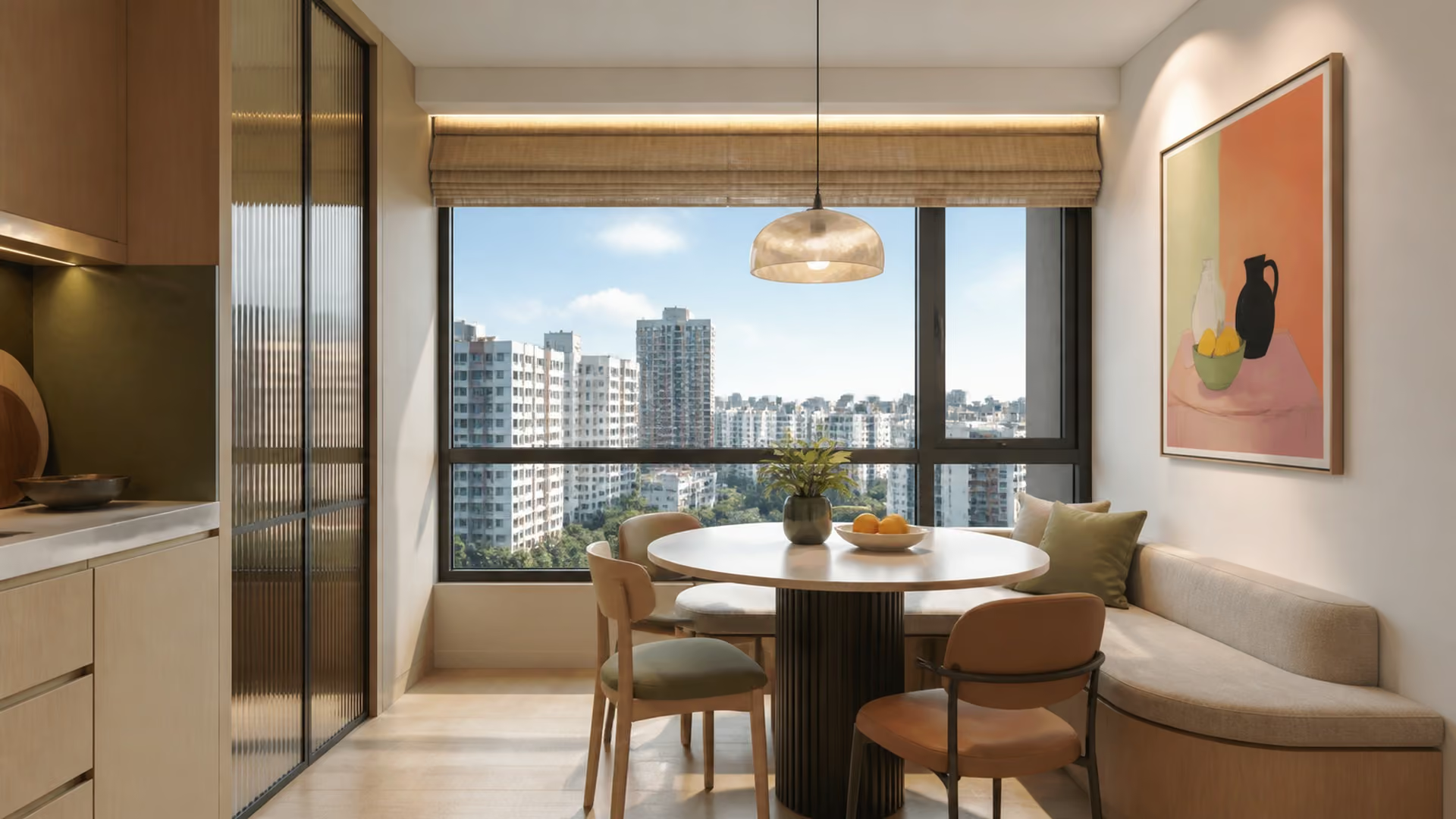
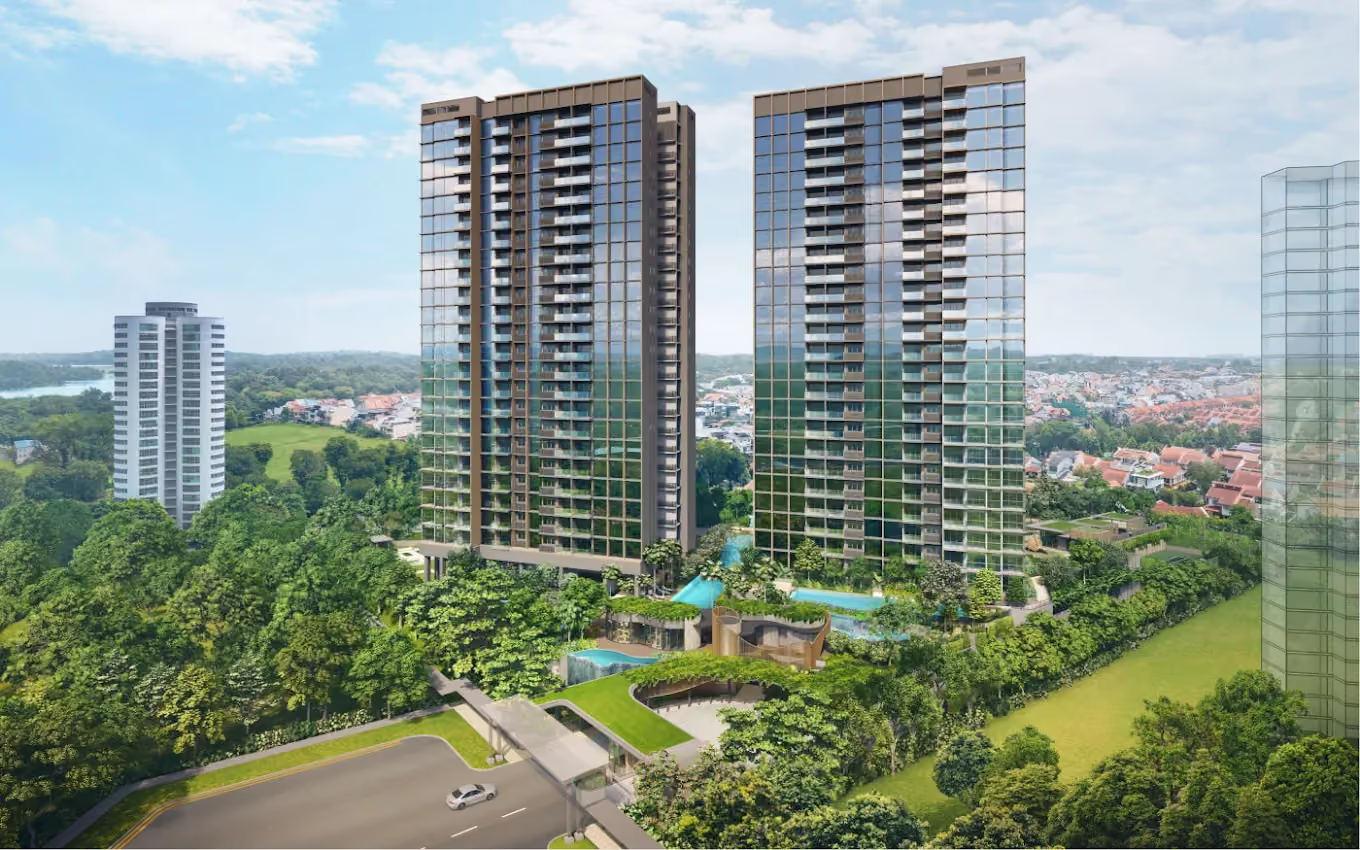
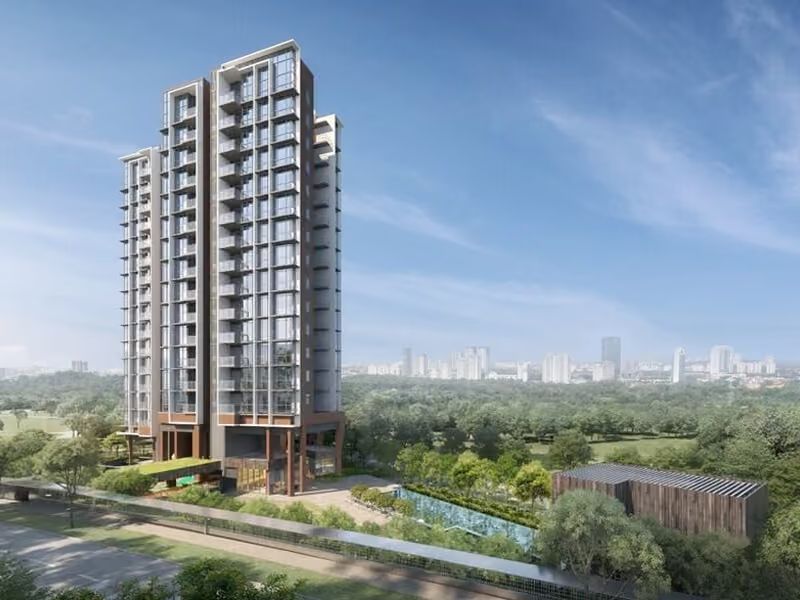
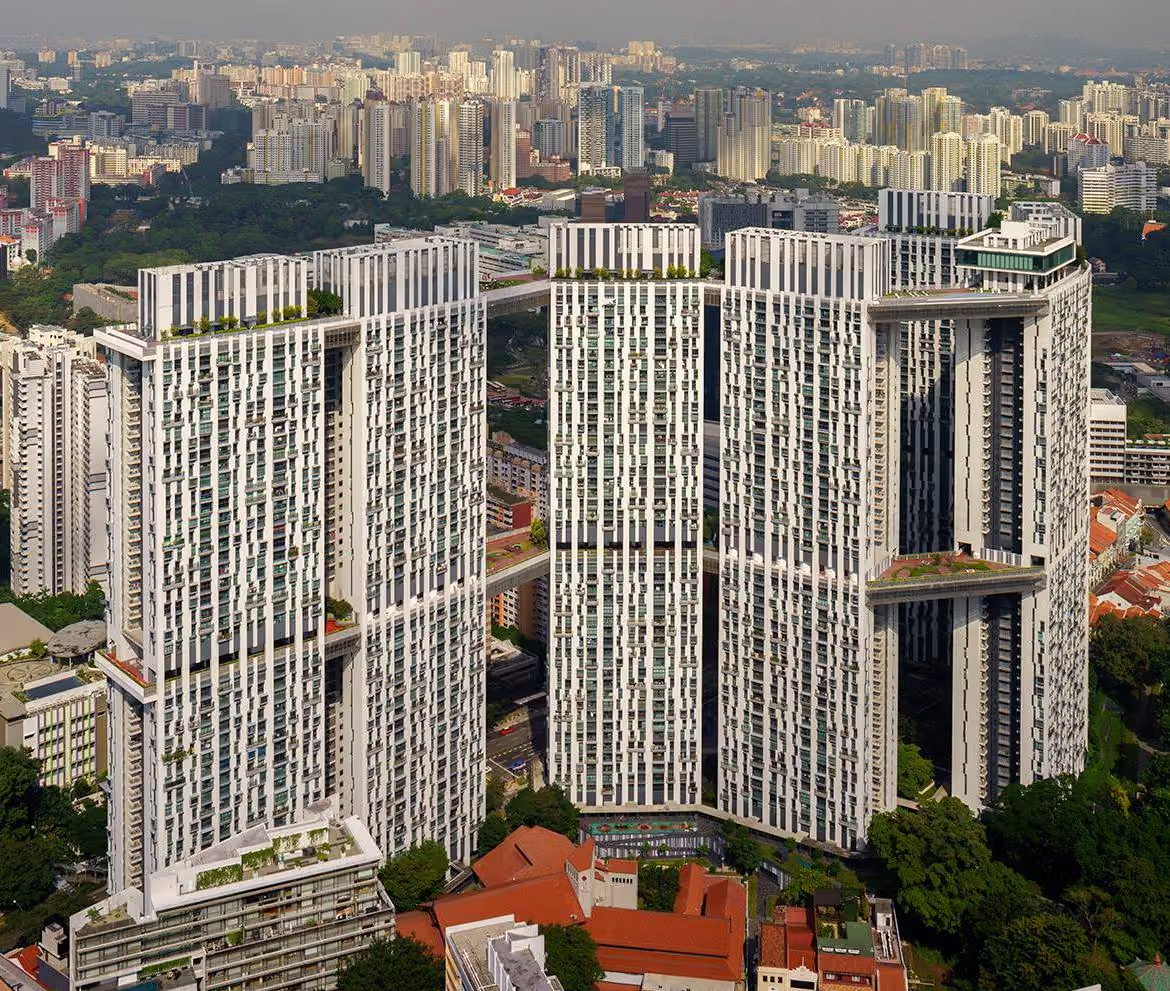
UrbanVille @ Woodlands Renovation

Start by collecting images of interiors you love and looking for recurring patterns in colour, material and mood. Then weigh practical factors — your lifestyle, family needs, flat type and architecture, budget, and maintenance tolerance. Explore the styles popular in Singapore, such as Modern Contemporary, Scandinavian, Japandi, Wabi-Sabi, Minimalist and Modern Luxe, and choose a timeless foundation that reflects your taste and suits how you live. Express trends through easily changed details rather than permanent elements.
Start by collecting images of interiors you love and looking for recurring patterns in colour, material and mood. Then weigh practical factors — your lifestyle, family needs, flat type and architecture, budget, and maintenance tolerance. Explore the styles popular in Singapore, such as Modern Contemporary, Scandinavian, Japandi, Wabi-Sabi, Minimalist and Modern Luxe, and choose a timeless foundation that reflects your taste and suits how you live. Express trends through easily changed details rather than permanent elements.
Modern Contemporary, Scandinavian, Japandi and Minimalist are among the most popular interior design styles in Singapore, valued for being light, versatile and well-suited to compact flats and the bright, humid climate. Wabi-Sabi and resort-inspired looks are also increasingly popular for their calm, natural feel.
Yes. Many beautiful homes blend two complementary styles. Let one style dominate (around 70%) and a second play a supporting role (around 30%), choose styles that share a palette or philosophy such as Scandinavian and Japandi, and keep a consistent colour and material palette so the result feels cohesive rather than chaotic.
Favour a timeless foundation for permanent, expensive elements like flooring, carpentry and layout, and express trends through easily changed details such as décor, cushions and art. This keeps your home feeling current without the cost of frequently overhauling the things that are difficult and expensive to replace.
Choosing an interior design style is one of the most exciting parts of creating a home — and, for many homeowners, one of the most overwhelming. With endless inspiration online and dozens of beautiful styles to choose from, it's easy to feel paralysed, or to end up with a home that borrows a little of everything and feels cohesive in none.
The truth is that your interior design style shapes everything that follows: your layout, materials, colours, furniture and lighting. Getting it right from the start gives your entire renovation a clear direction, saves you from costly changes, and results in a home that feels intentional and harmonious.
But "getting it right" doesn't mean picking the most fashionable look. It means finding the style that genuinely reflects who you are, suits how your family lives, and works within your home and budget. A style chosen for those reasons will feel timeless and personal — not dated in a few years.
This guide walks you through exactly how to choose an interior design style for your Singapore home. We'll cover how to discover your taste, the practical factors that should shape your decision, an overview of the styles most popular here, and how to narrow it all down into a confident choice.
At Luxior Concept, we believe your home should be a reflection of you. Our role isn't to impose a look, but to help you uncover the style that feels authentically yours — and then bring it to life beautifully.
It's tempting to jump straight into picking furniture and finishes, but defining your style first pays off enormously. Here's why it matters:
Think of your style as the thread that ties your whole home together. Everything else, from a considered space plan to your material palette and lighting, hangs from it.
The best place to start isn't a style label, it's images. Before you worry about naming a style, immerse yourself in inspiration and let your instincts lead.
Collect freely. Save interiors you love from Pinterest, Instagram, magazines and design websites. Don't overthink it; save anything that draws you in, whether it's a whole room or a single detail.
Then look for patterns. Once you have twenty or thirty images, step back and study them. You'll almost always spot recurring themes:
These patterns reveal your true taste far more reliably than any quiz. The style you're drawn to is usually hiding in plain sight within the images you keep choosing.
✅ Expert Tip: Pay attention to the feeling each image gives you, not just the look. The emotional response — calm, cosy, energised, elegant — is the clearest guide to the atmosphere you want your own home to have.
A beautiful style that doesn't fit your life will frustrate you daily. Before committing, honestly assess how you and your household actually live.
Ask yourself:
Matching your style to your lifestyle is what makes a home not just beautiful, but genuinely liveable. A style that photographs well but fights your daily habits rarely brings lasting satisfaction.
At Luxior Concept, we recommend being honest about how you really live rather than how you aspire to live. The most successful homes are designed around real routines, then elevated with beauty — not the other way around.
Your flat itself has a character and constraints that should inform your style choice. Working with your home rather than against it always produces a more harmonious result.
Flat type and size. A compact HDB flat, a larger executive apartment, and a landed home each lend themselves to different approaches. Light, pared-back styles like Scandinavian, Japandi and Minimalist make compact spaces feel larger and calmer, while grander styles with rich detail suit homes with more space and volume.
Natural light. Bright, sun-filled flats can carry cooler palettes and bolder contrast, while darker units benefit from warm, light-reflecting styles that brighten the space.
Existing architecture. Ceiling height, window size, layout and any original features all influence which styles feel natural. A style that complements your home's bones will always feel more authentic than one imposed on top.
Singapore's climate. Our warm, humid, bright environment naturally suits airy, light and nature-connected styles — which is part of why Scandinavian, Japandi, Wabi-Sabi and resort-inspired looks are so popular here.
Choosing a style that flatters your specific home makes the whole space feel considered and cohesive rather than forced.
Style and budget are deeply connected, and being realistic here prevents disappointment later.
Budget. Some styles are inherently more costly to execute. Rich, detailed or highly customised looks — think Modern Luxe or classical styles with intricate mouldings and premium materials — require a larger budget. Pared-back styles like Minimalist and Scandinavian can be more accessible, though quality still matters. Understanding the cost implications of your chosen style early helps you plan a realistic renovation. Our renovation budget guide can help you set the right figure.
Maintenance. Different styles demand different upkeep. Glossy, high-detail or all-white schemes show marks and require more cleaning; warmer, textured, natural styles are more forgiving of everyday life. Consider how much time and effort you're genuinely willing to spend keeping your home looking its best.
Longevity. Trend-led styles can look striking now but date quickly. Investing your permanent budget in a timeless foundation — and reserving trends for easily updated details — protects your investment over time.
At Luxior Concept, we recommend aligning your style ambition with your budget and lifestyle from the outset. A well-executed simpler style always looks better than an over-reached complex one that had to cut corners.
Here's an overview of the styles most loved by Singapore homeowners, to help you recognise where your taste sits.
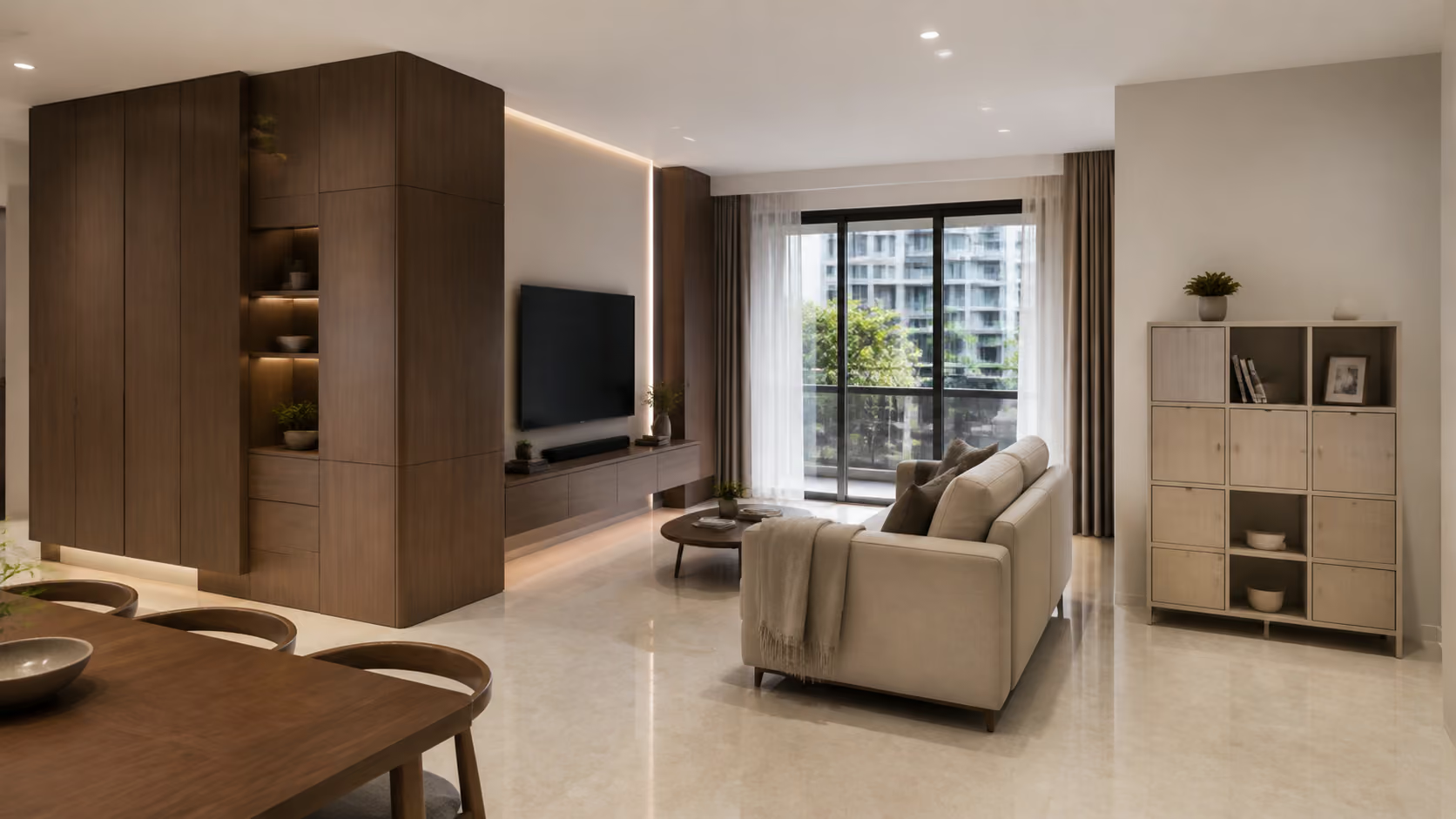
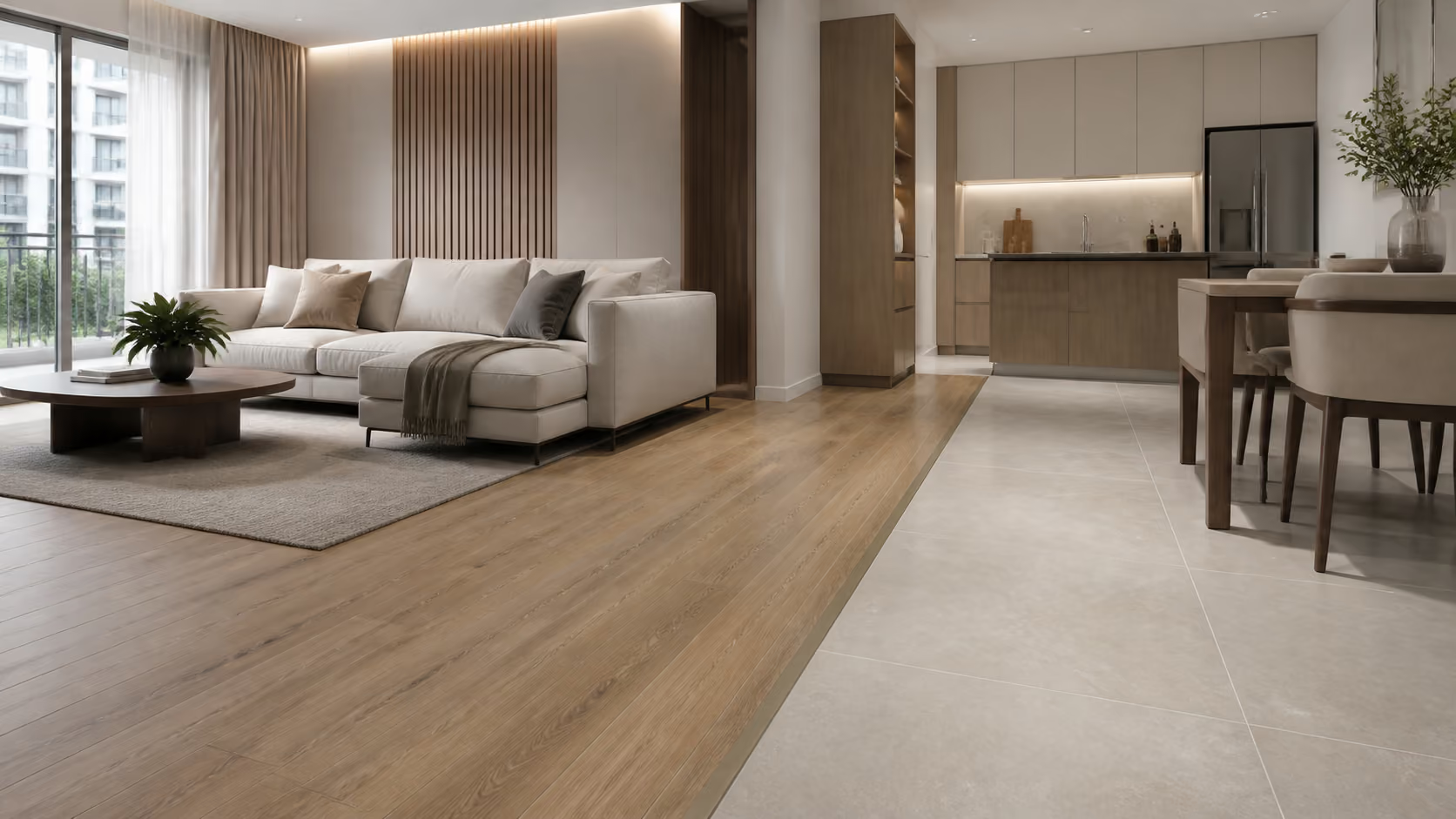
Clean lines, neutral palettes and a sleek, current feel. Contemporary interiors are versatile, timeless and hugely popular in Singapore for their balance of style and practicality.
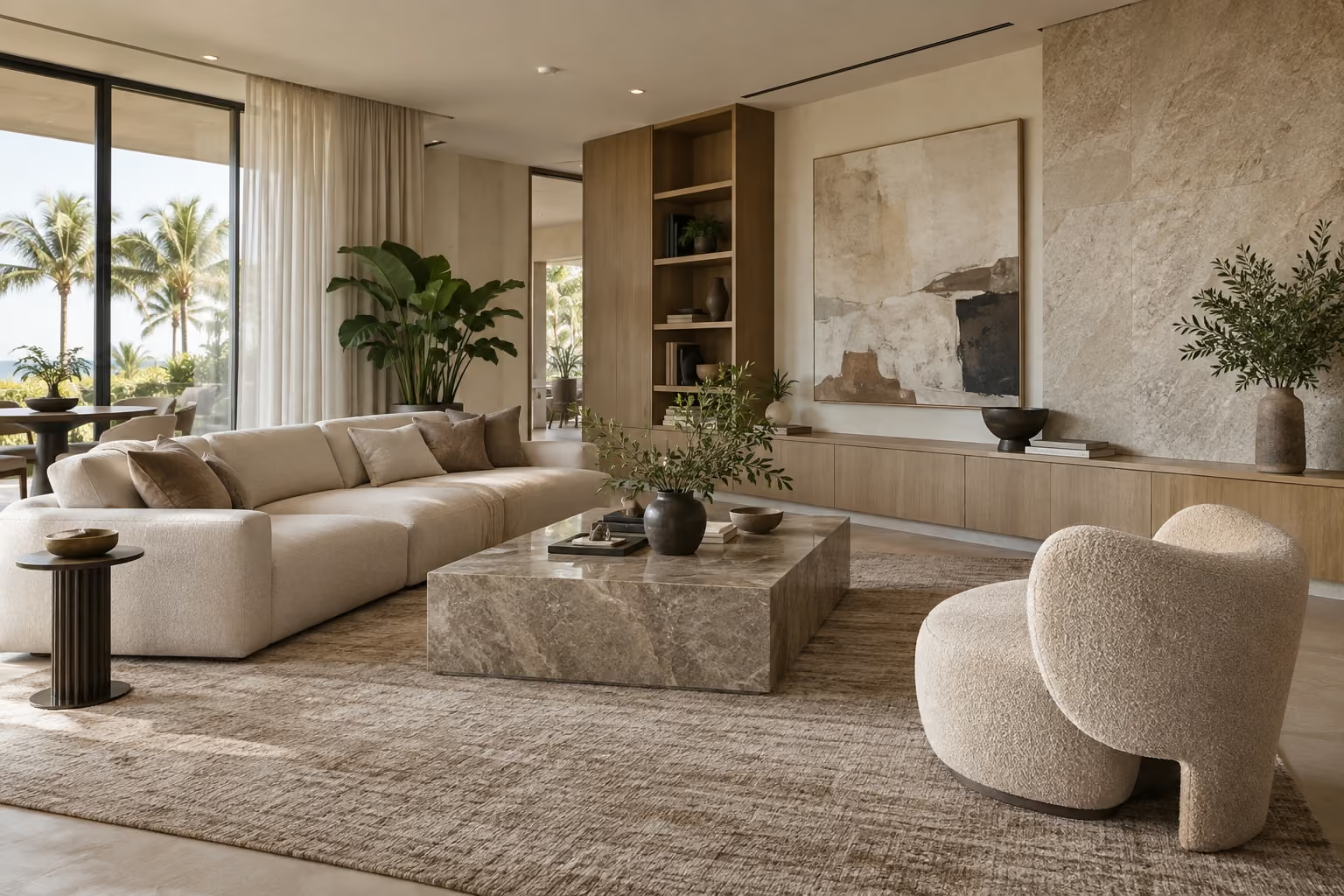
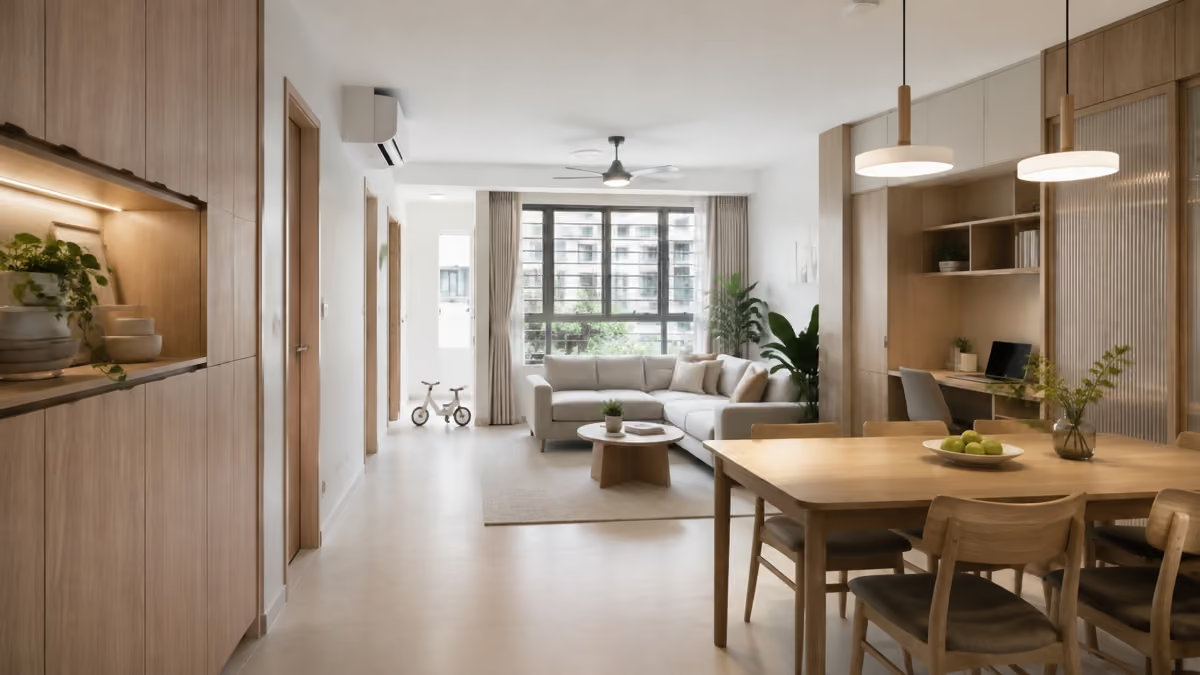
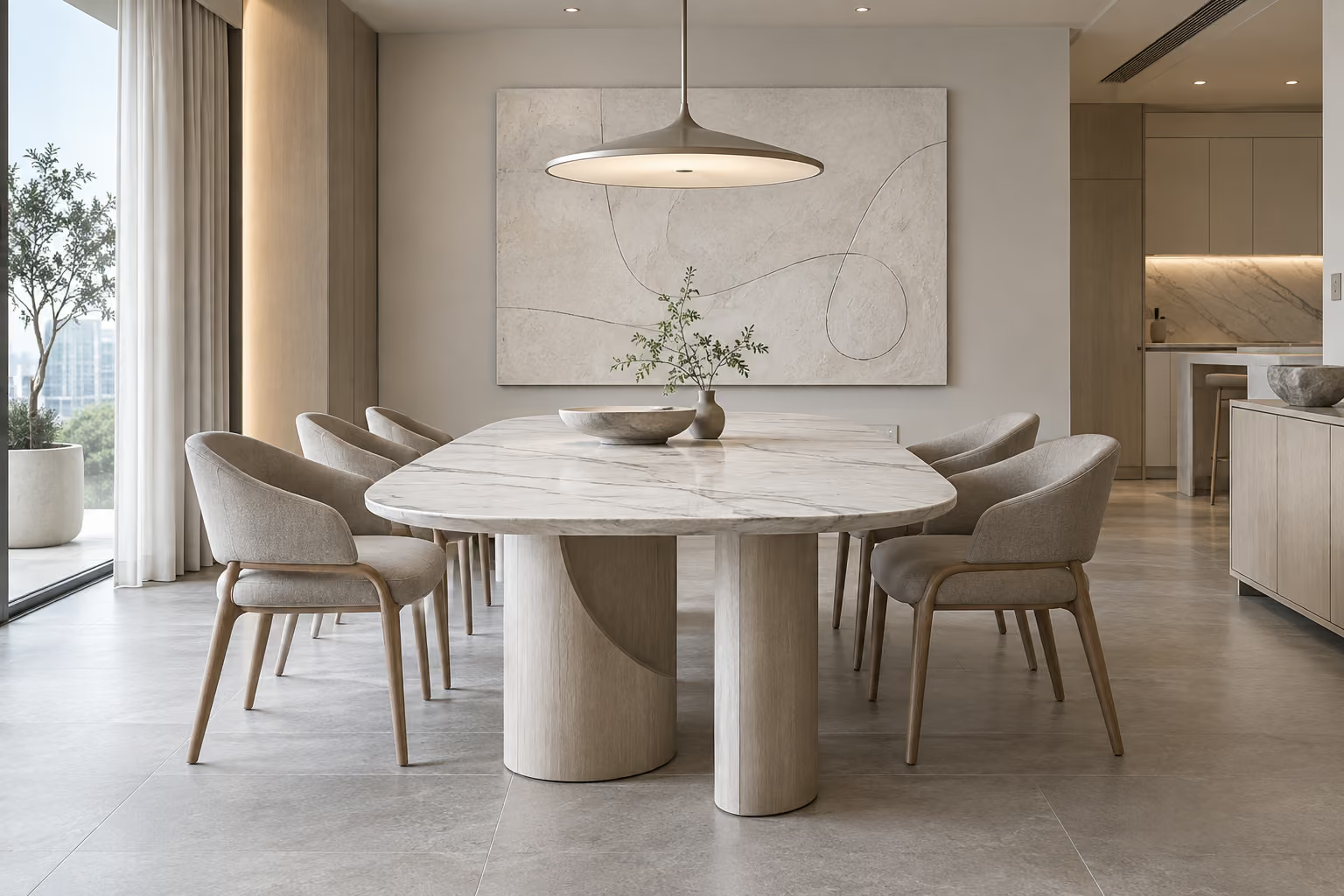
Light woods, white walls, soft textiles and a bright, airy simplicity. Scandinavian design is warm yet minimal, and works beautifully in compact, light-filled flats.
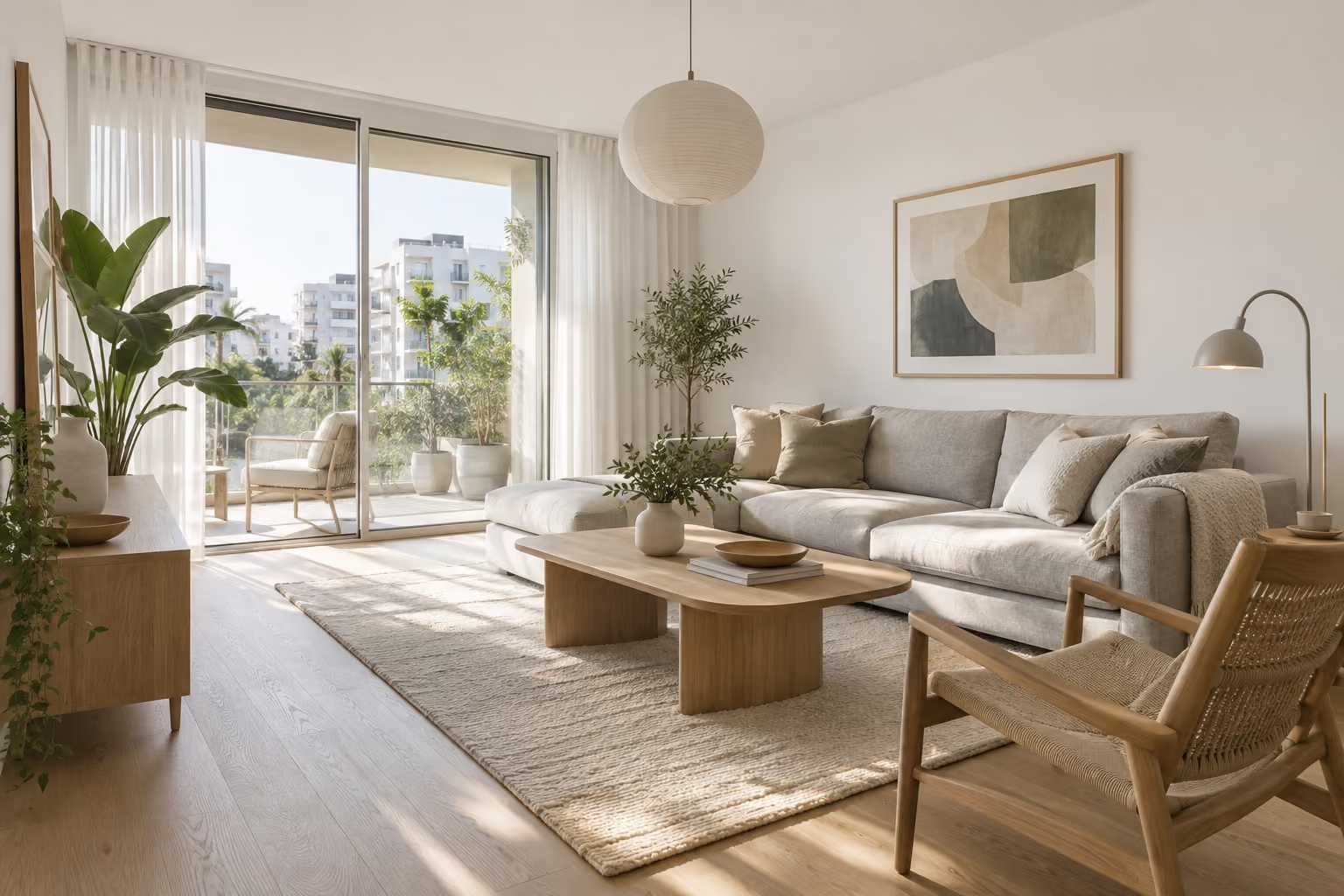
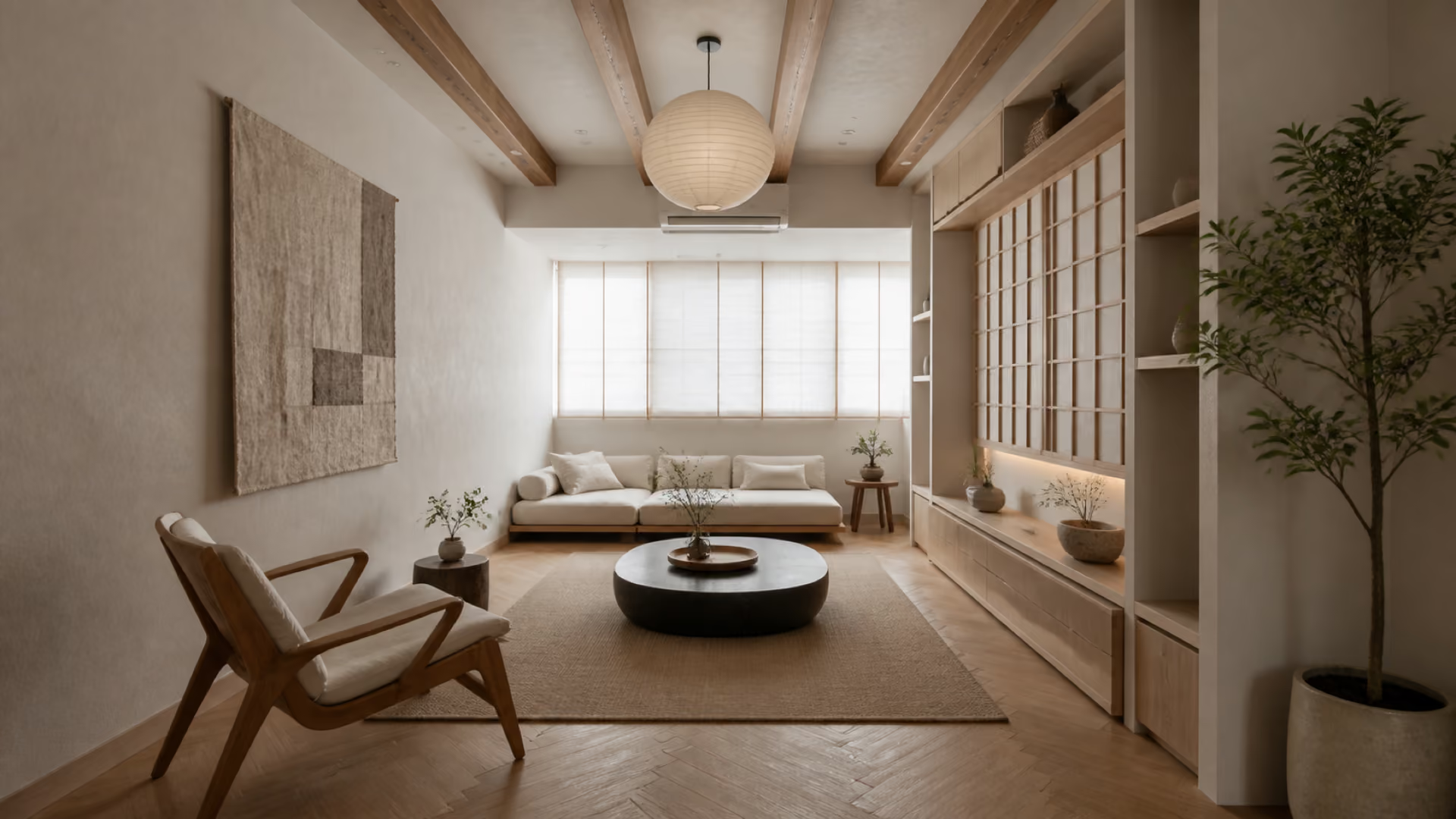
The fusion of Japanese minimalism and Scandinavian function — warm, calm, natural and pared-back. A favourite for those seeking serenity, and one that pairs perfectly with natural materials and warm lighting.
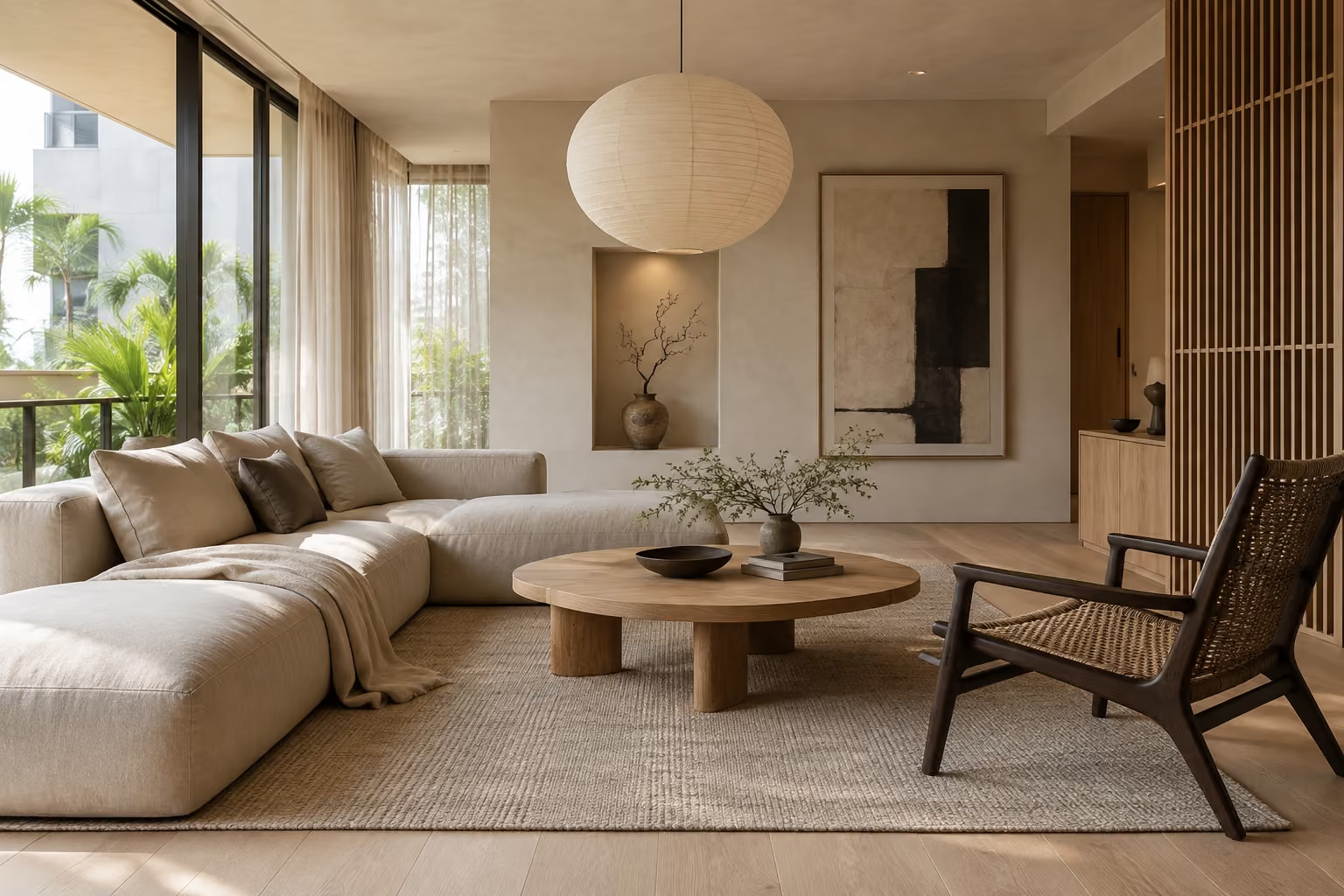
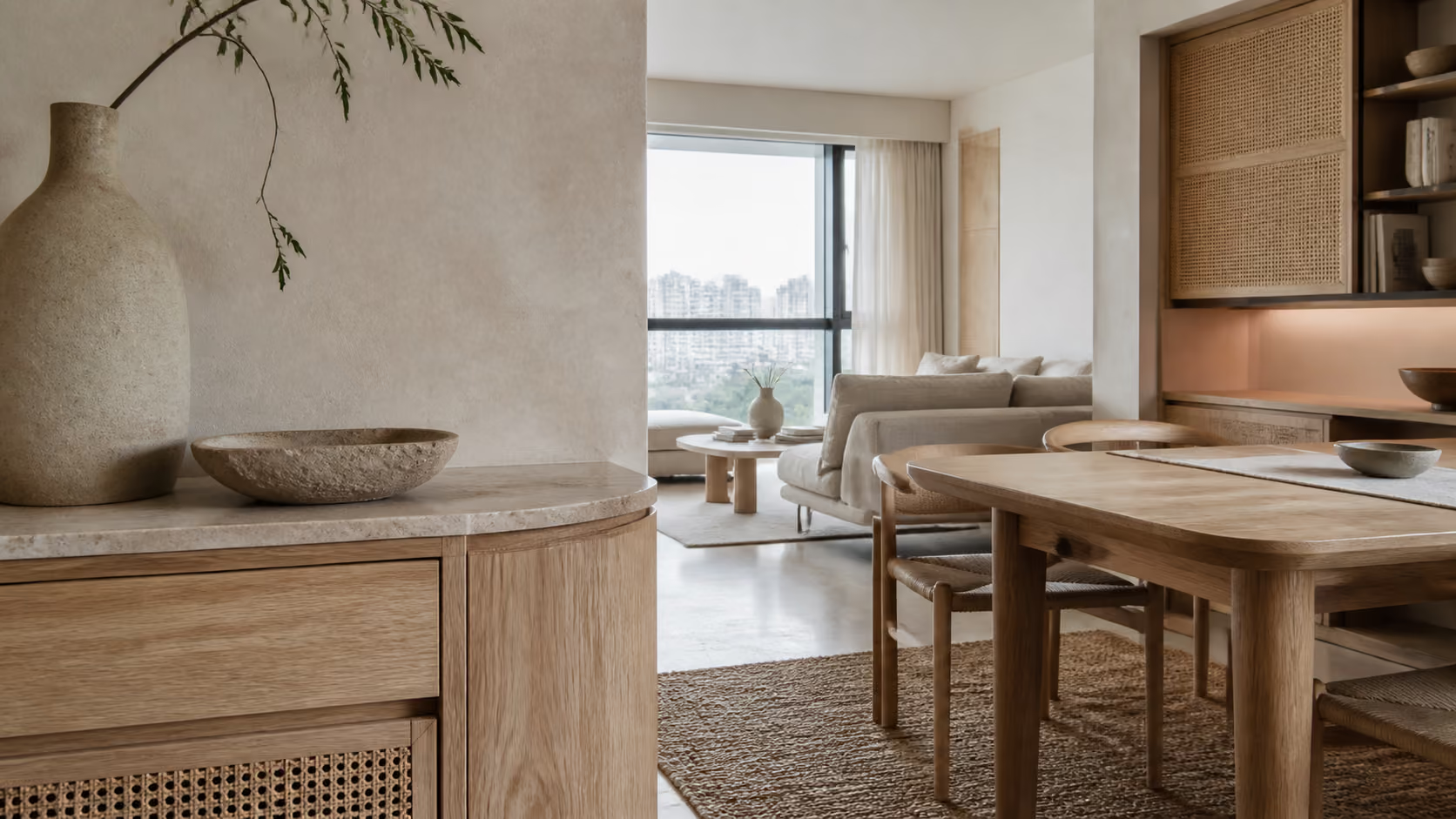
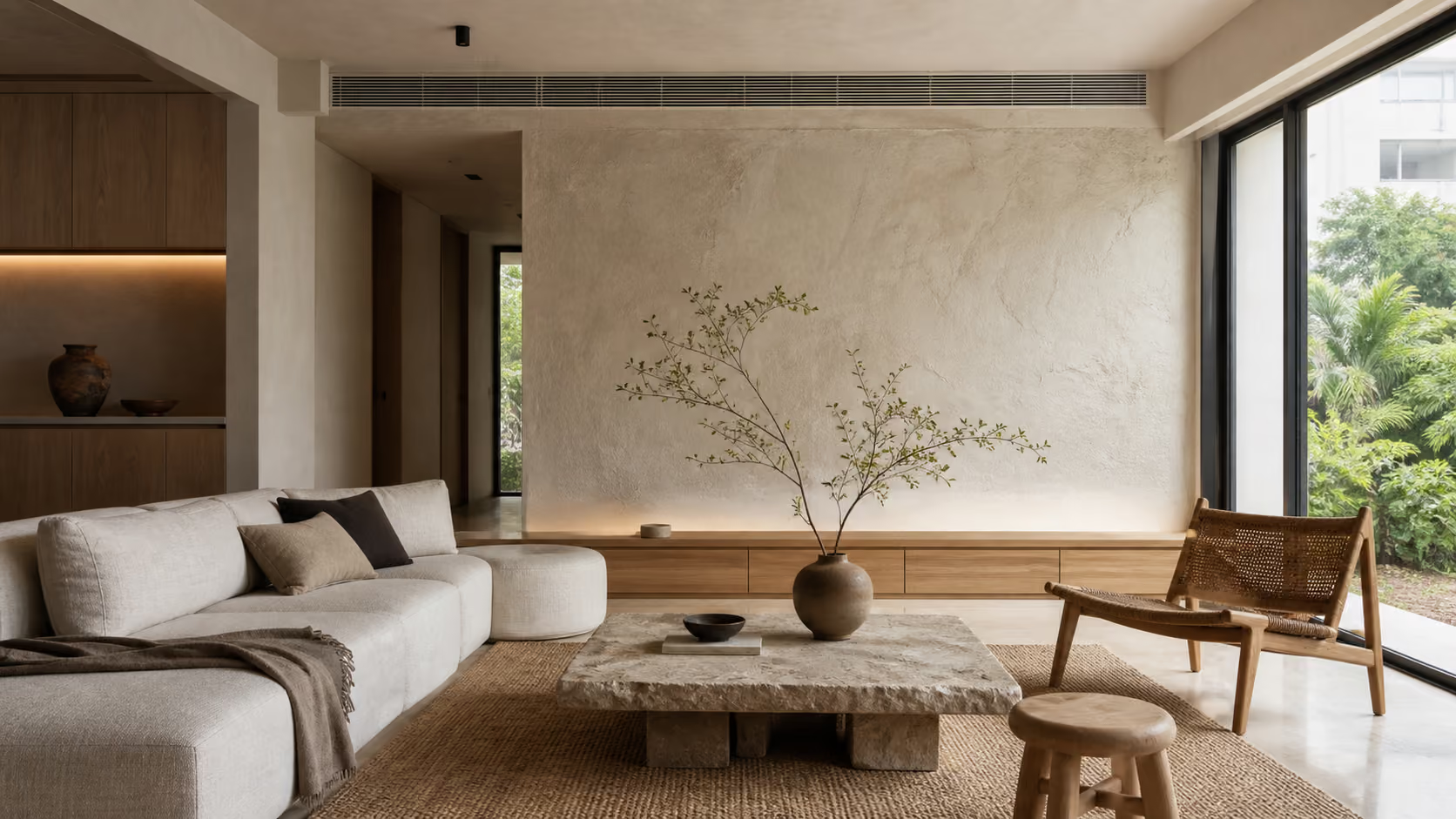
An organic, imperfect, deeply calming style that celebrates natural texture, earthy tones and handmade character. Ideal for homeowners craving a grounded, tactile sanctuary. If Japandi and Wabi-Sabi both appeal, our Wabi-Sabi vs Japandi guide explains the differences.
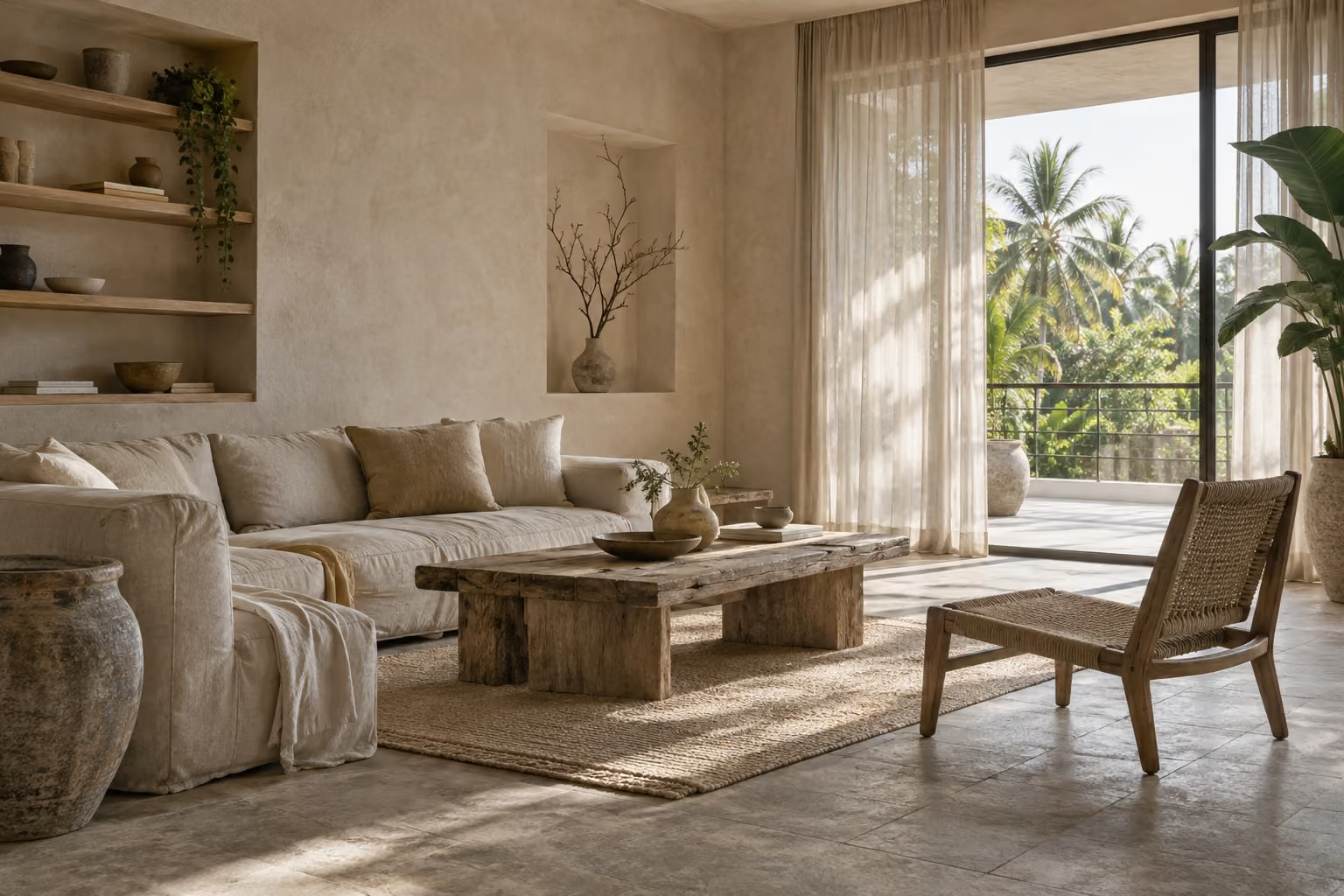
Choosing an interior design style is one of the most exciting parts of creating a home — and, for many homeowners, one of the most overwhelming. With endless inspiration online and dozens of beautiful styles to choose from, it's easy to feel paralysed, or to end up with a home that borrows a little of everything and feels cohesive in none.
The truth is that your interior design style shapes everything that follows: your layout, materials, colours, furniture and lighting. Getting it right from the start gives your entire renovation a clear direction, saves you from costly changes, and results in a home that feels intentional and harmonious.
But "getting it right" doesn't mean picking the most fashionable look. It means finding the style that genuinely reflects who you are, suits how your family lives, and works within your home and budget. A style chosen for those reasons will feel timeless and personal — not dated in a few years.
This guide walks you through exactly how to choose an interior design style for your Singapore home. We'll cover how to discover your taste, the practical factors that should shape your decision, an overview of the styles most popular here, and how to narrow it all down into a confident choice.
At Luxior Concept, we believe your home should be a reflection of you. Our role isn't to impose a look, but to help you uncover the style that feels authentically yours — and then bring it to life beautifully.
Not sure which style fits your home and budget? Use Luxior’s renovation cost calculator, then share your floor plan, lifestyle and preferences on WhatsApp for a more tailored starting point.

It's tempting to jump straight into picking furniture and finishes, but defining your style first pays off enormously. Here's why it matters:
Think of your style as the thread that ties your whole home together. Everything else, from a considered space plan to your material palette and lighting, hangs from it.
The best place to start isn't a style label, it's images. Before you worry about naming a style, immerse yourself in inspiration and let your instincts lead.
Collect freely. Save interiors you love from Pinterest, Instagram, magazines and design websites. Don't overthink it; save anything that draws you in, whether it's a whole room or a single detail.
Then look for patterns. Once you have twenty or thirty images, step back and study them. You'll almost always spot recurring themes:
These patterns reveal your true taste far more reliably than any quiz. The style you're drawn to is usually hiding in plain sight within the images you keep choosing.
✅ Expert Tip: Pay attention to the feeling each image gives you, not just the look. The emotional response — calm, cosy, energised, elegant — is the clearest guide to the atmosphere you want your own home to have.
A beautiful style that doesn't fit your life will frustrate you daily. Before committing, honestly assess how you and your household actually live.
Ask yourself:
Matching your style to your lifestyle is what makes a home not just beautiful, but genuinely liveable. A style that photographs well but fights your daily habits rarely brings lasting satisfaction.
At Luxior Concept, we recommend being honest about how you really live rather than how you aspire to live. The most successful homes are designed around real routines, then elevated with beauty, not the other way around.
Your flat itself has a character and constraints that should inform your style choice. Working with your home rather than against it always produces a more harmonious result.
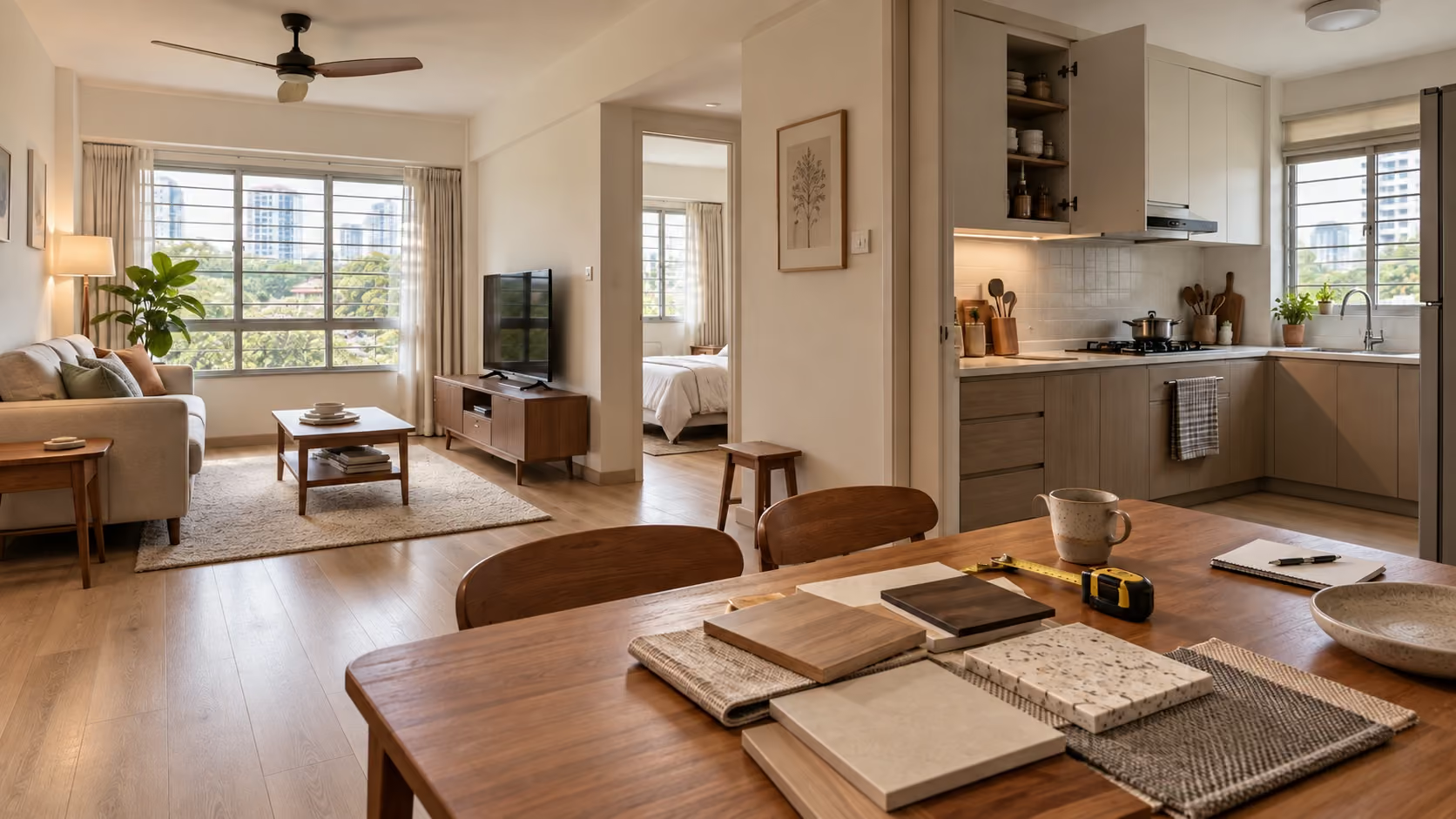
Flat type and size. A compact HDB flat, a larger executive apartment, and a landed home each lend themselves to different approaches. Light, pared-back styles like Scandinavian, Japandi and Minimalist make compact spaces feel larger and calmer, while grander styles with rich detail suit homes with more space and volume.
Natural light. Bright, sun-filled flats can carry cooler palettes and bolder contrast, while darker units benefit from warm, light-reflecting styles that brighten the space.
Existing architecture. Ceiling height, window size, layout and any original features all influence which styles feel natural. A style that complements your home's bones will always feel more authentic than one imposed on top.
Singapore's climate. Our warm, humid, bright environment naturally suits airy, light and nature-connected styles — which is part of why Scandinavian, Japandi, Wabi-Sabi and resort-inspired looks are so popular here.
Choosing a style that flatters your specific home makes the whole space feel considered and cohesive rather than forced.
Style and budget are deeply connected, and being realistic here prevents disappointment later.
Budget. Some styles are inherently more costly to execute. Rich, detailed or highly customised looks, think Modern Luxe or classical styles with intricate mouldings and premium materials, require a larger budget. Pared-back styles like Minimalist and Scandinavian can be more accessible, though quality still matters. Understanding the cost implications of your chosen style early helps you plan a realistic renovation. Our renovation budget guide can help you set the right figure.
Maintenance. Different styles demand different upkeep. Glossy, high-detail or all-white schemes show marks and require more cleaning; warmer, textured, natural styles are more forgiving of everyday life. Consider how much time and effort you're genuinely willing to spend keeping your home looking its best.
Longevity. Trend-led styles can look striking now but date quickly. Investing your permanent budget in a timeless foundation, and reserving trends for easily updated details — protects your investment over time.
At Luxior Concept, we recommend aligning your style ambition with your budget and lifestyle from the outset. A well-executed simpler style always looks better than an over-reached complex one that had to cut corners.
Style becomes easier to choose when you understand the materials, lighting and philosophy behind it. Compare our Wabi-Sabi vs Japandi guide, explore lighting for calm interiors, review natural material options, and use our renovation budget guide before committing to a direction.
Here's an overview of the styles most loved by Singapore homeowners, to help you recognise where your taste sits.
Clean lines, neutral palettes and a sleek, current feel. Contemporary interiors are versatile, timeless and hugely popular in Singapore for their balance of style and practicality.
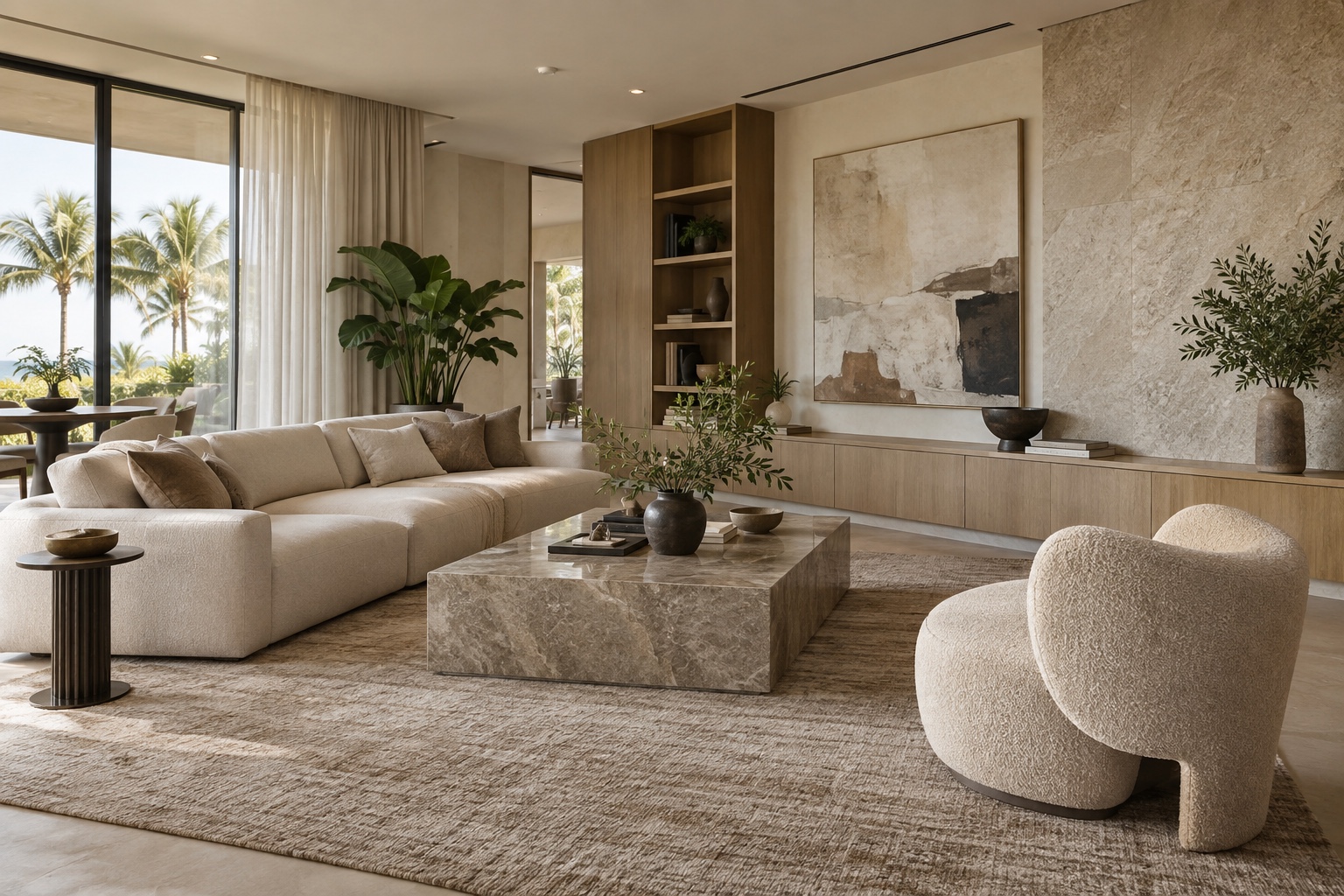
Light woods, white walls, soft textiles and a bright, airy simplicity. Scandinavian design is warm yet minimal, and works beautifully in compact, light-filled flats.
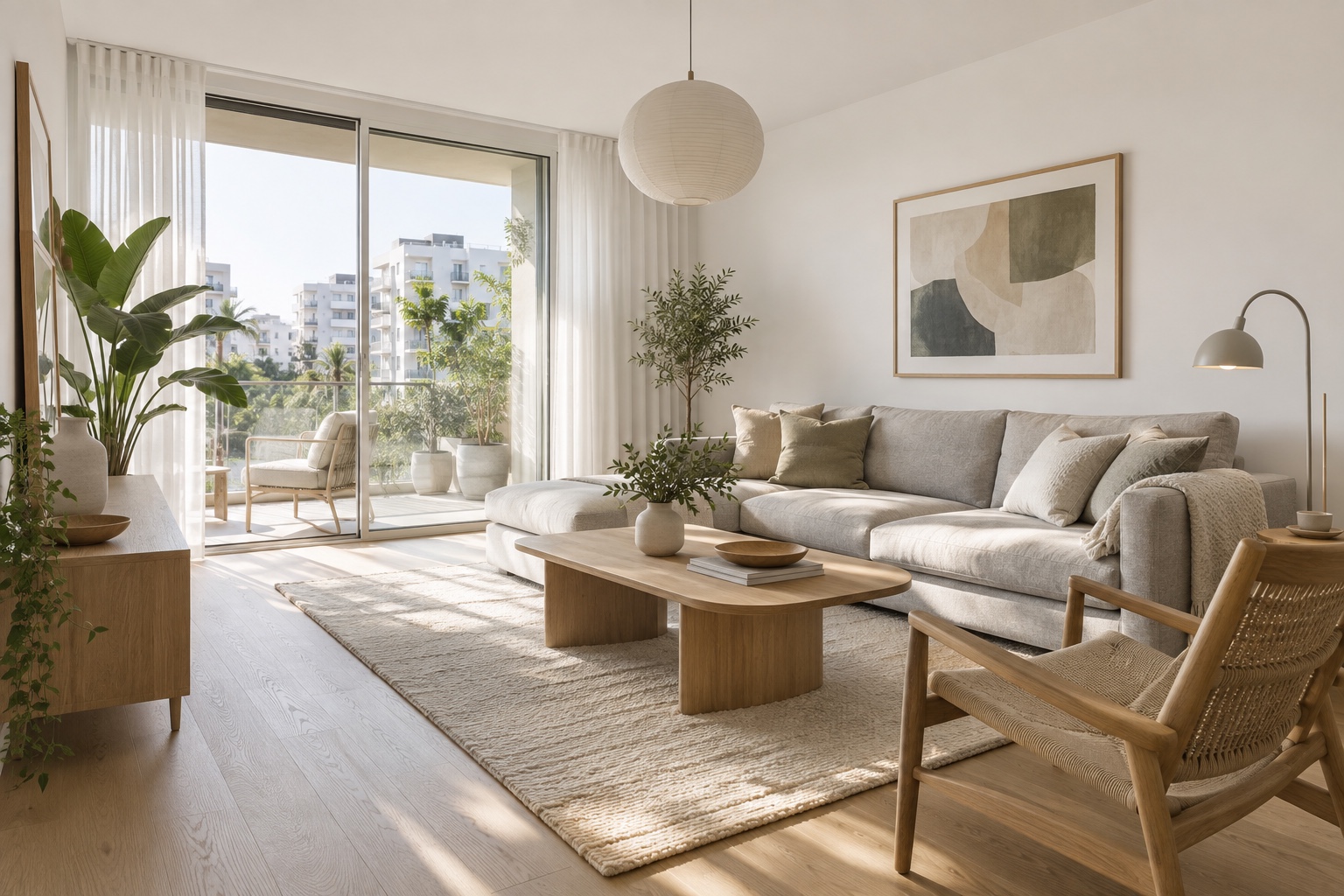
The fusion of Japanese minimalism and Scandinavian function, warm, calm, natural and pared-back. A favourite for those seeking serenity, and one that pairs perfectly with natural materials and warm lighting.
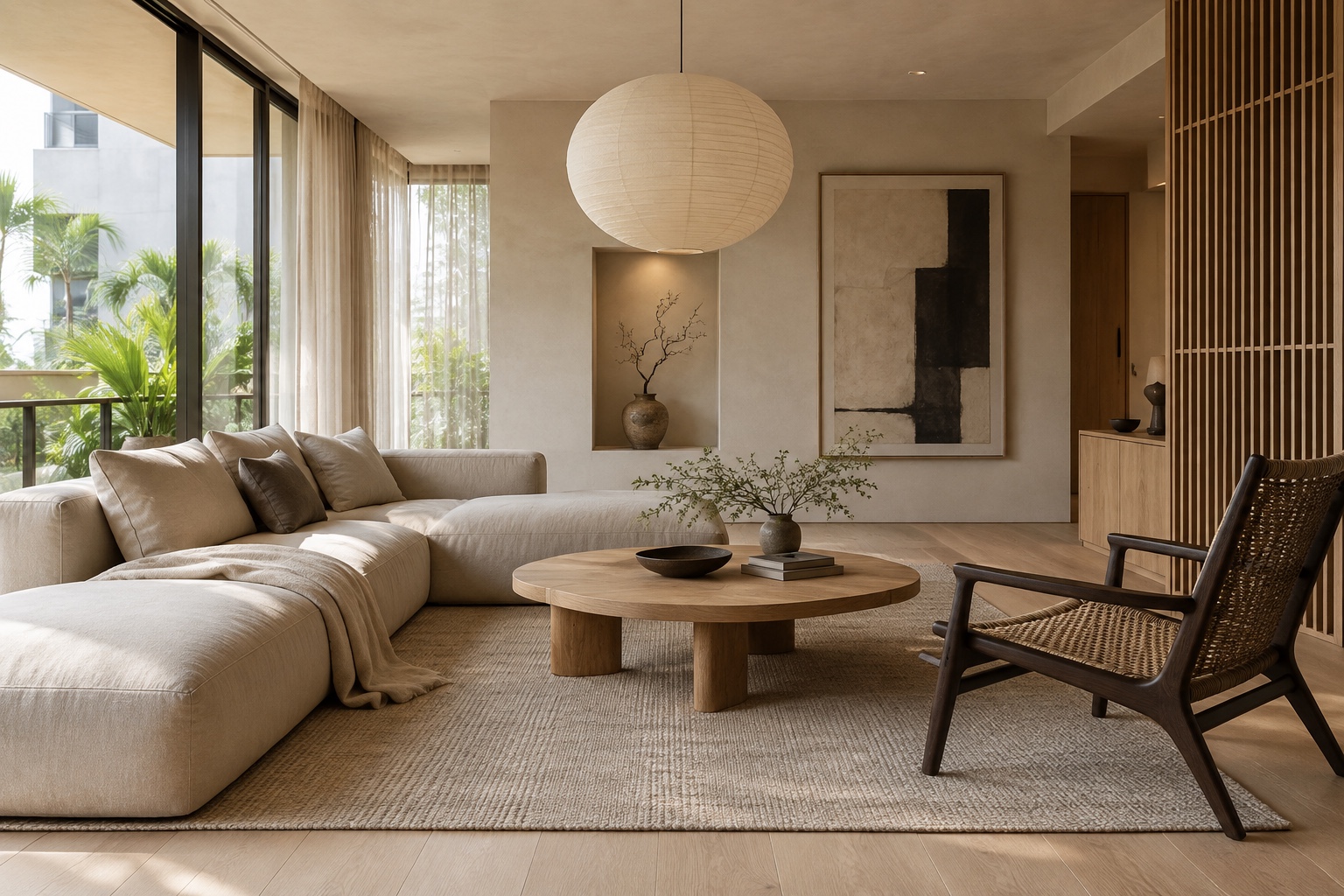
An organic, imperfect, deeply calming style that celebrates natural texture, earthy tones and handmade character. Ideal for homeowners craving a grounded, tactile sanctuary. If Japandi and Wabi-Sabi both appeal, our Wabi-Sabi vs Japandi guide explains the differences.
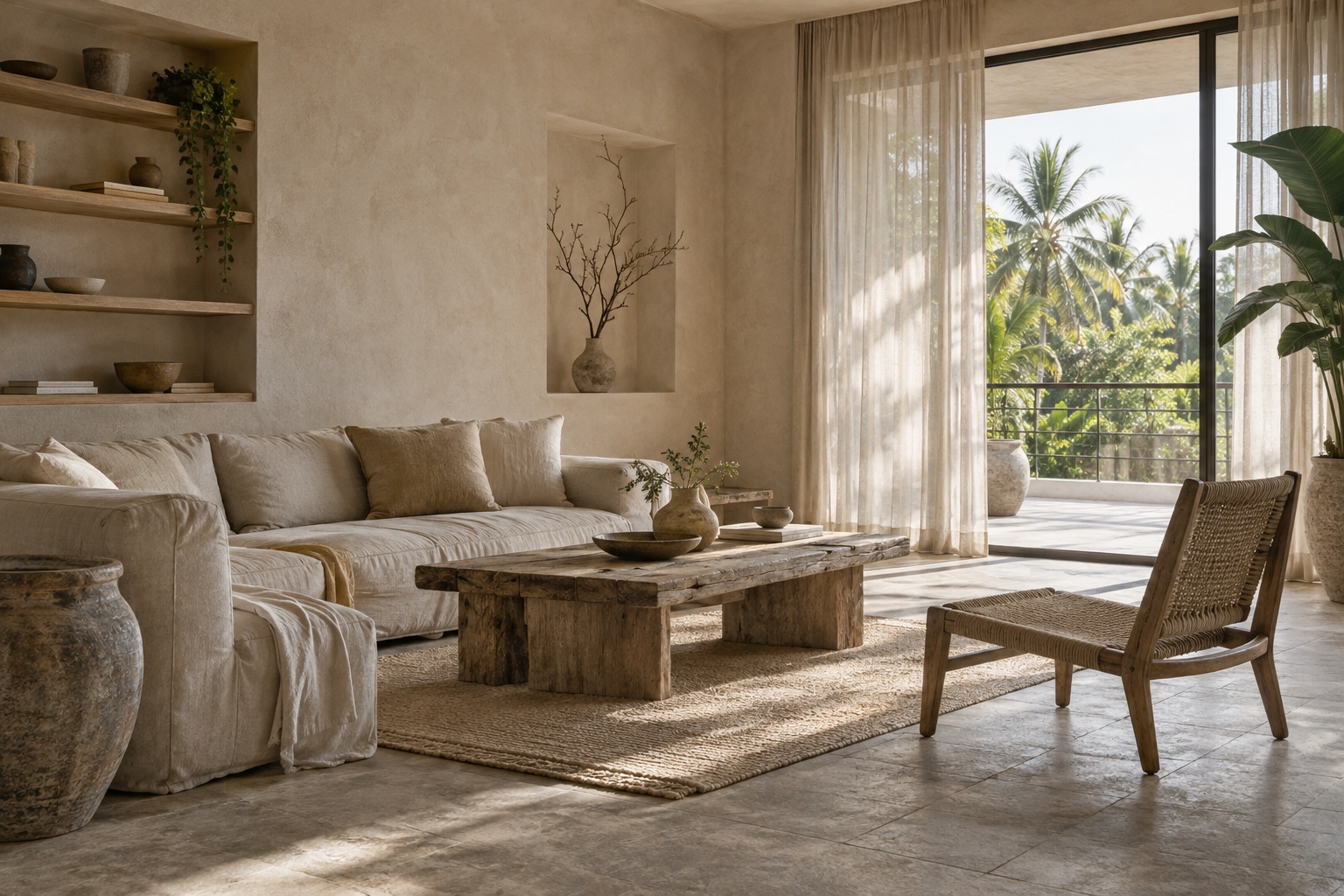
"Less is more" taken to its essence: clean, uncluttered, functional and serene. Minimalism suits disciplined homeowners who value calm and order, and it makes small spaces feel expansive.
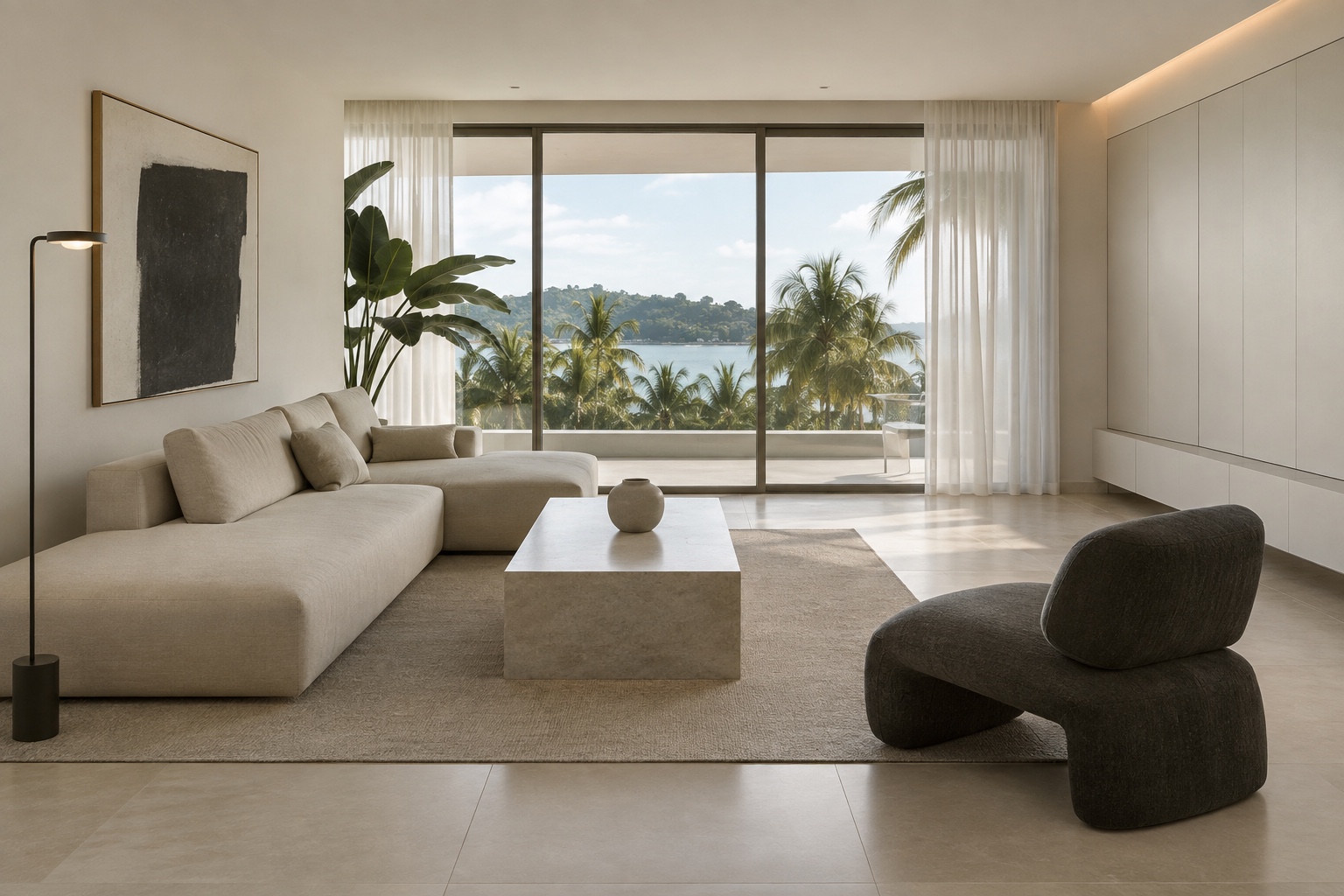
Refined, elegant and sophisticated, with premium materials, rich textures and statement details. Modern Luxe suits those who want a sense of understated luxury and have the budget to match.

Raw materials, exposed textures, darker tones and an urban, loft-like edge. Industrial style brings character and boldness, and works well in homes that can carry its heavier palette.
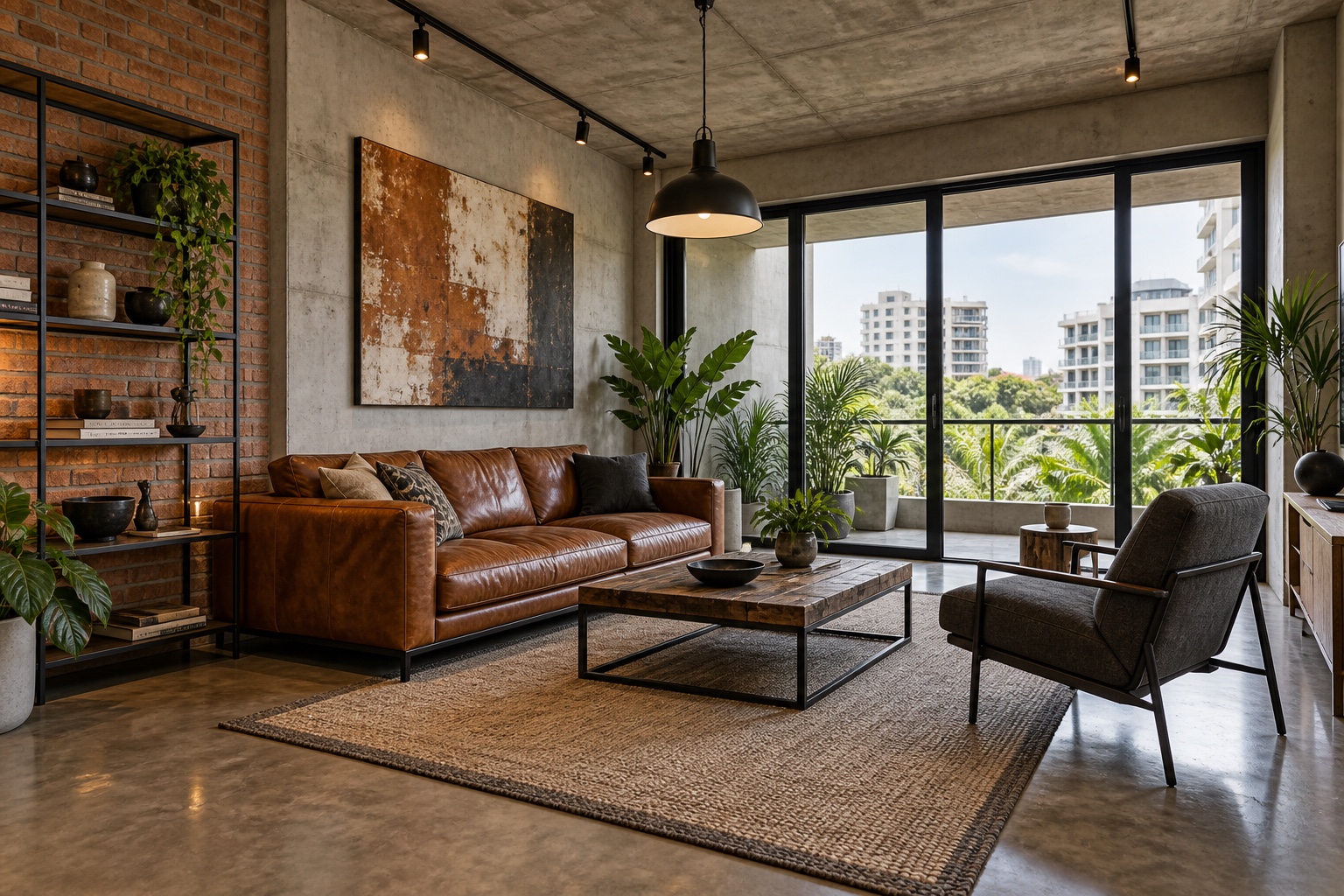
Warm woods, clean retro-inspired silhouettes and a timeless, characterful appeal. Mid-Century Modern blends beautifully with contemporary and Scandinavian elements.

Airy, relaxed and nature-connected, with natural materials, greenery and a holiday-at-home feel. Perfectly suited to Singapore's climate and popular for creating a calm retreat.
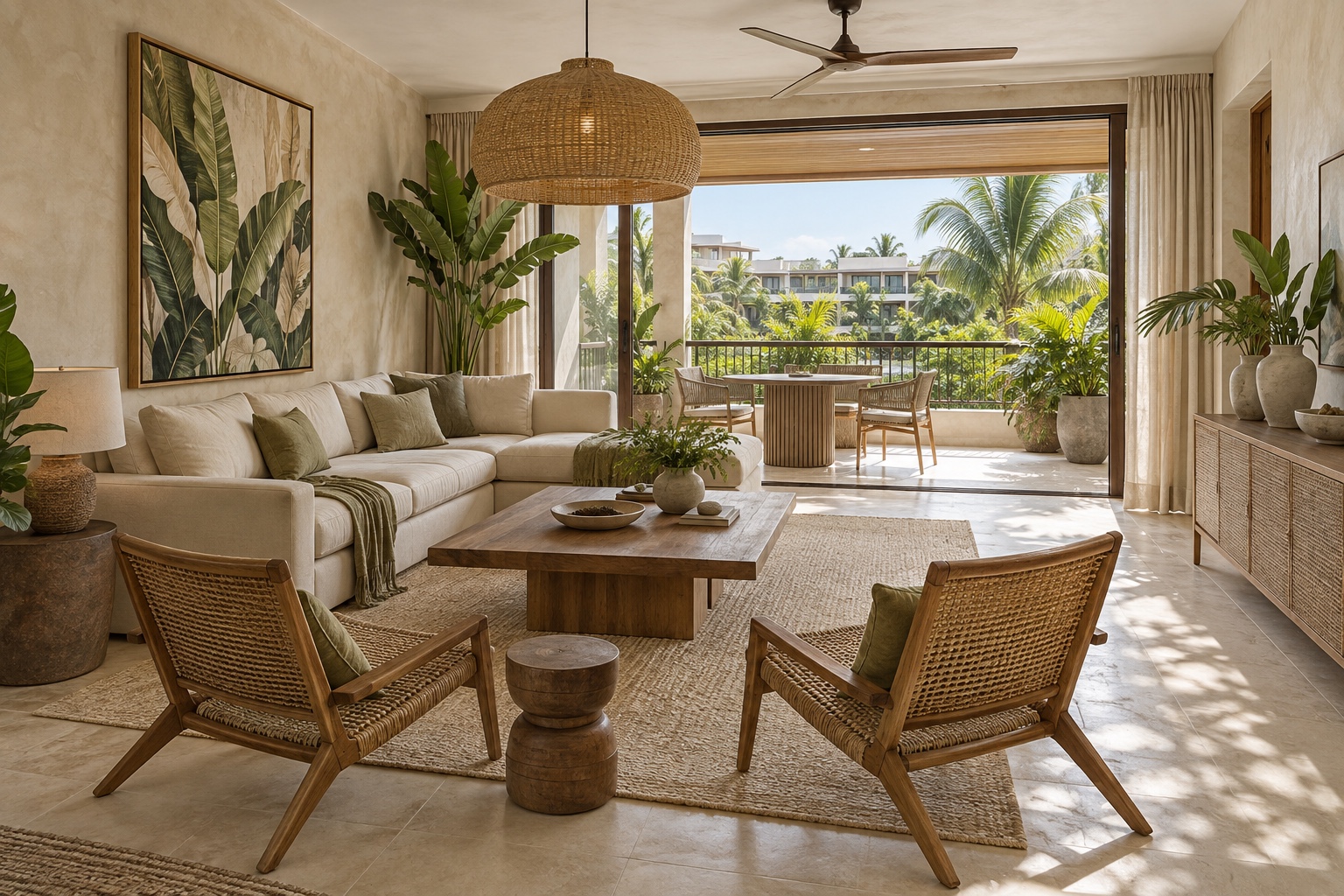
Timeless elegance that blends traditional detailing with modern comfort. Transitional style offers a balanced, enduring look for those who love a touch of the classic without it feeling dated.
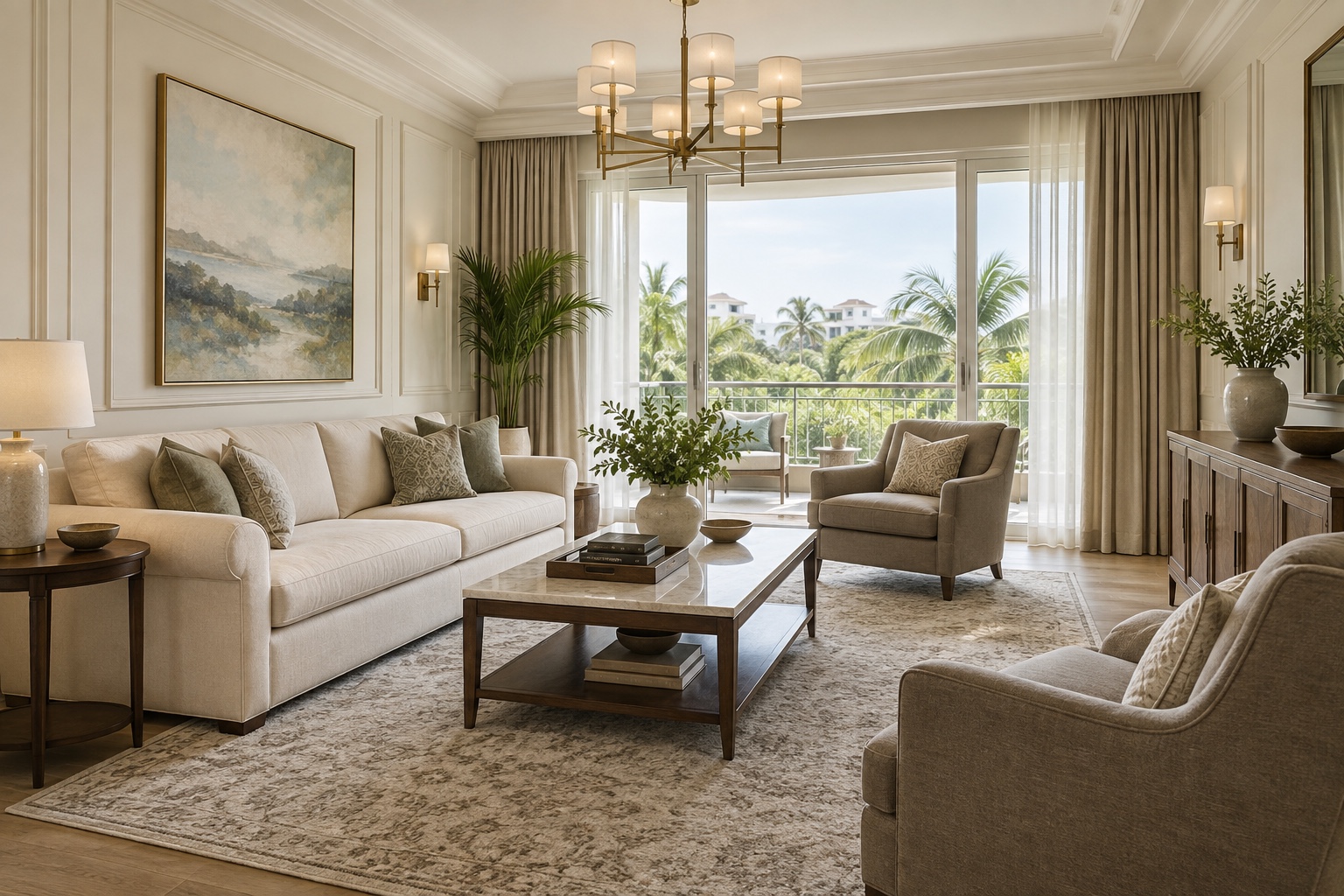
With a sense of your taste and the styles available, it's time to focus. A few techniques help you commit.
Match patterns to labels. Compare the recurring themes from your inspiration (Step 1) with the style descriptions above. Usually one or two will clearly resonate.
Test against your lifestyle. For each shortlisted style, ask honestly: does this suit how my family actually lives, my flat, my budget and my maintenance tolerance? Eliminate any that fail this test, however pretty.
Look for a timeless core. Favour a style or a calm, adaptable foundation, you'll still love in ten years, then plan to layer personality and trends on top.
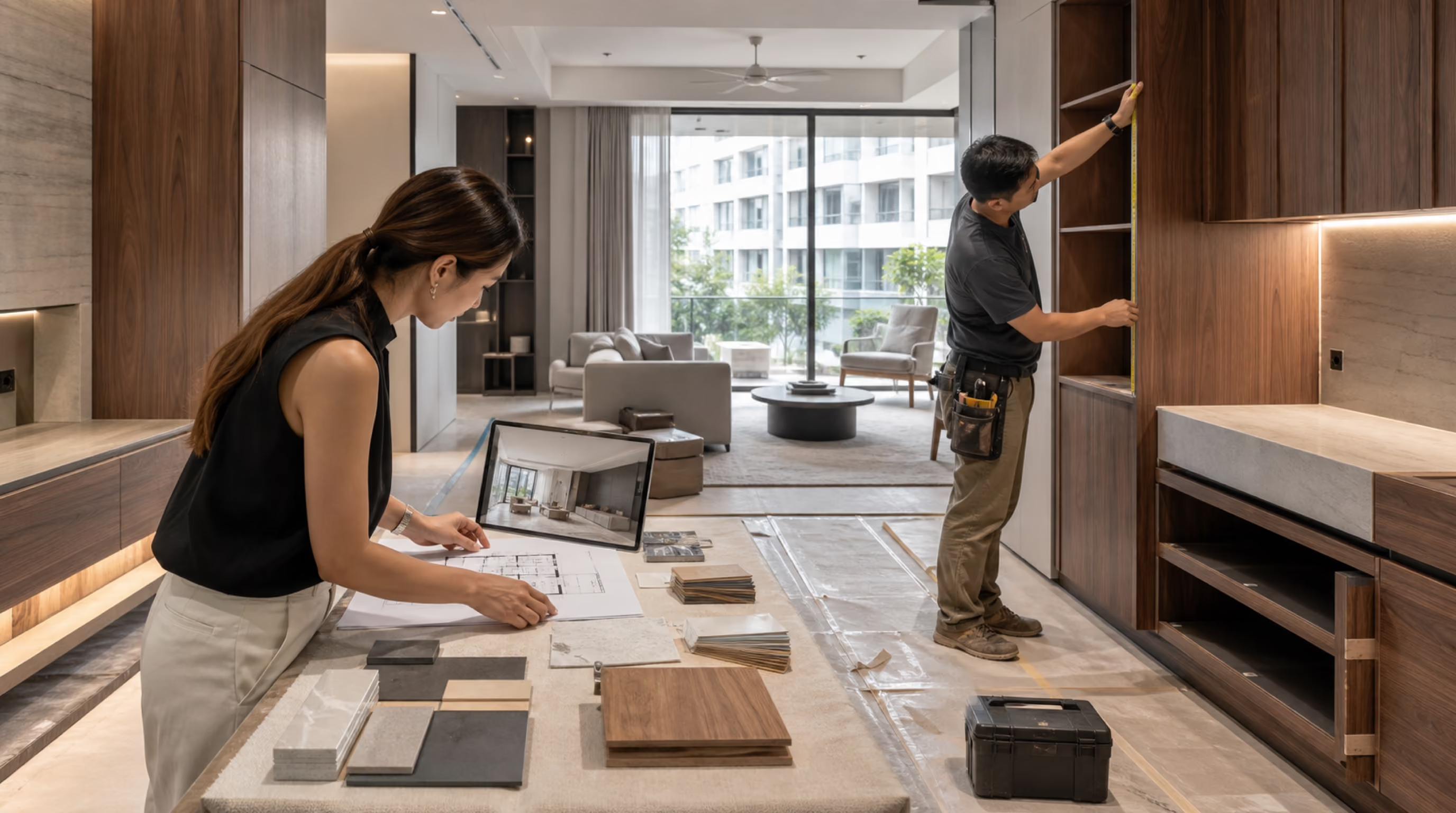
Consult a professional. An experienced designer can quickly interpret your inspiration, translate it into a coherent scheme, and flag practical considerations you might miss. This is often the fastest route from "I like lots of things" to "this is my style."
At Luxior Concept, we recommend choosing one primary style as your anchor rather than trying to satisfy every look you admire. A clear anchor creates cohesion; you can always weave in secondary influences thoughtfully.
You don't have to choose just one style rigidly, many of the most beautiful homes blend two complementary looks. The key is doing it deliberately.
Choose a dominant style. Let one style lead (say 70%) and a second play a supporting role (30%). This keeps the home cohesive rather than chaotic.
Find common ground. Blend styles that share a palette or philosophy, Scandinavian and Japandi, or Contemporary and Minimalist, pair naturally because they share clean lines and restraint.
Keep a consistent palette. A shared colour and material palette ties different influences together into one harmonious whole.
Edit ruthlessly. When combining styles, restraint is essential. Too many competing elements erode the calm and cohesion you're aiming for.
Done well, combining styles gives your home a personal, curated character that feels uniquely yours rather than copied from a catalogue.
Chasing trends over timelessness. Building your permanent, expensive elements around a fleeting trend leads to a home that dates quickly. Keep foundations timeless.
Copying a look exactly. Recreating someone else's home rarely fits your space or life. Use inspiration as a starting point, then adapt it to you.
Ignoring your lifestyle. A style that clashes with how you actually live becomes a daily source of friction. Function and beauty must work together.
Mixing too many styles. Borrowing a little of everything creates visual noise. Anchor to one primary style and add influences with restraint.
Forgetting cohesion between rooms. Each room styled in isolation makes a home feel disjointed. Maintain a consistent thread throughout.
Skipping professional input when unsure. Struggling alone often leads to costly missteps. A designer can save time, money and regret.
Use this checklist to move confidently from inspiration to a defined style.
Discover your taste
Weigh the practical factors
Decide and refine
At Luxior Concept, we recommend completing this checklist before you start selecting materials or furniture. A defined style is the foundation every other renovation decision rests on.
Choosing an interior design style is really an act of self-discovery. The goal isn't to chase the latest trend or copy a picture-perfect room — it's to uncover the look and feeling that genuinely reflect you, and that support the way your family lives.
Gather inspiration, notice your patterns, weigh your lifestyle, home and budget honestly, and anchor to a timeless foundation you'll love for years. Do this, and every subsequent decision — layout, materials, colour, lighting — falls into place around a clear, confident direction.
Your home should feel unmistakably yours. With a well-chosen style guiding the way, it will.
For more inspiration, browse Luxior.com.sg to see how different styles come to life across a range of Singapore homes.
Every home is unique, and every style should be tailored to your personality, lifestyle and space. Whether you're drawn to calm Japandi, bright Scandinavian, refined Modern Luxe or something entirely your own, the team at Luxior Concept is here to help you discover and realise it.
Book a complimentary consultation today and discover how we can help you create a home that's built Beyond Standards.
Book a Free Consultation 👉 or message us directly on WhatsApp.
"Less is more" taken to its essence: clean, uncluttered, functional and serene. Minimalism suits disciplined homeowners who value calm and order, and it makes small spaces feel expansive.
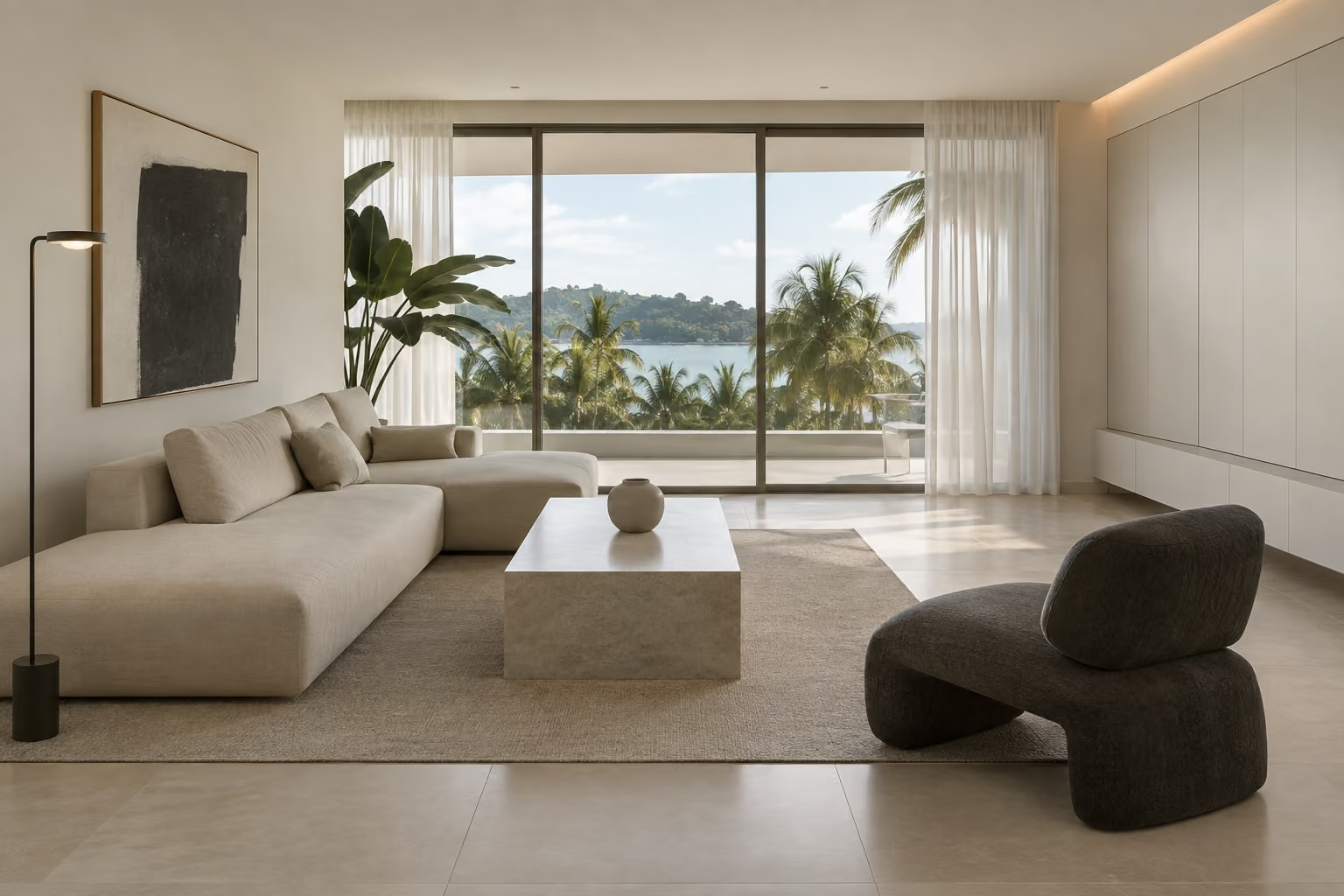
Refined, elegant and sophisticated, with premium materials, rich textures and statement details. Modern Luxe suits those who want a sense of understated luxury and have the budget to match.
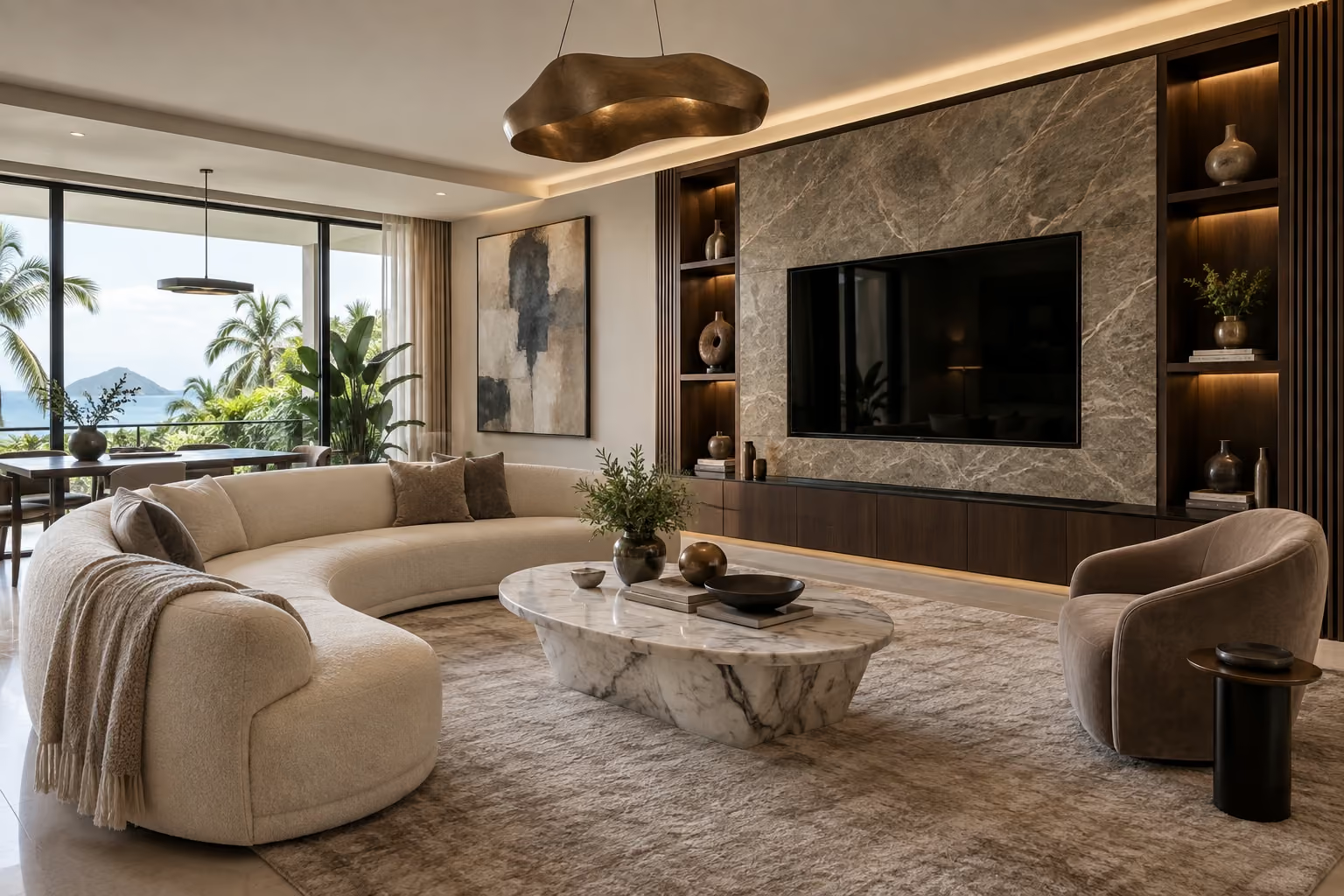
Raw materials, exposed textures, darker tones and an urban, loft-like edge. Industrial style brings character and boldness, and works well in homes that can carry its heavier palette.
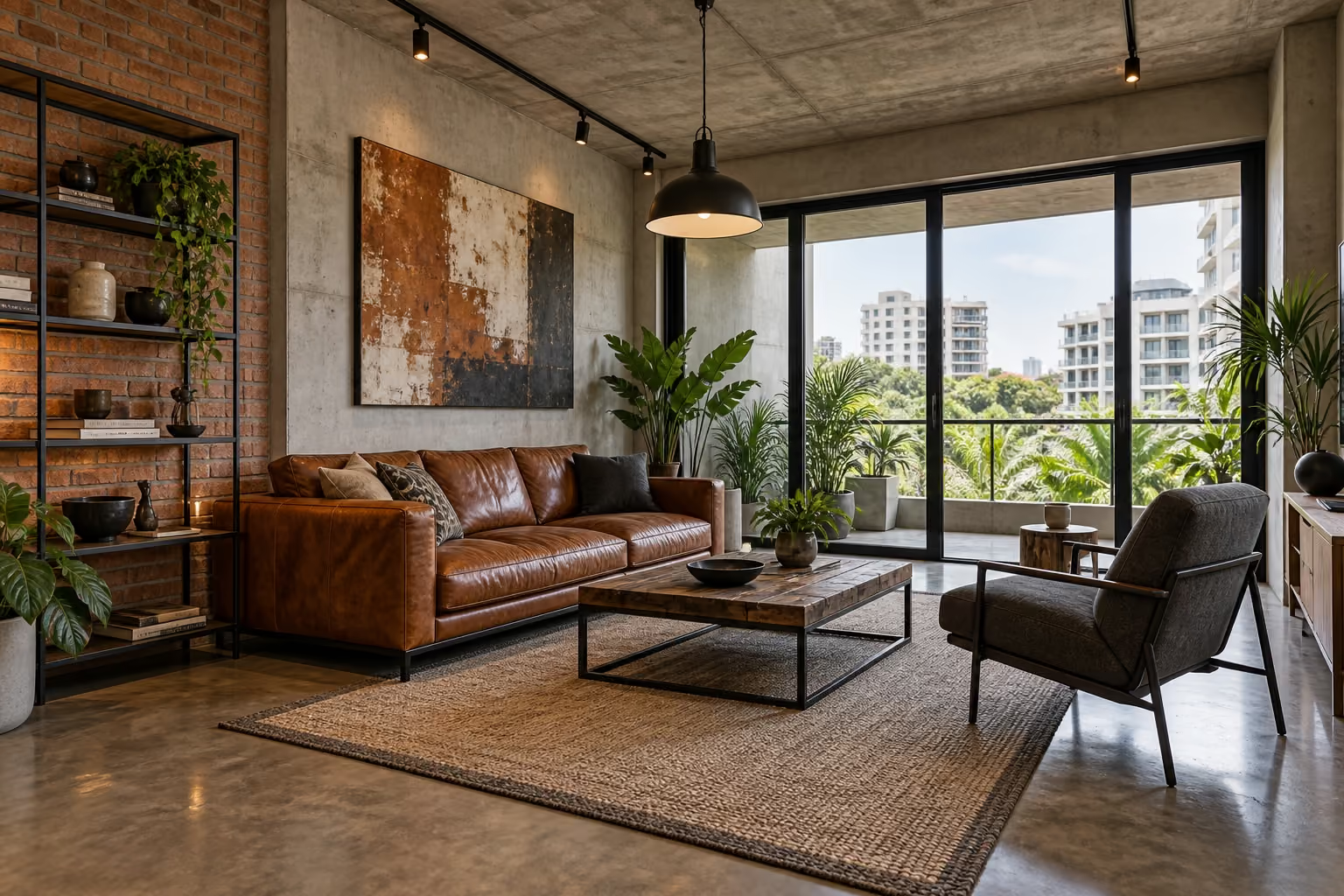
Warm woods, clean retro-inspired silhouettes and a timeless, characterful appeal. Mid-Century Modern blends beautifully with contemporary and Scandinavian elements.
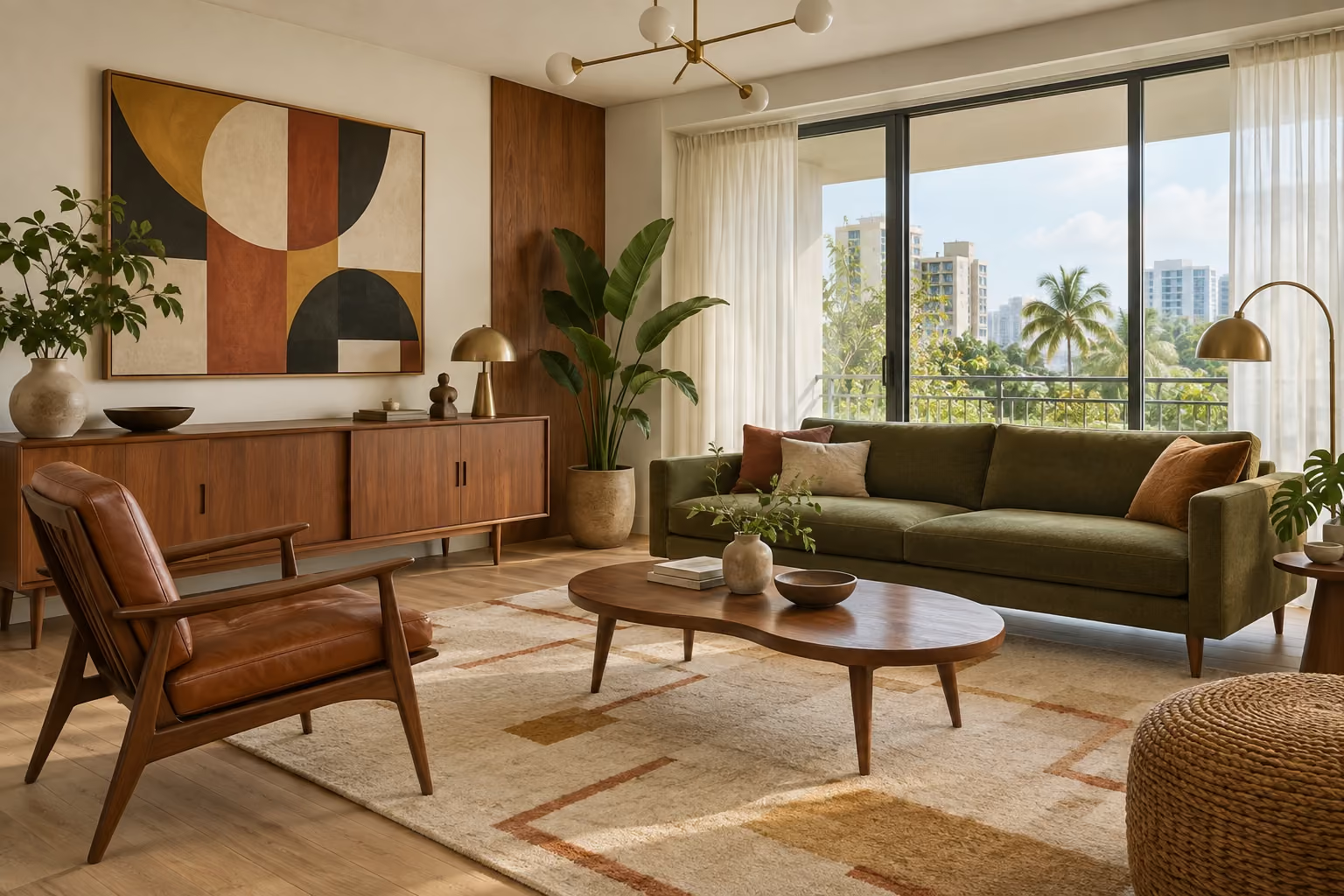
Airy, relaxed and nature-connected, with natural materials, greenery and a holiday-at-home feel. Perfectly suited to Singapore's climate and popular for creating a calm retreat.
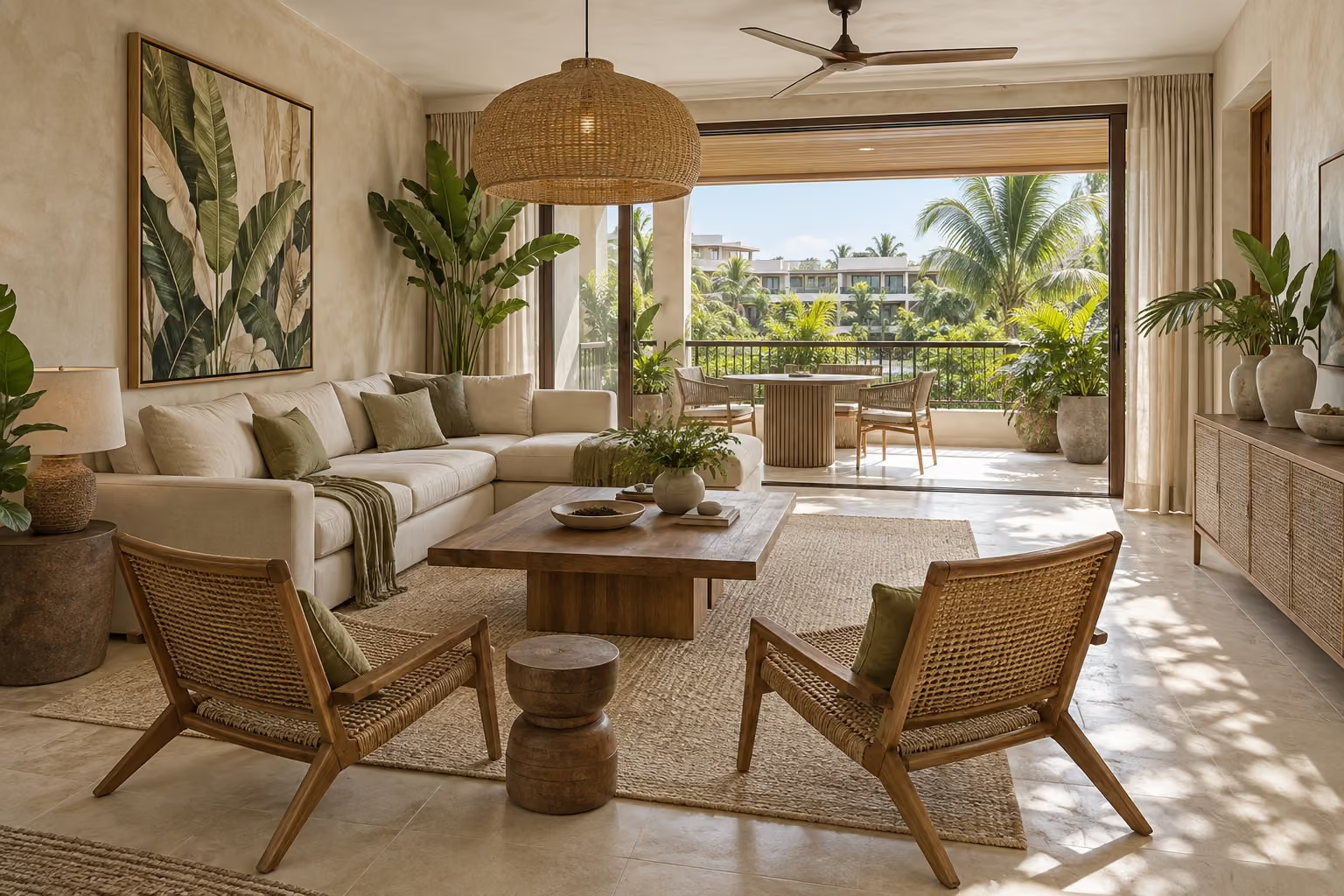
Timeless elegance that blends traditional detailing with modern comfort. Transitional style offers a balanced, enduring look for those who love a touch of the classic without it feeling dated.
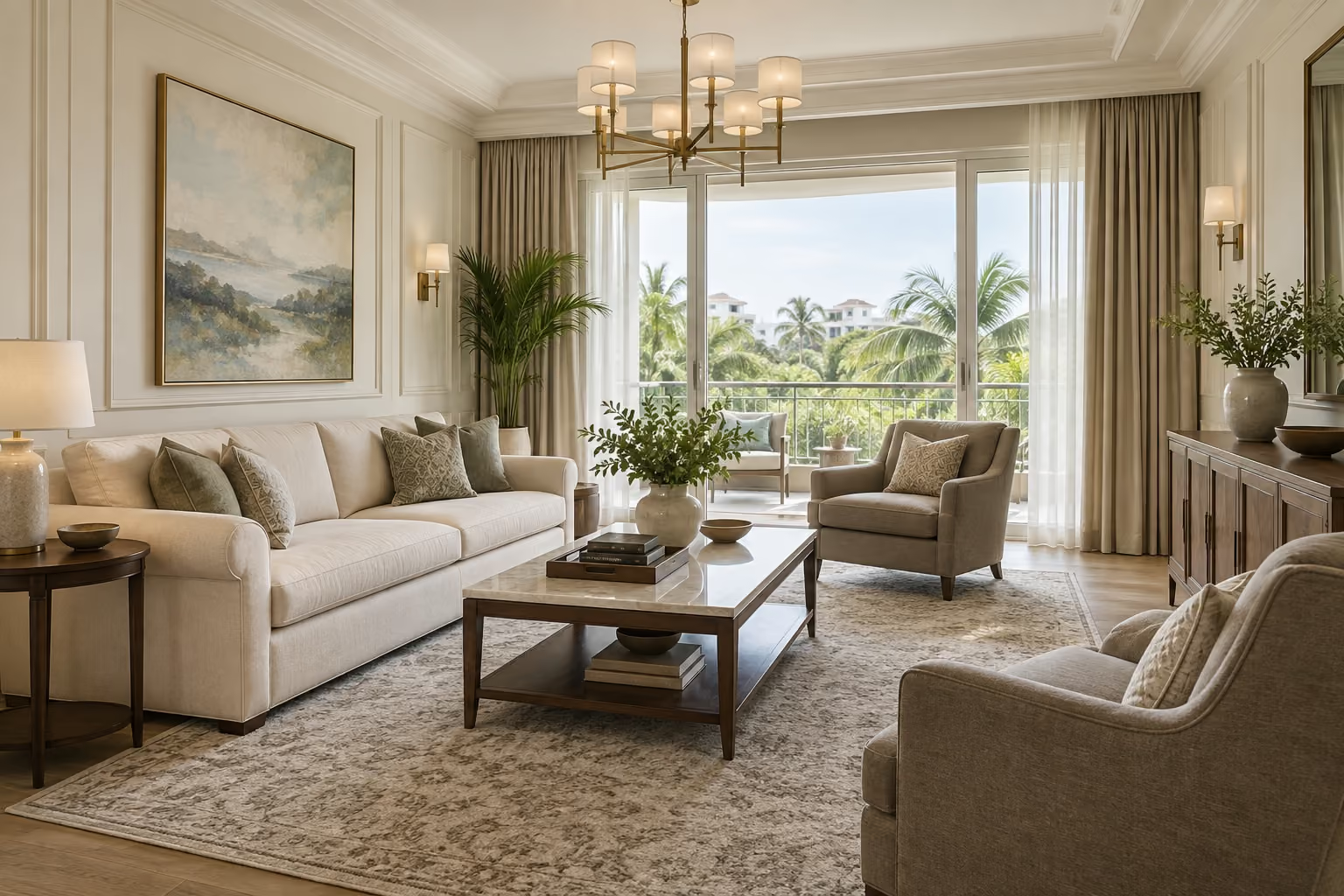
With a sense of your taste and the styles available, it's time to focus. A few techniques help you commit.
Match patterns to labels. Compare the recurring themes from your inspiration (Step 1) with the style descriptions above. Usually one or two will clearly resonate.
Test against your lifestyle. For each shortlisted style, ask honestly: does this suit how my family actually lives, my flat, my budget and my maintenance tolerance? Eliminate any that fail this test, however pretty.
Look for a timeless core. Favour a style or a calm, adaptable foundation, you'll still love in ten years, then plan to layer personality and trends on top.
Consult a professional. An experienced designer can quickly interpret your inspiration, translate it into a coherent scheme, and flag practical considerations you might miss. This is often the fastest route from "I like lots of things" to "this is my style."
At Luxior Concept, we recommend choosing one primary style as your anchor rather than trying to satisfy every look you admire. A clear anchor creates cohesion; you can always weave in secondary influences thoughtfully.
You don't have to choose just one style rigidly — many of the most beautiful homes blend two complementary looks. The key is doing it deliberately.
Choose a dominant style. Let one style lead (say 70%) and a second play a supporting role (30%). This keeps the home cohesive rather than chaotic.
Find common ground. Blend styles that share a palette or philosophy — Scandinavian and Japandi, or Contemporary and Minimalist, pair naturally because they share clean lines and restraint.
Keep a consistent palette. A shared colour and material palette ties different influences together into one harmonious whole.
Edit ruthlessly. When combining styles, restraint is essential. Too many competing elements erode the calm and cohesion you're aiming for.
Done well, combining styles gives your home a personal, curated character that feels uniquely yours rather than copied from a catalogue.
Chasing trends over timelessness. Building your permanent, expensive elements around a fleeting trend leads to a home that dates quickly. Keep foundations timeless.
Copying a look exactly. Recreating someone else's home rarely fits your space or life. Use inspiration as a starting point, then adapt it to you.
Ignoring your lifestyle. A style that clashes with how you actually live becomes a daily source of friction. Function and beauty must work together.
Mixing too many styles. Borrowing a little of everything creates visual noise. Anchor to one primary style and add influences with restraint.
Forgetting cohesion between rooms. Each room styled in isolation makes a home feel disjointed. Maintain a consistent thread throughout.
Skipping professional input when unsure. Struggling alone often leads to costly missteps. A designer can save time, money and regret.
Use this checklist to move confidently from inspiration to a defined style.
Discover your taste
Weigh the practical factors
Decide and refine
At Luxior Concept, we recommend completing this checklist before you start selecting materials or furniture. A defined style is the foundation every other renovation decision rests on.
Choosing an interior design style is really an act of self-discovery. The goal isn't to chase the latest trend or copy a picture-perfect room — it's to uncover the look and feeling that genuinely reflect you, and that support the way your family lives.
Gather inspiration, notice your patterns, weigh your lifestyle, home and budget honestly, and anchor to a timeless foundation you'll love for years. Do this, and every subsequent decision — layout, materials, colour, lighting — falls into place around a clear, confident direction.
Your home should feel unmistakably yours. With a well-chosen style guiding the way, it will.
For more inspiration, browse Luxior.com.sg to see how different styles come to life across a range of Singapore homes.
Every home is unique, and every style should be tailored to your personality, lifestyle and space. Whether you're drawn to calm Japandi, bright Scandinavian, refined Modern Luxe or something entirely your own, the team at Luxior Concept is here to help you discover and realise it.
Book a complimentary consultation today and discover how we can help you create a home that's built Beyond Standards.
Book a Free Consultation 👉 or message us directly on WhatsApp.
Start with images, not labels. Save twenty to thirty interiors you love from Pinterest, Instagram or magazines without overthinking it, then look for recurring patterns, bright versus moody, warm woods versus cool greys, minimal versus layered. Pay attention to the feeling each image gives you, since that's a more reliable guide than any style quiz.
Yes. Light, pared-back styles like Scandinavian, Japandi and Minimalist tend to make compact flats feel larger and calmer, while grander styles with rich detail suit homes with more space. Natural light also matters, bright, sun-filled flats can carry cooler palettes, while darker units benefit from warm, light-reflecting finishes.
Some styles cost more to execute well. Rich, highly customised looks like Modern Luxe need a larger budget, while pared-back styles like Minimalist and Scandinavian are generally more accessible. It's worth understanding the cost implications of your preferred style early, and weighing maintenance too, since glossy or all-white schemes show marks and need more upkeep than warmer, textured finishes.Some styles cost more to execute well. Rich, highly customised looks like Modern Luxe need a larger budget, while pared-back styles like Minimalist and Scandinavian are generally more accessible. It’s worth understanding the cost implications of your preferred style early, and weighing maintenance too, since glossy or all-white schemes show marks and need more upkeep than warmer, textured finishes. For an initial planning range, use Luxior’s renovation cost calculator before finalising the style direction.



.avif)