Property Type & Space Planning
UrbanVille @ Woodlands Renovation
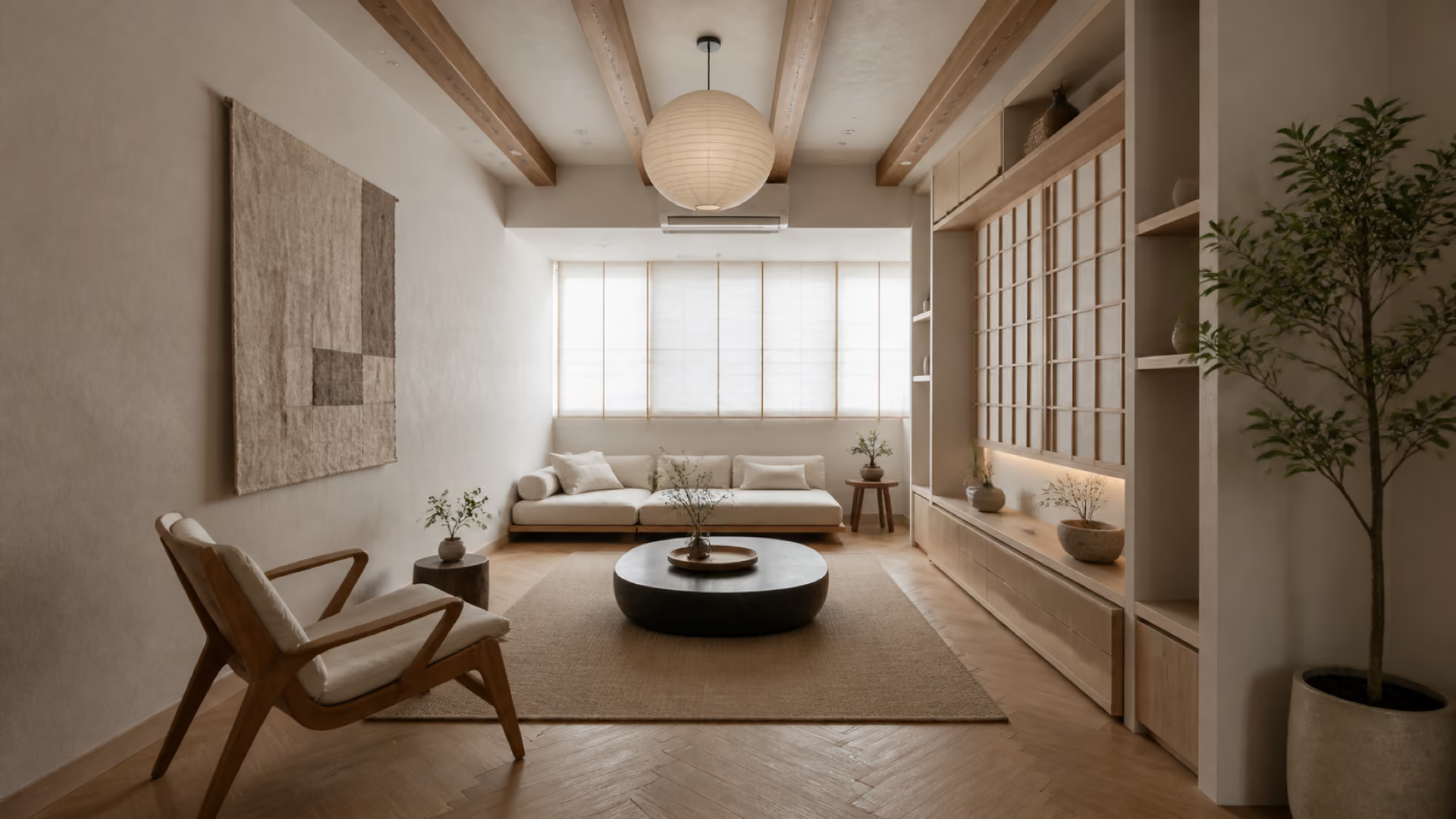
Use warm, soft, layered lighting that mimics natural daylight. Choose a warm colour temperature (around 2700K, up to 3000K for task areas), fixtures with a high colour rendering index (CRI 90+), and dimmers on almost everything. Layer three types of light — ambient for gentle overall glow, task for function, and accent to highlight texture and craft — and favour natural materials like paper, linen, rattan, timber and ceramic. Avoid cool white light, harsh downlights and over-illumination; embrace warmth, shadow and restraint.
Use warm, soft, layered lighting that mimics natural daylight. Choose a warm colour temperature (around 2700K, up to 3000K for task areas), fixtures with a high colour rendering index (CRI 90+), and dimmers on almost everything. Layer three types of light — ambient for gentle overall glow, task for function, and accent to highlight texture and craft — and favour natural materials like paper, linen, rattan, timber and ceramic. Avoid cool white light, harsh downlights and over-illumination; embrace warmth, shadow and restraint.
Aim for 2700K as your anchor — warm, soft and closest to natural late-day light. 3000K works for task areas like kitchens where slightly more clarity helps. Avoid 4000K and above, which read as cold and clinical against natural materials like timber, linen and clay. Pair this with a high colour rendering index (CRI 90+) so those textures and tones appear rich and true rather than washed out, and keep the temperature consistent across connected spaces.
Ambient lighting gives a room its soft overall glow — cove lighting, paper pendants or wall uplighting rather than one bright ceiling fixture. Task lighting handles specific activities like cooking or reading, staying functional but warm. Accent lighting highlights texture and craft, such as a timber wall or a ceramic vessel, and is where much of the tactile character in these styles actually comes through.
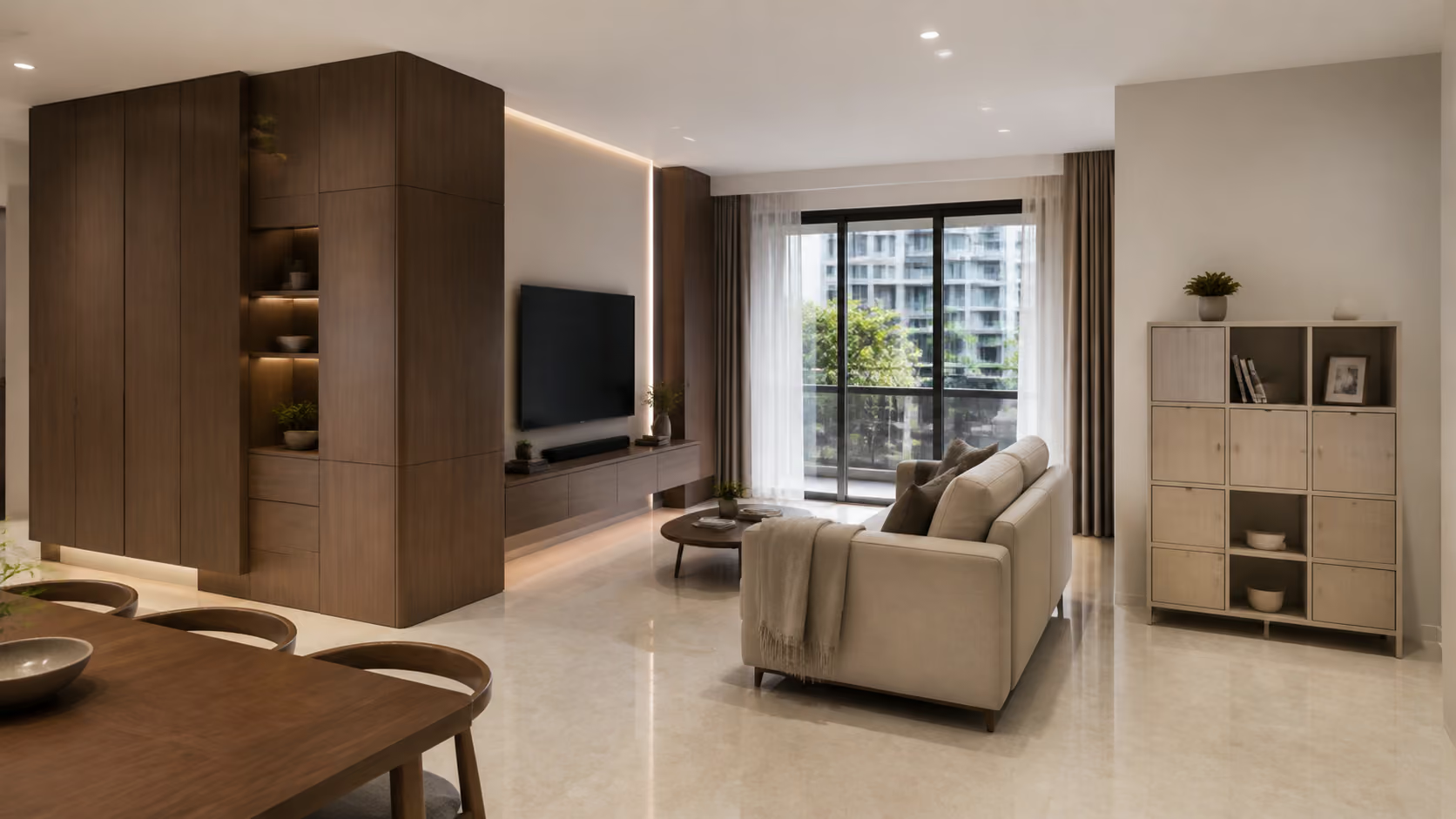
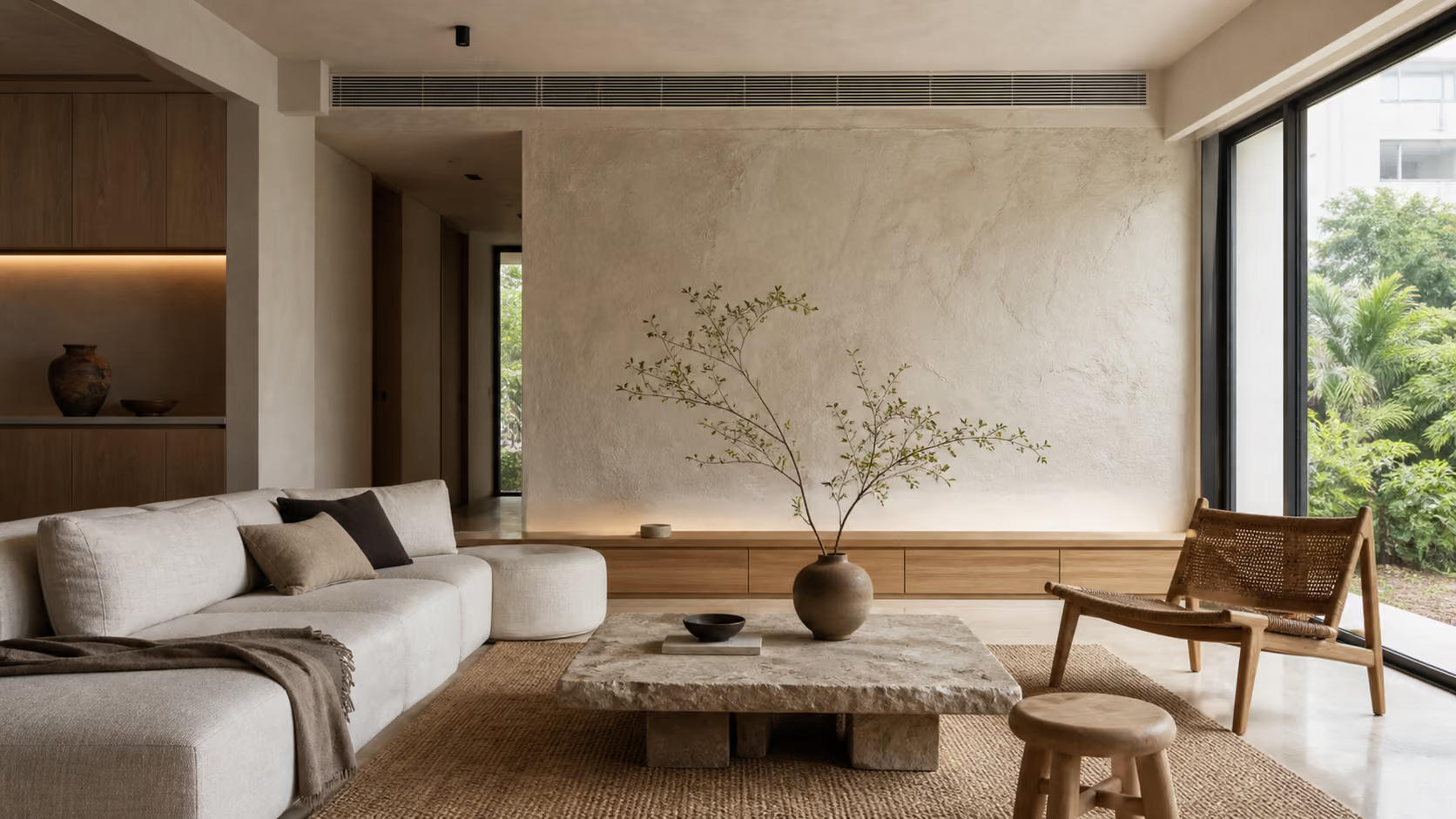
A single bright ceiling fixture flattens a room and works against the calm, textured feel these styles are built on. Ambient lighting instead comes from softer, indirect sources — cove or concealed lighting washing the walls and ceiling, paper or linen pendants that diffuse a gentle glow, or wall-mounted uplighting bounced off the ceiling — creating depth rather than flat, even brightness.
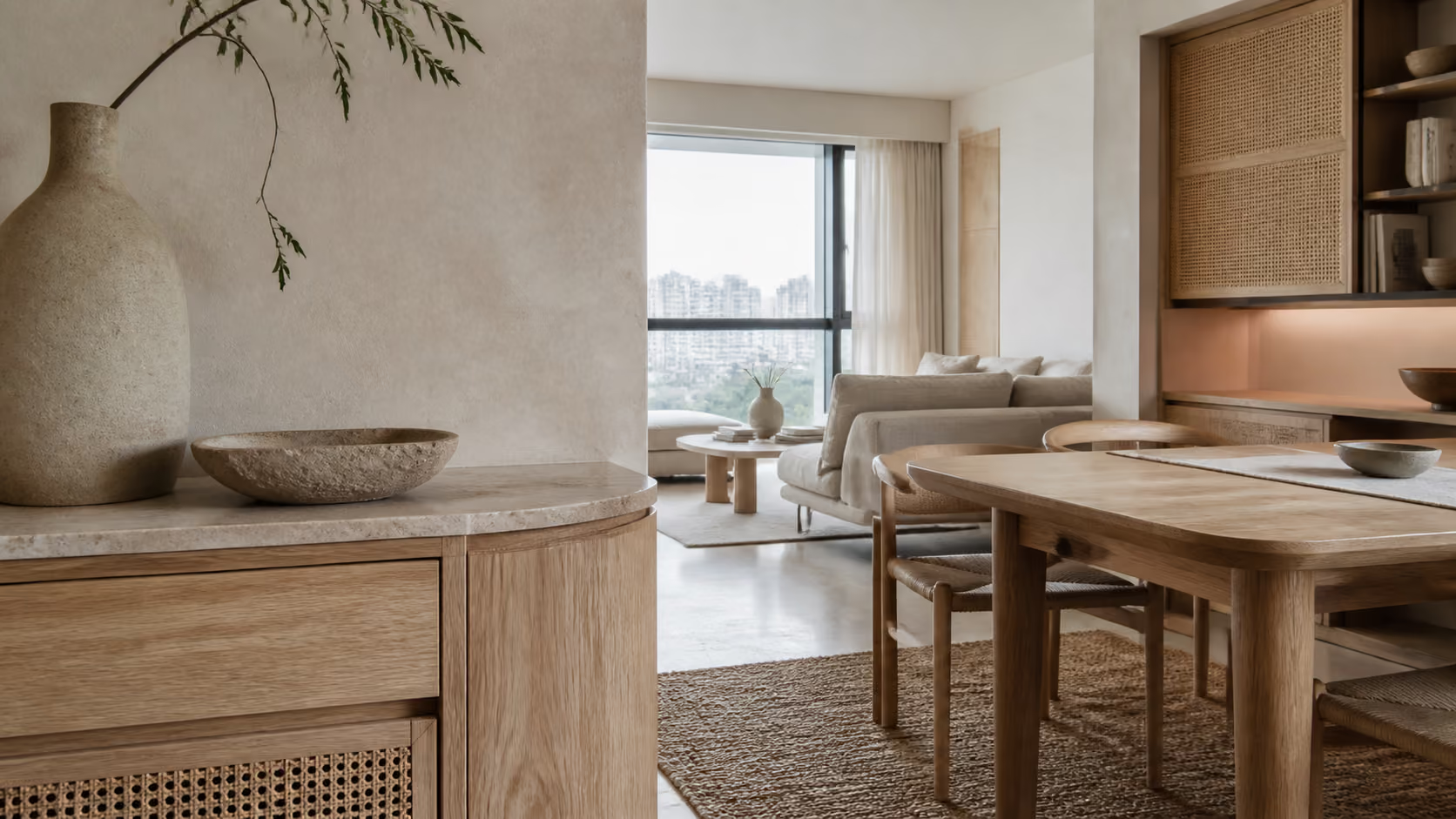
Wabi-Sabi and Japandi interiors have become some of the most sought-after design styles in Singapore homes — and for good reason. Both celebrate calm, imperfection, natural materials and quiet beauty. They offer a welcome antidote to busy city living: a home that feels grounded, serene and effortlessly elegant.
But there's one element that makes or breaks these interiors, and it's often overlooked until the very end of a renovation — lighting.
You can choose the most beautiful timber, the softest linen and the most perfectly imperfect ceramics, but if the lighting is cold, harsh or flat, the entire mood collapses. Lighting is the invisible ingredient that transforms a minimalist room into a warm, living space that feels like a sanctuary.
Wabi-Sabi and Japandi lighting isn't about brightness. It's about atmosphere. It's about the gentle interplay of light and shadow, the warmth of a glow through a paper shade, and the way natural materials come alive as the light shifts through the day.
This guide explains everything you need to know about lighting a Wabi-Sabi or Japandi home — from colour temperature and layering to fixtures, materials and room-by-room advice. If you're drawn to these calm, natural aesthetics, learning to light them well is one of the most valuable design skills you can develop.
At Luxior Concept, we believe lighting is one of the most powerful tools in interior design. Done thoughtfully, it doesn't just illuminate a room — it shapes how the space feels, and how you feel within it.
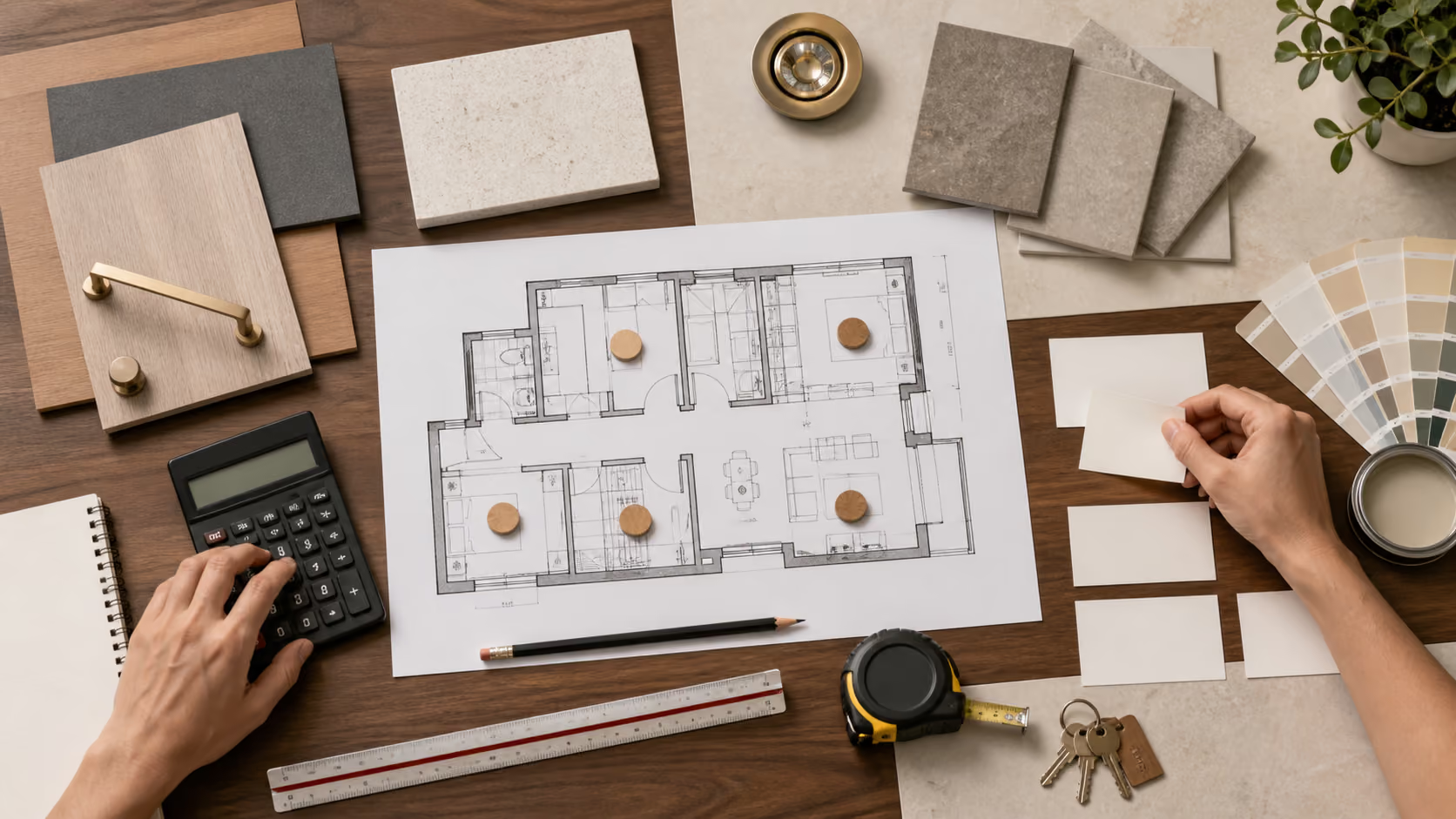
Planning a calm lighting scheme from the start? Use Luxior’s renovation cost calculator, then share your floor plan and lighting priorities on WhatsApp so the plan works with your rooms, materials and daily routines.

Before choosing a single fixture, it helps to understand what these styles are really about — because the lighting philosophy flows directly from the design philosophy.
Wabi-Sabi is a Japanese aesthetic that finds beauty in imperfection, impermanence and naturalness. It embraces weathered textures, handmade objects, muted earthy tones and the quiet passage of time. Nothing is glossy, perfect or mass-produced in feeling.
Japandi is the marriage of Japanese minimalism and Scandinavian functionality. It keeps the warmth, craft and nature-focus of Japanese design, and combines it with the clean lines, light woods and cosy practicality of Scandinavian interiors.
What both styles share is a reverence for nature, texture and calm. And that translates into a clear lighting philosophy:
Once you internalise this philosophy — warmth, softness, shadow and restraint — every lighting decision becomes much clearer.
✅ Expert Tip: Think of lighting a Wabi-Sabi or Japandi home the way you'd think of light in nature — the warm low sun of late afternoon, the soft glow of a lantern, the dappled light beneath a tree. You're recreating those feelings indoors, not replicating the flat brightness of an office.
If there's one technical decision that matters most, it's colour temperature — measured in Kelvin (K). It describes how warm or cool a light appears, and it's the single biggest factor in whether a room feels cosy or clinical.
Here's a simple guide:
For most of a Wabi-Sabi or Japandi home, 2700K is your anchor. It mimics the warmth of natural late-day light and flatters timber, linen, clay and stone beautifully.
Equally important is the colour rendering index (CRI) — a measure of how accurately a light reveals true colours. Look for fixtures and bulbs with CRI 90 or above. In interiors built around natural materials and subtle earthy tones, a high CRI ensures those textures and colours appear rich and true rather than washed out.
✅ Expert Tip: Consistency matters. Mixing warm and cool bulbs in the same room creates a jarring, uneven feel. Keep your colour temperature consistent throughout connected spaces for a seamless, calming result.
Great lighting is never a single ceiling light doing all the work. The most beautiful Wabi-Sabi and Japandi interiors use three layers of light, each with a distinct purpose. Together they create depth, flexibility and atmosphere.
Ambient light is the soft, overall glow that fills a room. In these styles, it should be gentle and diffused — never glaring. Rather than a single bright ceiling fixture, aim for softer, indirect sources.
Good ambient options include:
Task light provides focused illumination for specific activities — cooking, reading, working or grooming. It should be functional but still warm and unobtrusive.
Good task options include:
Accent light is where the magic happens. It highlights texture, craft and the natural materials at the heart of these styles — a timber wall, a ceramic vessel, a piece of art, or the grain of a stone surface.
Good accent options include:
At Luxior Concept, we recommend treating accent lighting as essential rather than optional in these styles. It's what brings out the tactile beauty of natural materials and gives a minimalist room its soul.
In Wabi-Sabi and Japandi interiors, the light fixture is part of the material palette. It should feel handcrafted, natural and understated — an object of quiet beauty even when switched off.
Favour fixtures made from natural, tactile materials:
In terms of form, look for organic, sculptural and simple shapes. A hand-thrown ceramic lamp, a paper globe pendant, a slender timber floor lamp — these feel right. Avoid anything overly ornate, shiny, or aggressively modern.
The colours should stay muted and natural: off-white, oatmeal, clay, charcoal, warm wood tones and soft black. These blend into the material story rather than competing with it.
If you're building your material palette holistically, our guide on the best natural materials for calm Singapore homespairs beautifully with these lighting choices.
No artificial lighting scheme is complete without considering natural light — arguably the most important light source of all in these nature-focused styles.
Wabi-Sabi and Japandi interiors love daylight, but soft, filtered daylight rather than harsh direct sun. The goal is to let light in gently and let it move through the space.
Ways to work with natural light:
In Singapore's bright tropical light, filtering is especially important. Sheer natural fabrics tame harsh midday sun into a soft, diffused glow that suits these interiors perfectly.
✅ Expert Tip: Plan your artificial lighting to complement the natural light, not fight it. During the day, let daylight lead; as evening falls, layer in warm artificial light to maintain the same gentle, natural mood.
Each room has a different function and mood. Here's how to apply Wabi-Sabi and Japandi lighting principles throughout the home.
The right lighting plan follows the way each room is used. Explore our Living Room, Kitchen, Master Bedroom and Bathroom ideas before finalising fixture positions, colour temperature and dimming.
The living room is where atmosphere matters most. Build it from layers: soft ambient glow, a sculptural floor or table lamp for warmth, and accent light to highlight a textured wall or natural feature.
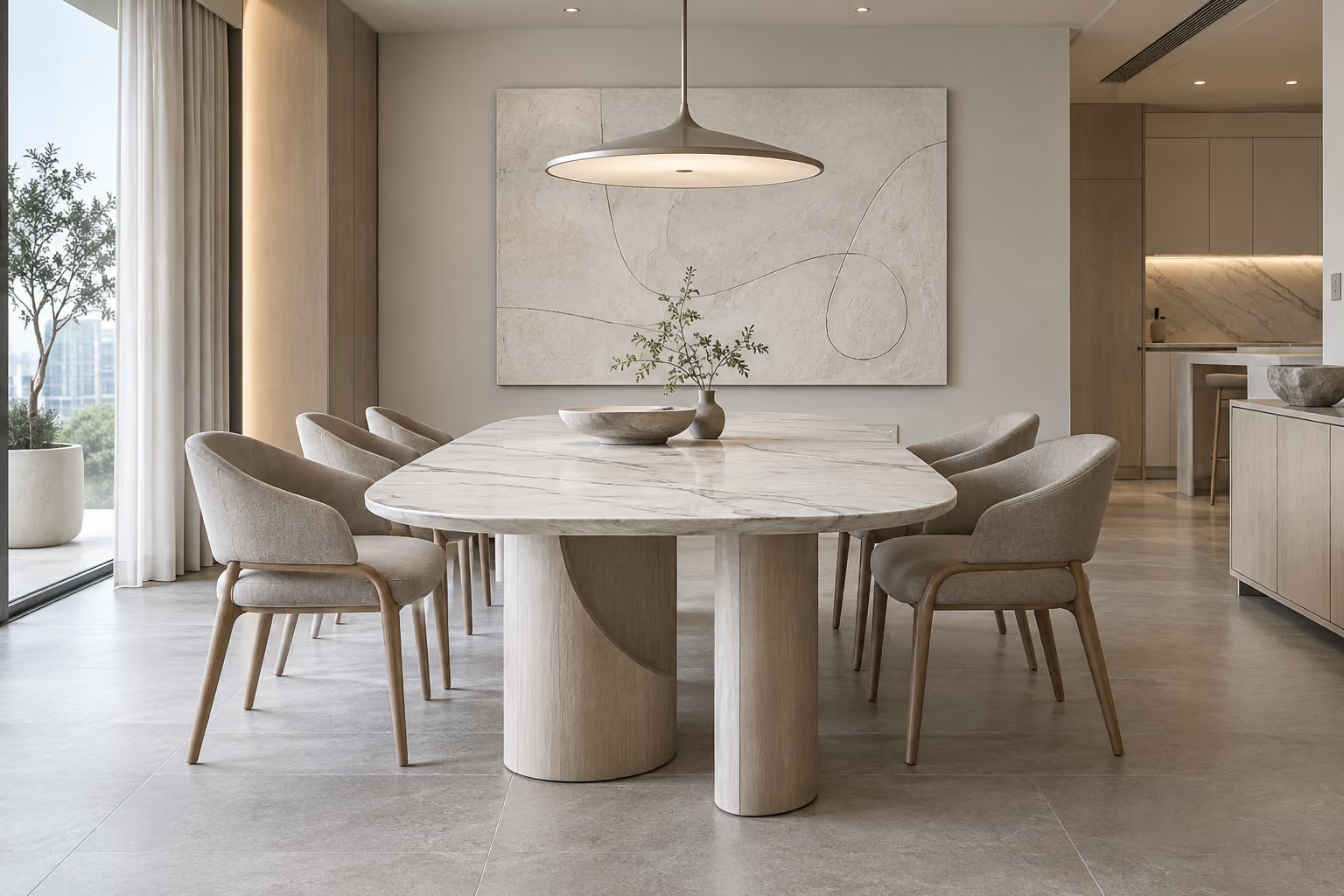
Dining lighting should feel intimate and inviting, drawing people together around the table.
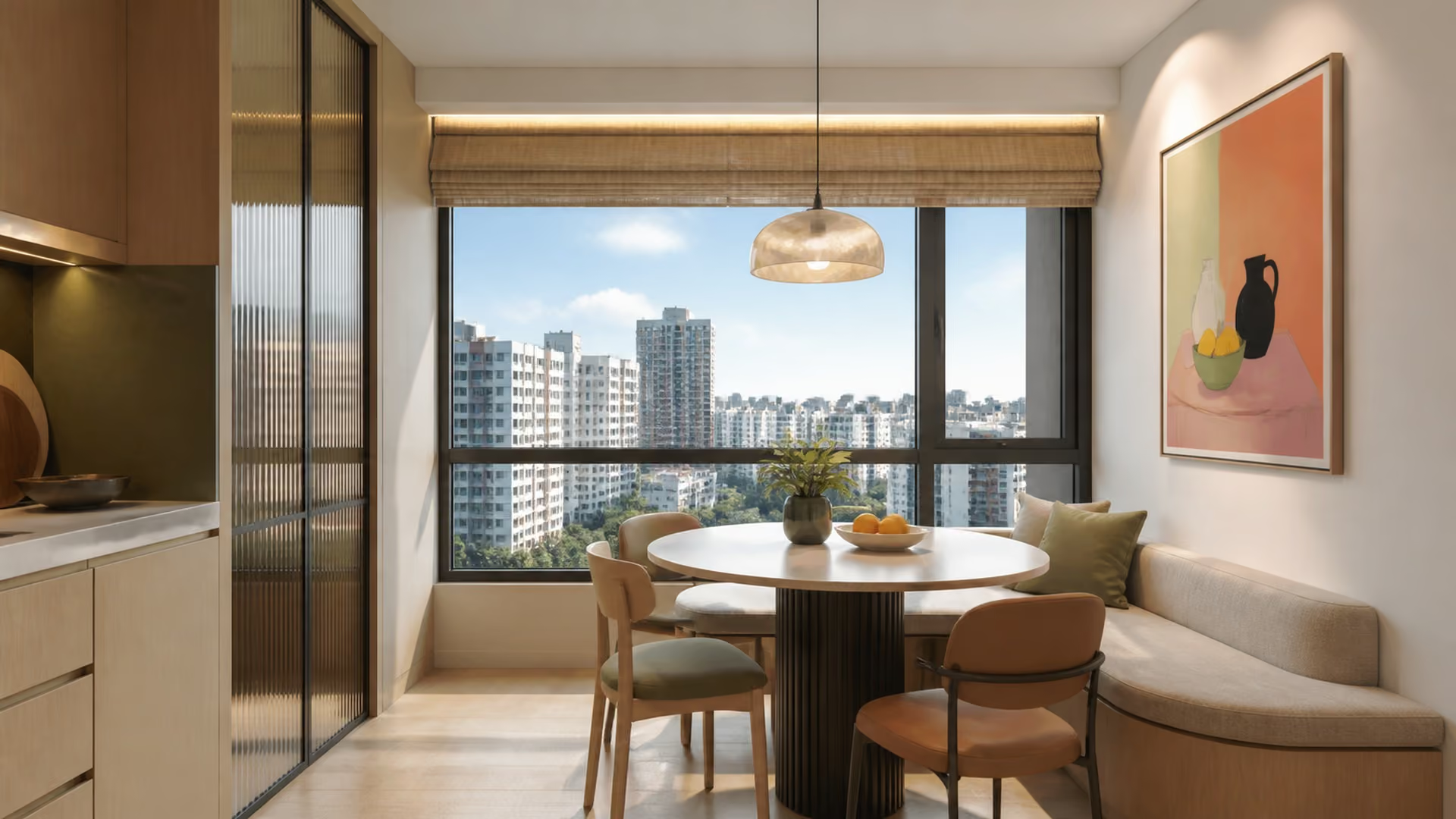
The kitchen needs more functional light, but it can still stay warm and calm.
The bedroom should feel like the calmest, most restful space of all.
Even the bathroom can embrace these principles while remaining practical.
Work areas need clarity, but you can keep them calm and cohesive.
At Luxior Concept, we recommend planning your lighting room by room early in the design process — ideally alongside your electrical layout — so every fixture, switch and dimmer is positioned intentionally rather than added as an afterthought.
Even beautiful interiors can be undone by a few common lighting errors. Steer clear of these.
Using cool white light. Nothing kills the calm of a Wabi-Sabi or Japandi home faster than cold, blue-toned light. Stay warm — 2700K is your friend.
Relying on a single ceiling light. One bright overhead fixture creates flat, unflattering light and harsh shadows. Layer instead.
Over-illuminating. These styles thrive on softness and gentle shadow. Too much light erases the depth and intimacy that make them special.
Forgetting dimmers. Without dimmers, you lose the ability to shift the mood through the day. Dimmers are essential, not optional.
Choosing glossy, ornate fixtures. High-gloss chrome and elaborate designs clash with the natural, understated ethos. Favour matte, handcrafted, simple forms.
Ignoring CRI. Low-CRI bulbs wash out the subtle earthy colours and textures these interiors depend on. Always choose CRI 90+.
Poor electrical planning. Deciding on lighting after wiring is done limits your options and leads to compromises. Plan lighting positions and circuits early.
Over many projects, we've learned that lighting is where calm interiors are truly won or lost. A few principles guide our approach.
At Luxior Concept, we recommend starting with the feeling you want, not the fixtures. Decide how each room should feel — restful, intimate, gently energising — and let that guide your colour temperature, layers and dimming before you shortlist a single lamp.
At Luxior Concept, we recommend investing in dimmers throughout the home. They're inexpensive relative to their impact, and they let a single space transform from bright and functional by day to soft and serene by night.
At Luxior Concept, we recommend choosing fewer, better fixtures. In these styles, one beautiful hand-crafted lamp does more than three ordinary ones. Quality and restraint always outperform quantity.
At Luxior Concept, we recommend treating light and shadow as equal partners. Resist the urge to eliminate every shadow; the gentle interplay of light and dark is precisely what gives Wabi-Sabi and Japandi interiors their depth and soul.
If you're still refining your overall direction, our guides on Wabi-Sabi vs Japandi and how to choose an interior design style will help you build a coherent scheme that your lighting can then bring to life. Thoughtful lighting design is one of the highest-impact investments you can make in a calm, natural home.
Use this checklist to ensure your Wabi-Sabi or Japandi lighting scheme feels warm, layered and calm.
Colour and quality
Layering
Control and flexibility
Fixtures and materials
Natural light
At Luxior Concept, we recommend walking through this checklist during the design stage, well before installation, so every lighting decision is intentional and cohesive.
Lighting is the quiet hero of every Wabi-Sabi and Japandi home. It's what turns beautiful materials and careful minimalism into a space that genuinely feels calm, warm and alive.
The principles are simple: keep light warm, layer it thoughtfully, choose natural and understated fixtures, embrace gentle shadow, and always plan for flexibility with dimmers. Get these right, and even the simplest room takes on a serene, grounded beauty that no amount of furniture or décor could achieve alone.
If you're creating a calm, natural home and want it to feel as beautiful in the evening as it does at midday, treat lighting as a priority from the very start — not an afterthought at the end.
For more inspiration, browse Luxior.com.sg to see how considered lighting brings calm, natural interiors to life across different homes and styles.
Every home is unique, and every lighting scheme should be tailored to your space, materials and the mood you want to create. Whether you're designing a serene Wabi-Sabi retreat or a warm Japandi home, the team at Luxior Concept is here to help you get the light exactly right.
Book a complimentary consultation today and discover how we can help you create a home that's built Beyond Standards.
Book a Free Consultation 👉 or message us directly on WhatsApp.
It's the single biggest factor in whether a room feels cosy or clinical. 2700K is the anchor for most of the home — warm and golden, close to natural late-day light. 3000K suits task areas like kitchens. Anything from 4000K up reads as cold against natural materials like timber and clay, and mixing temperatures in the same room creates a jarring, uneven feel.
A single ceiling light creates flat, harsh shadows and makes every object compete equally for attention. Ambient, task and accent layers each do a different job, general glow, functional light for specific activities, and highlighting texture — and together they create the depth and flexibility a single fixture never can.
Cove or concealed lighting that washes the walls and ceiling gently, paper or linen pendants that diffuse a soft glow, and wall-mounted uplighting that bounces light off the ceiling all work better than one bright overhead fixture. For an initial renovation range before allocating the lighting budget, use Luxior’s renovation cost calculator.



.avif)