style /
Muji
Interior Style Guide
HomeInterior Style Guide
Muji

Muji

Muji interior design is about Japanese-inspired simplicity, natural tones and everyday usefulness. For Singapore homeowners, Luxior Concept translates the look into gentle, organised and familiar spaces that work for HDB flats, condominiums and landed homes.

2023
Founded In Singapore
527+
Projects Completed
4.9/5
Google Rating · 16 Reviews
SG
Climate-Adapted
At A Glance
  • Best suited for: BTO flats, HDB family homes and small condos where storage, routine and calm matter most.
  • Visual mood: gentle, organised and familiar.
  • Signature elements: light wood modules, open-and-closed storage balance and simple furniture.
  • Core palette: cream, beech, light oak, linen beige and soft grey.
  • Singapore priority: storage, ventilation, cleaning and long-term material durability.

01 —

Understand Muji Style

Muji interior design suits Singapore homeowners who want gentle, organised and familiar living spaces. The style is built around light wood modules, open-and-closed storage balance and simple furniture, supported by climate-conscious materials, practical storage and lighting that makes compact rooms feel more composed.

02 — Why

Muji

Why Choose Muji Interior Design?

Choose Muji if you want a home that feels gentle, organised and familiar without losing everyday practicality. In Singapore, the best version of this style is not copied from overseas references; it is adjusted for apartment sizes, service yards, household shelters, west sun, humidity and family routines.

Luxior Concept uses the style as a design language, then adapts it to your floor plan, storage needs and lifestyle so the home feels personal rather than templated.

  • Works especially well for 2-Room Flexi HDB Renovation, 3-Room HDB Renovation and 4-Room HDB Renovation.
  • Creates impact through light wood modules, open-and-closed storage balance and simple furniture.
  • Supports a cleaner renovation brief before materials and carpentry are finalised.
✦ 04 — What we bring

Style is easy. Execution isn't.

Luxior Concept turns inspiration into a complete renovation — space planning, material strategy, bespoke carpentry and project coordination, working as one.

01

Space Planning

Circulation, storage and room hierarchy resolved before any palette — so the style is structural, not surface.

02

Material Strategy

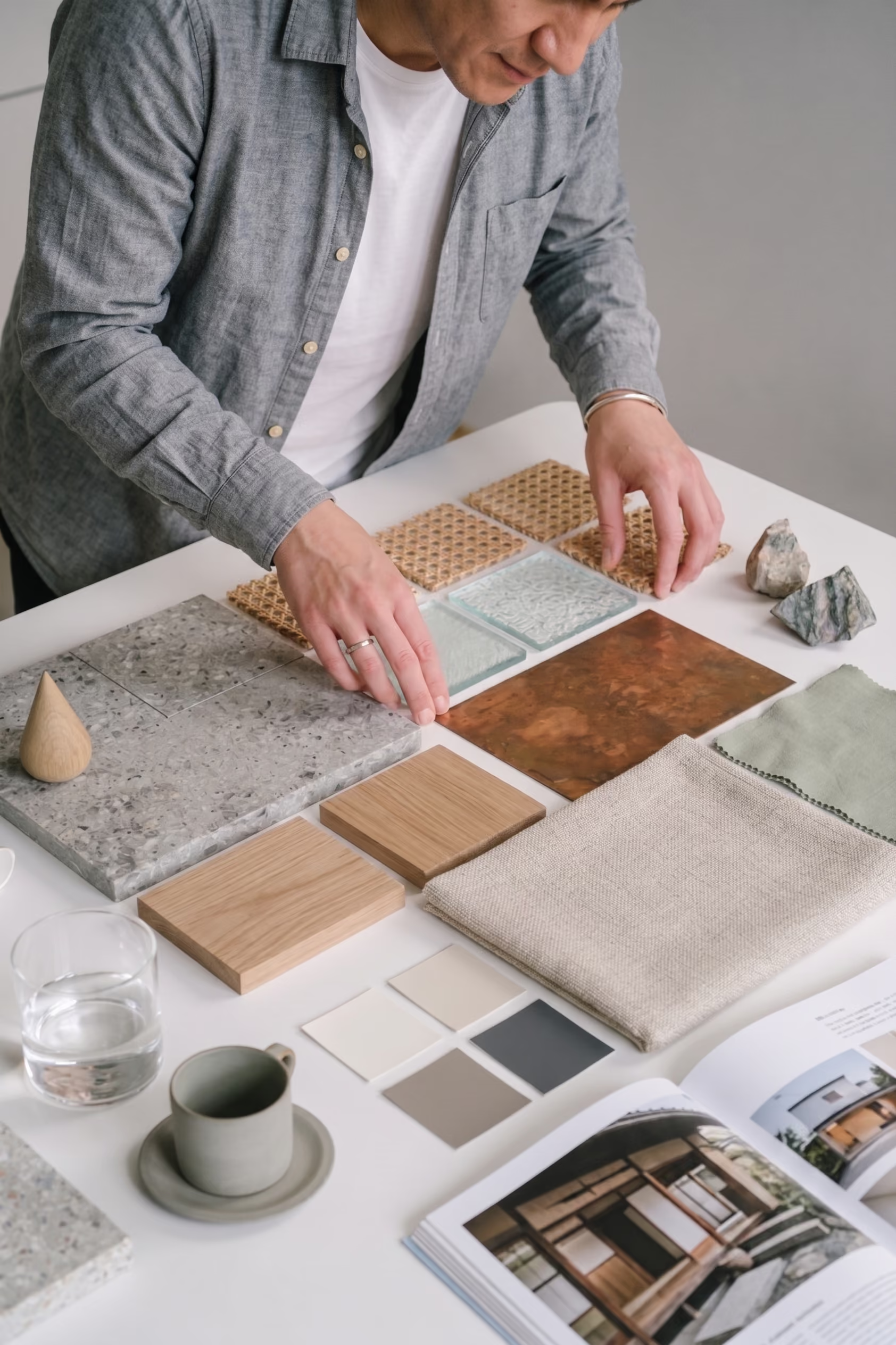
Oak veneer, limewash-look paint, linen and rattan — selected for Singapore humidity, cleaning and budget.

03

Structural work

Low-profile, full-height and concealed storage built to hide daily clutter and hold the calm.

04

Project Coordination

Lighting, carpentry, tiling and trades sequenced so the finished home matches the drawing.

Live estimate · No sign-up needed

Ready to see your number?

Baseline estimates in minutes — no guesswork, no obligation, and yours to keep.

14 — Designer tips

Core Design Principles for

Muji

  • Build the layout around how the household enters, cooks, rests, works and hosts.
  • Use light wood modules as a design anchor, not as decoration only.
  • Keep the palette disciplined: cream, beech, light oak, linen beige and soft grey.
  • Balance open areas with hidden storage so the home photographs well and functions well.
  • Use lighting layers to add depth without overcrowding the ceiling.
14 — Designer tips

Materials Overview for

Muji

Materials should express the style without becoming difficult to maintain. For Muji, Luxior typically studies plywood-look laminate, cotton-linen fabric, ceramic tiles and acrylic panels and then selects versions that suit Singapore humidity, cleaning habits and renovation budgets.

  • Primary surfaces: plywood-look laminate and cotton-linen fabric.
  • Texture and contrast: ceramic tiles and acrylic panels.
  • Accent opportunities: matte white surfaces.
Muji
By luxior concept
06 — Materials

Materials Overview

Materials should express the style without becoming difficult to maintain. For Muji, Luxior typically studies plywood-look laminate, cotton-linen fabric, ceramic tiles and acrylic panels and then selects versions that suit Singapore humidity, cleaning habits and renovation budgets.

  • Primary surfaces: plywood-look laminate and cotton-linen fabric.
  • Texture and contrast: ceramic tiles and acrylic panels.
  • Accent opportunities: matte white surfaces.
The designer's view

Luxior turns the Muji mood into a complete home system: entry organisation, wardrobe planning, study storage and calm lighting.

Our designers begin with circulation, storage and room hierarchy before refining the muji palette. This prevents the style from becoming a surface treatment and helps the renovation feel coherent from the foyer to the master bedroom.

01 / LAYOUTS BY UNIT SIZE

Every resale flat is a different puzzle. We've solved most of them.

Singapore climate
LUXIOR INTERIOR EXCLUSIVE

Built for heat, humidity and daily use.

Keep fabric and timber-look surfaces washable and well-ventilated, especially in bedrooms and compact study corners.

For HDB and condo homes, material selection should also consider air-conditioning use, service yard moisture, bathroom ventilation and the cleaning routine of the household.

WhatsApp About This →
Budget Guide
LUXIOR INTERIOR EXCLUSIVE

What it costs, and what drives it.

Generally moderate, with higher spend on custom storage if the home needs a fully integrated look.

Before committing to finishes, prioritise the items that change daily comfort: space planning, carpentry storage, lighting, kitchen workflow and bathroom durability. Decorative upgrades should come after these essentials are clear.

WhatsApp About This →
Renovation Advice
LUXIOR INTERIOR EXCLUSIVE

Plan for Singapore Weather

When renovating in Singapore, Muji should be planned together with approvals, site constraints and construction sequencing. HDB flats, condominiums and landed homes each come with different limits, so the design must be beautiful and buildable.

Confirm wet works, hacking, electrical points, air-conditioning routes, appliance dimensions and custom carpentry measurements before final material orders are placed.

WhatsApp About This →
✦ Free Download

Get the

Muji

Blueprint

Our 2026 design guide for Singapore homeowners planning their next renovation — budgets, permits, materials and timelines, honestly explained.

Thank you! Your submission has been received!
Oops! Something went wrong while submitting the form.

By submitting, you agree to receive design insights and renovation updates from us. Unsubscribe anytime.

Luxior Concept
The Space Blueprint

2026 Edition · 24 pages

PDF · Free for homeowners
About Singapore Renovations

Frequently Asked Questions

Clear answers to common questions about interior design, renovation costs, space planning, materials and maintenance for HDB, BTO, condominium and landed homes in Singapore.

What is Muji interior design?
Muji interior design brings Japanese-inspired simplicity, natural tones and everyday usefulness into Singapore homes through practical planning, refined material choices and storage that supports daily life. In practice, a successful Muji interior design scheme is defined by a consistent relationship between layout, colour, materials, lighting and storage—not by adding decorative items alone. Luxior Concept adapts the style to the homeowner’s routines and the proportions of the actual property.
Is Muji interior design suitable for HDB, BTO and condo homes in Singapore?
Muji can be adapted across 2-Room Flexi HDB Renovation, 3-Room HDB Renovation, 4-Room HDB Renovation, BTO Renovation and Small Condominium Renovation. The key is not to force the same look into every property type, but to adjust scale, storage and detailing for the home you actually own. For BTO and HDB flats, keep storage efficient and avoid bulky details that reduce usable floor area. Before finalising the layout, check HDB renovation requirements or condominium management rules, structural limitations, service locations and furniture clearances. This keeps the Muji concept buildable and comfortable rather than purely visual.
How much does a Muji renovation cost in Singapore?
Generally moderate, with higher spend on custom storage if the home needs a fully integrated look. Before committing to finishes, prioritise the items that change daily comfort: space planning, carpentry storage, lighting, kitchen workflow and bathroom durability. Decorative upgrades should come after these essentials are clear. The final Singapore renovation quotation will depend on property size, existing condition, hacking, carpentry quantity, electrical and plumbing work, material grade and site restrictions. A floor plan and itemised scope are needed for an accurate comparison; style alone does not determine the total cost.
What colours and materials work best for a Muji home in Singapore?
The recommended Muji palette for Singapore homes is cream, beech, light oak, linen beige and soft grey. This combination keeps the look recognisable while allowing each room to feel calm under tropical daylight and artificial evening lighting. Use cream or beech as the base colour. Materials should express the style without becoming difficult to maintain. For Muji, Luxior typically studies plywood-look laminate, cotton-linen fabric, ceramic tiles and acrylic panels and then selects versions that suit Singapore humidity, cleaning habits and renovation budgets. View physical samples in the home’s daylight and evening lighting before approval, because colour temperature and tropical sunlight can change how undertones, texture and sheen appear.
How do you maintain a Muji interior in Singapore’s humid climate?
Keep fabric and timber-look surfaces washable and well-ventilated, especially in bedrooms and compact study corners. For HDB and condo homes, material selection should also consider air-conditioning use, service yard moisture, bathroom ventilation and the cleaning routine of the household. Buying loose furniture without a full storage plan can make Muji interiors look temporary. Choosing finishes from a mood board before confirming storage needs and site measurements. Prioritise ventilation, wipeable finishes, sealed edges, corrosion-resistant hardware and access for cleaning. Luxior Concept specifies materials according to where they will be used, because a finish suitable for an air-conditioned bedroom may not perform the same way in a kitchen, bathroom, balcony or service yard.